Drying is one of the oldest and most widely used industrial processes. It involves removing liquid—usually water—from solids, liquids, or gases. In industrial settings, drying must be controlled carefully to ensure that products maintain their desired properties. For example: In the food industry, drying extends shelf life In pharmaceuticals, it ensures product stability In chemical processing, it prepares materials for storage or transport Industrial drying systems are designed to handle large volumes while maintaining consistent quality. The efficiency of these systems directly impacts energy use, production speed, and final product characteristics.
Benefits of Industrial Drying
1. Extended Product Shelf Life
Removing moisture helps prevent microbial growth and spoilage, especially in food and agricultural products.
2. Improved Product Quality
Controlled drying ensures uniform texture, structure, and chemical composition.
3. Reduced Transportation Costs
Dry materials weigh less, making them easier and more cost-effective to transport.
4. Enhanced Process Efficiency
Dry materials are often easier to handle and process in later stages.
5. Increased Storage Stability
Lower moisture levels reduce the risk of degradation during storage.
6. Versatility Across Industries
Industrial drying is used in food processing, chemicals, pharmaceuticals, mining, and more.
Limitations of Industrial Drying
1. High Energy Consumption
Drying processes often require significant heat or airflow, leading to high energy costs.
2. Equipment Costs
Industrial dryers can involve substantial initial investment.
3. Risk of Over-Drying
Excessive drying can damage product quality or structure.
4. Process Complexity
Different materials require specific drying conditions, making system design complex.
5. Maintenance Requirements
Drying equipment must be regularly maintained to ensure efficiency and safety.
Types and Categories of Industrial Drying Systems
Industrial drying systems vary depending on the material, process, and desired outcome.
1. Convective Dryers
Use hot air to remove moisture from materials. Common in food and agricultural industries.
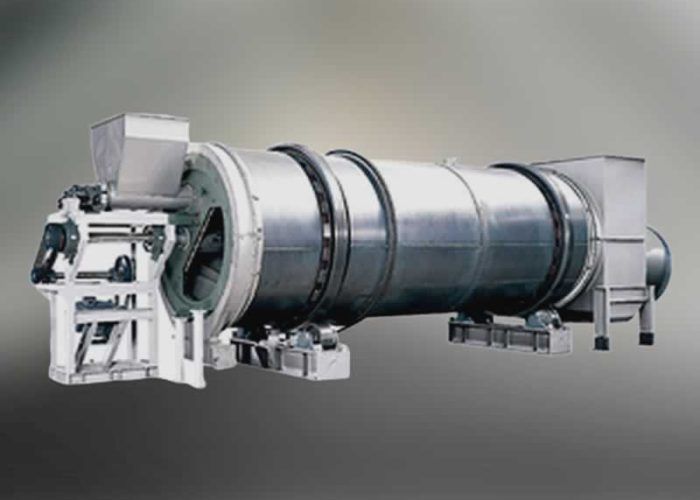
2. Rotary Dryers
Use rotating drums to dry bulk materials such as minerals or grains.
3. Spray Dryers
Convert liquid into powder by spraying it into hot air. Widely used in food and pharmaceuticals.
4. Fluidized Bed Dryers
Use airflow to suspend particles, ensuring even drying.
5. Vacuum Dryers
Operate under reduced pressure, allowing drying at lower temperatures.
6. Freeze Dryers (Lyophilization)
Remove moisture by freezing and sublimation, preserving sensitive materials.
7. Infrared and Microwave Dryers
Use electromagnetic energy for rapid and targeted drying.
Comparison Table: Common Industrial Drying Methods
| Drying Type | Heat Source | Best For | Key Advantage |
|---|---|---|---|
| Convective | Hot air | Food, grains | Simple and widely used |
| Rotary | Direct/indirect heat | Bulk materials | High capacity |
| Spray | Hot air | Liquids | Produces fine powders |
| Fluidized Bed | Airflow | Granules | Uniform drying |
| Vacuum | Low pressure | Heat-sensitive materials | Lower temperature drying |
| Freeze Drying | Sublimation | Pharmaceuticals | Preserves structure |
| Infrared/Microwave | Radiation | Specialized uses | Fast drying |
Latest Trends and Innovations in Industrial Drying
1. Energy-Efficient Systems
New dryer designs focus on reducing energy consumption through heat recovery and improved airflow.
2. Automation and Process Control
Advanced control systems allow precise monitoring of temperature, humidity, and drying time.
3. Hybrid Drying Technologies
Combining methods such as microwave and convective drying improves efficiency.
4. Sustainable Practices
Industries are adopting eco-friendly drying solutions to reduce environmental impact.
5. Digital Monitoring and IoT
Sensors and connected systems enable real-time performance tracking.
6. Improved Material Handling
Innovations in feeding and discharge systems improve consistency and reduce downtime.
Key Features to Consider When Evaluating Industrial Drying Systems
1. Material Type
Different materials require specific drying methods.
2. Moisture Content Requirements
Define the desired final moisture level.
3. Production Capacity
Ensure the system can handle required throughput.
4. Energy Efficiency
Evaluate power consumption and heat recovery options.
5. Temperature Control
Precise control prevents damage to sensitive materials.
6. Footprint and Space
Consider available installation space.
7. Automation Level
Advanced systems improve consistency and reduce manual intervention.
8. Maintenance Accessibility
Easy access to components simplifies servicing.
Leading Industrial Drying Companies and Solutions
The following companies are recognized for industrial drying technologies:
| Company | Known For | Public Website |
|---|---|---|
| GEA Group | Food and pharma drying systems | https://www.gea.com |
| Bühler Group | Grain and food processing | https://www.buhlergroup.com |
| Andritz | Industrial drying solutions | https://www.andritz.com |
| Carrier Vibrating Equipment | Fluidized bed dryers | https://www.carriervibrating.com |
| FEECO International | Rotary dryers | https://www.feeco.com |
These companies provide technical resources, system designs, and application-specific solutions.
How to Choose the Right Industrial Drying System
Step 1: Define Process Requirements
Identify material properties, moisture levels, and production goals.
Step 2: Analyze Material Sensitivity
Determine whether the material is heat-sensitive or requires special handling.
Step 3: Calculate Capacity Needs
Ensure the system can handle expected production volumes.
Step 4: Evaluate Energy Costs
Consider long-term operating expenses.
Step 5: Compare Technologies
Choose a drying method that matches your application.
Step 6: Assess Space and Infrastructure
Check installation space and utility requirements.
Step 7: Consult Experts
Work with engineers or suppliers for system design and optimization.
Industrial Drying Selection Checklist
- Material characteristics identified
- Target moisture level defined
- Production capacity calculated
- Energy efficiency evaluated
- Drying method selected
- Space requirements checked
- Automation needs assessed
- Maintenance requirements reviewed
- Safety standards considered
- Supplier options compared
Tips for Best Use and Maintenance
- Monitor temperature and airflow regularly
- Clean equipment to prevent buildup or contamination
- Inspect components such as fans and heaters
- Calibrate sensors and control systems
- Avoid overloading the dryer
- Train operators on proper usage
- Schedule routine maintenance checks
Frequently Asked Questions About Industrial Drying
1. What is the most common industrial drying method?
Convective drying using hot air is widely used across industries.
2. How can energy costs be reduced?
Using heat recovery systems and efficient designs can lower energy consumption.
3. Can one dryer handle different materials?
Some systems are flexible, but many are optimized for specific materials.
4. What factors affect drying time?
Temperature, airflow, material thickness, and moisture content all influence drying time.
5. Is industrial drying environmentally friendly?
Modern systems aim to reduce emissions and energy use.
6. How often should dryers be serviced?
Regular maintenance schedules depend on usage and manufacturer recommendations.
7. What industries use industrial drying the most?
Food processing, pharmaceuticals, chemicals, and mining are major users.
Conclusion: A Practical Takeaway
Industrial drying is a fundamental process that supports product quality, safety, and efficiency across many industries. By removing moisture effectively, drying systems help ensure stability, reduce costs, and prepare materials for further use.
Choosing the right drying system requires careful consideration of material properties, production needs, and energy efficiency. With advancements in technology, modern drying systems offer improved control, sustainability, and performance.
When properly selected, installed, and maintained, industrial drying equipment becomes a reliable part of production processes, contributing to consistent results and long-term operational success.