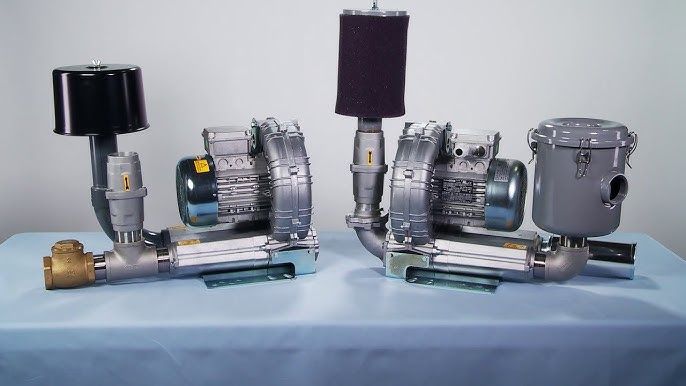
Blowers are designed to move air or gas at moderate pressure levels. They differ from fans, which move air at low pressure, and compressors, which operate at higher pressure. Because blowers are used in systems that require controlled airflow, proper installation directly affects their efficiency and performance. In homes, blowers are commonly part of heating, ventilation, and air conditioning systems. In commercial and industrial settings, they are used in applications such as dust collection, pneumatic conveying, aeration systems, and cooling processes. Correct installation ensures that the blower operates within its designed parameters. This includes proper alignment, airflow direction, mounting, and electrical connections. When installed correctly, blowers can provide consistent airflow, reduce energy consumption, and minimize wear and tear.
Benefits of Proper Blower Installation
1. Efficient Airflow Performance
Correct installation allows the blower to deliver the intended airflow and pressure levels.
2. Energy Efficiency
Proper alignment and system integration reduce energy loss and improve overall efficiency.
3. Reduced Noise and Vibration
Well-installed blowers operate more quietly and with less mechanical stress.
4. Longer Equipment Lifespan
Proper setup reduces wear on components, extending the life of the system.
5. Improved System Reliability
A correctly installed blower is less likely to experience unexpected breakdowns.
6. Safety and Compliance
Proper installation helps meet safety standards and reduces operational risks.
Limitations and Challenges of Blower Installation
1. Installation Complexity
Industrial blower systems may require technical expertise and specialized tools.
2. Initial Setup Costs
Professional installation and system components can increase initial expenses.
3. Space Requirements
Blowers and associated ductwork require adequate installation space.
4. Noise Management
Some blowers produce noise that may require additional soundproofing measures.
5. Maintenance Needs
Even with proper installation, blowers require regular inspection and servicing.
Types and Categories of Blowers
Understanding blower types helps determine the correct installation approach.
1. Centrifugal Blowers
These use rotating impellers to increase air velocity and pressure. Common in HVAC and industrial systems.
2. Positive Displacement Blowers
These move a fixed volume of air with each rotation. Often used in wastewater treatment and pneumatic systems.
3. Axial Blowers
These move air parallel to the shaft and are typically used in ventilation systems.
4. Regenerative (Side Channel) Blowers
Used for applications requiring continuous airflow at moderate pressure.
5. Roots Blowers
A type of positive displacement blower commonly used in industrial processes.
6. Portable or Small Blowers
Used in residential or light commercial applications.
Comparison Table: Common Blower Types
| Blower Type | Airflow Direction | Pressure Range | Typical Applications |
|---|---|---|---|
| Centrifugal | Radial | Medium to high | HVAC, industrial systems |
| Positive Displacement | Fixed volume | High | Wastewater, pneumatic transport |
| Axial | Parallel | Low to medium | Ventilation systems |
| Regenerative | Circular flow | Medium | Air supply, vacuum systems |
| Roots Blower | Fixed volume | Medium to high | Industrial processing |
Latest Trends and Innovations in Blower Installation
1. Energy-Efficient Motors
Modern blowers use high-efficiency motors that reduce energy consumption.
2. Variable Frequency Drives (VFDs)
VFDs allow precise control of blower speed, improving efficiency and adaptability.
3. Smart Monitoring Systems
Sensors and digital controls monitor performance, airflow, and maintenance needs.
4. Noise Reduction Technologies
Improved casing designs and silencers help reduce operational noise.
5. Compact and Modular Designs
New blower systems are designed to fit into smaller spaces and allow easier installation.
6. Integration with Building Automation Systems
Blowers can now connect with centralized control systems for optimized performance.
Key Features to Consider When Evaluating a Blower System
1. Airflow Capacity
Measured in cubic meters per hour (CMH) or cubic feet per minute (CFM), airflow must match system requirements.
2. Pressure Requirements
Ensure the blower can provide sufficient pressure for the application.
3. Motor Power
Motor size affects performance and energy consumption.
4. Noise Levels
Consider noise output, especially in residential or office environments.
5. Installation Space
Evaluate available space for mounting and duct connections.
6. Energy Efficiency
Efficient systems reduce operating costs over time.
7. Material and Build Quality
Durable materials improve reliability in harsh environments.
8. Maintenance Accessibility
Easy access to components simplifies servicing.
Well-Known Blower Manufacturers and Solutions
The following companies are recognized globally for blower systems and air movement solutions:
| Company | Known For | Public Website |
|---|---|---|
| Atlas Copco | Industrial blowers and compressors | https://www.atlascopco.com |
| Gardner Denver | Air movement and vacuum systems | https://www.gardnerdenver.com |
| Howden | Large-scale industrial blowers | https://www.howden.com |
| Kaeser | Energy-efficient blower systems | https://www.kaeser.com |
| Greenheck | HVAC and ventilation blowers | https://www.greenheck.com |
These companies provide technical documentation and system specifications for different applications.
How to Choose the Right Blower and Installation Setup
Step 1: Identify Application Requirements
Determine whether the blower will be used for ventilation, industrial processing, or HVAC.
Step 2: Calculate Airflow and Pressure Needs
Accurate calculations ensure the blower meets system demands.
Step 3: Assess Installation Environment
Consider temperature, humidity, and available space.
Step 4: Select Appropriate Blower Type
Choose a type suited to the application and operating conditions.
Step 5: Plan Ductwork and Layout
Efficient duct design improves airflow and reduces energy loss.
Step 6: Evaluate Energy Efficiency
Choose systems that minimize long-term operating costs.
Step 7: Confirm Compliance and Safety
Ensure installation meets relevant standards and regulations.
Blower Installation Checklist
-
Application requirements defined
-
Airflow and pressure calculated
-
Blower type selected
-
Installation space prepared
-
Electrical connections planned
-
Ductwork layout designed
-
Noise control measures considered
-
Safety standards reviewed
-
Maintenance access ensured
-
Professional installation support arranged if needed
Tips for Proper Installation and Maintenance
-
Install the blower on a stable and level surface
-
Ensure proper alignment with connected components
-
Use vibration isolators to reduce noise and wear
-
Follow manufacturer guidelines for electrical connections
-
Inspect filters and ducts regularly
-
Lubricate moving parts as recommended
-
Monitor performance and address issues early
Frequently Asked Questions About Blower Installation
1. Can a blower be installed without professional help?
Small residential units may be installed by experienced users, but industrial systems usually require professional installation.
2. What causes noise in blower systems?
Noise may result from improper mounting, airflow restrictions, or worn components.
3. How often should blowers be serviced?
Regular inspections are recommended, with maintenance schedules based on usage.
4. What is the difference between a blower and a fan?
Blowers provide higher pressure airflow compared to standard fans.
5. Can blower performance be adjusted?
Yes, systems with variable speed controls allow adjustment of airflow.
6. What safety precautions are important?
Proper grounding, ventilation, and protective guards are essential.
7. How long do blowers typically last?
With proper maintenance, blowers can operate reliably for many years.
Conclusion: A Practical Takeaway
Blower installation is a critical step in ensuring efficient airflow and reliable system performance across residential, commercial, and industrial applications. By understanding the different types of blowers, key features, and installation requirements, users can select systems that match their specific needs.
Proper installation not only improves efficiency and reduces operating costs but also extends equipment lifespan and enhances safety. Regular maintenance and monitoring further support long-term performance.
Whether used in a home ventilation system or a large industrial facility, a well-installed blower can play a vital role in maintaining effective airflow and supporting overall system functionality.