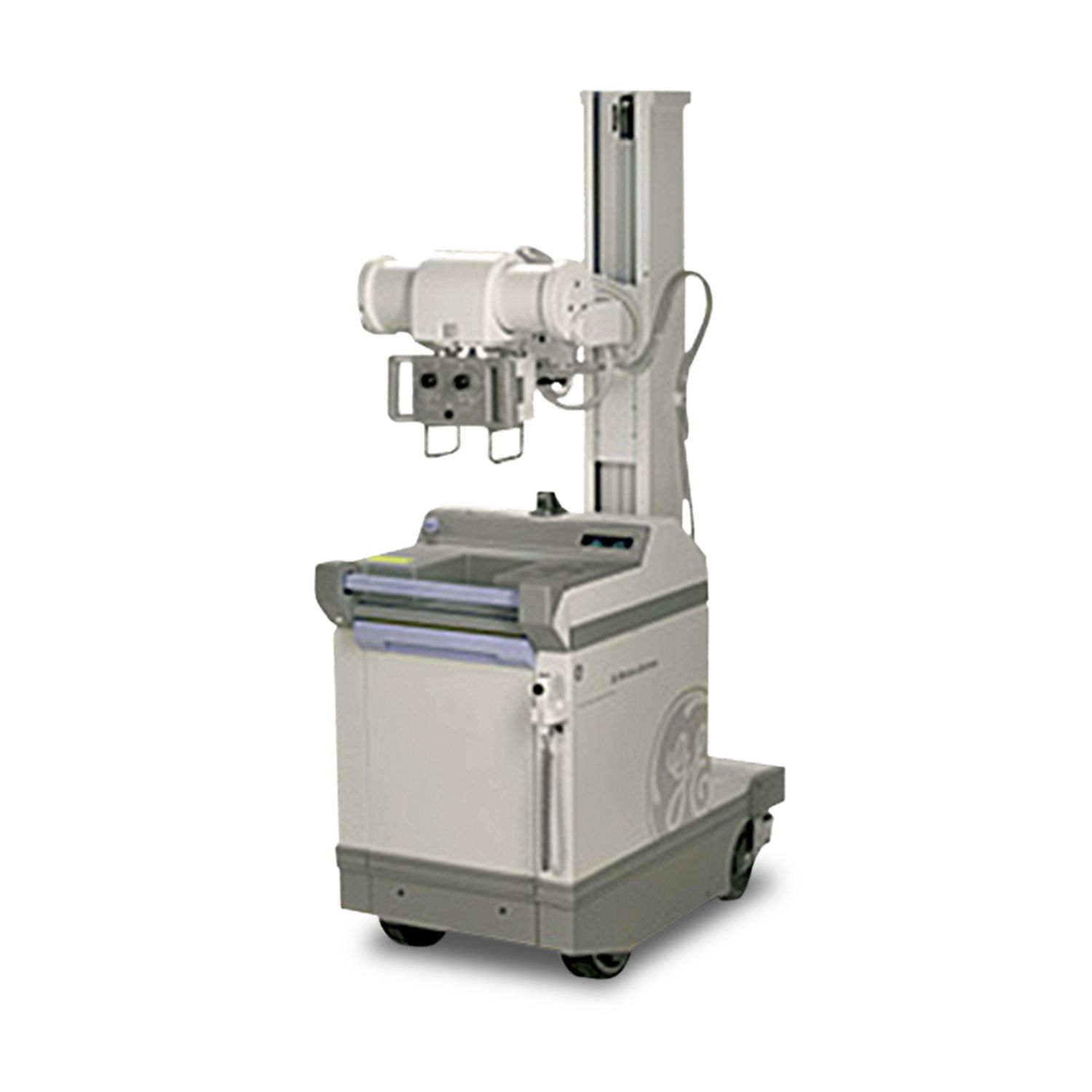
Healthcare equipment supports nearly every aspect of medical care. Doctors rely on diagnostic tools to identify conditions, while treatment devices help manage or cure illnesses. Monitoring equipment tracks patient health in real time, enabling timely interventions. Advancements in technology have expanded the capabilities of healthcare equipment. Modern devices are more accurate, portable, and user-friendly than earlier models. This has improved access to care and allowed more patients to receive treatment outside traditional hospital settings. Whether used by professionals or individuals at home, healthcare equipment contributes to better health outcomes and improved quality of life.
Benefits of Healthcare Equipment
1. Improved Diagnosis
Advanced diagnostic tools help detect diseases early and accurately.
2. Enhanced Treatment Options
Medical equipment supports a wide range of treatments, from medication delivery to surgical procedures.
3. Continuous Monitoring
Devices such as heart monitors and glucose meters allow ongoing tracking of health conditions.
4. Increased Accessibility
Portable equipment enables care in homes, remote areas, and smaller clinics.
5. Better Patient Outcomes
Timely diagnosis and treatment supported by equipment can improve recovery rates.
6. Efficiency in Healthcare Delivery
Automation and digital systems reduce manual work and improve workflow in medical settings.
Limitations of Healthcare Equipment
1. High Costs
Advanced medical equipment can be expensive to purchase and maintain.
2. Training Requirements
Proper use often requires specialized training for healthcare professionals.
3. Maintenance Needs
Regular servicing and calibration are necessary to ensure accuracy.
4. Technology Dependence
Healthcare systems rely heavily on equipment, which may cause disruptions if devices fail.
5. Accessibility Challenges
Some regions may have limited access to advanced medical technology.
Types and Categories of Healthcare Equipment
Healthcare equipment can be grouped into several major categories.
1. Diagnostic Equipment
Used to identify medical conditions. Examples include imaging machines, blood testing devices, and vital sign monitors.
2. Therapeutic Equipment
Devices used in treatment, such as infusion pumps, ventilators, and dialysis machines.
3. Monitoring Equipment
Tracks patient health over time. Common examples include ECG monitors and pulse oximeters.
4. Surgical Equipment
Tools and machines used during medical procedures.
5. Home Healthcare Equipment
Devices designed for personal use, such as blood pressure monitors and mobility aids.
6. Laboratory Equipment
Used in medical testing and research laboratories.
7. Rehabilitation Equipment
Supports recovery after injury or illness, including physiotherapy devices.
Comparison Table: Common Healthcare Equipment Categories
| Category | Purpose | Typical Use | Examples |
|---|---|---|---|
| Diagnostic | Identify conditions | Hospitals, clinics | X-ray, ultrasound |
| Therapeutic | Provide treatment | Hospitals, home care | Ventilators, pumps |
| Monitoring | Track health status | ICU, home care | ECG, pulse oximeter |
| Surgical | Assist procedures | Operating rooms | Surgical tools |
| Home Healthcare | Daily health management | Homes | BP monitor |
| Laboratory | Testing and analysis | Labs | Blood analyzers |
| Rehabilitation | Recovery support | Clinics | Therapy equipment |
Latest Trends and Innovations in Healthcare Equipment
1. Digital Health Technology
Integration of digital platforms allows data collection, storage, and analysis.
2. Portable and Wearable Devices
Wearable monitors track health metrics continuously and support remote care.
3. Artificial Intelligence Integration
AI assists in diagnostics, image analysis, and decision-making.
4. Telemedicine Support
Equipment designed for remote consultations is becoming more common.
5. Minimally Invasive Technologies
New tools enable procedures with reduced recovery time.
6. Smart Monitoring Systems
Connected devices allow real-time tracking and alerts.
Key Features to Consider When Evaluating Healthcare Equipment
1. Accuracy and Reliability
Devices must provide consistent and precise results.
2. Ease of Use
User-friendly interfaces are important, especially for home use.
3. Safety Standards
Equipment should meet regulatory and safety requirements.
4. Maintenance Requirements
Regular servicing should be manageable and accessible.
5. Portability
Compact and lightweight devices are easier to use in different settings.
6. Compatibility
Integration with other systems or devices improves efficiency.
7. Cost and Value
Consider both initial cost and long-term operating expenses.
8. Support and Warranty
Reliable customer support ensures continued usability.
Well-Known Healthcare Equipment Companies
Several global companies are recognized for developing medical equipment and technologies.
| Company | Known For | Public Website |
|---|---|---|
| Siemens Healthineers | Imaging and diagnostic equipment | https://www.siemens-healthineers.com |
| GE HealthCare | Diagnostic and monitoring systems | https://www.gehealthcare.com |
| Philips | Patient monitoring and imaging | https://www.philips.com |
| Medtronic | Therapeutic devices | https://www.medtronic.com |
| Johnson & Johnson | Medical devices and products | https://www.jnj.com |
These companies provide detailed information about products and healthcare solutions.
How to Choose the Right Healthcare Equipment
Step 1: Define the Purpose
Determine whether the equipment is for diagnosis, treatment, or monitoring.
Step 2: Assess User Needs
Consider whether it will be used by professionals or individuals at home.
Step 3: Check Accuracy and Certification
Ensure the device meets recognized medical standards.
Step 4: Evaluate Budget
Include both purchase and maintenance costs.
Step 5: Consider Ease of Use
Devices should match the user’s level of experience.
Step 6: Review Support Services
Check for training, servicing, and warranty options.
Step 7: Compare Options
Review multiple products before making a decision.
Healthcare Equipment Selection Checklist
- Purpose clearly defined
- User requirements assessed
- Safety certifications verified
- Accuracy and reliability reviewed
- Budget planned
- Maintenance requirements understood
- Ease of use evaluated
- Compatibility checked
- Warranty and support reviewed
- Reviews or expert opinions considered
Tips for Best Use and Maintenance
- Follow manufacturer instructions carefully
- Perform regular cleaning and sanitation
- Schedule routine maintenance and calibration
- Store equipment in appropriate conditions
- Train users properly
- Monitor performance regularly
- Replace worn or damaged components promptly
Frequently Asked Questions About Healthcare Equipment
1. Can healthcare equipment be used at home?
Yes, many devices are designed specifically for home use.
2. How often should equipment be serviced?
Maintenance schedules vary depending on the device and usage.
3. Are all devices regulated?
Most medical devices must meet regulatory standards in their region.
4. What is the most important factor when choosing equipment?
Accuracy and safety are key considerations.
5. Can healthcare equipment improve long-term health?
Proper use can support monitoring and early detection of health issues.
6. Is training necessary for all devices?
Some equipment requires professional training, while others are user-friendly.
7. How long does healthcare equipment last?
Lifespan depends on quality, usage, and maintenance.
Conclusion: A Practical Takeaway
Healthcare equipment is an essential part of modern medical care, supporting diagnosis, treatment, and ongoing health management. With advancements in technology, these tools are becoming more accessible and versatile, benefiting both healthcare professionals and individuals.
Choosing the right equipment requires careful consideration of purpose, reliability, cost, and usability. By understanding the different types of healthcare devices and their applications, users can make informed decisions that support effective care.
Proper maintenance, regular monitoring, and responsible use ensure that healthcare equipment continues to deliver accurate and reliable results. As healthcare continues to evolve, these tools will remain central to improving health outcomes and enhancing quality of life.