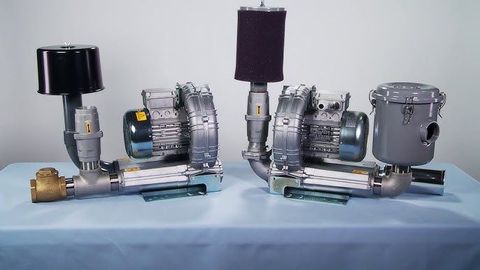
Industrial processes rely on accurate and timely information. Sensors provide this information by measuring physical or environmental conditions and sending data to control systems. This allows machines to respond automatically, improving efficiency and reducing human intervention. For example: Temperature sensors help maintain safe operating conditions Pressure sensors monitor system performance Proximity sensors detect objects in automated systems Without sensors, modern automation would not be possible. They enable real-time monitoring, process control, and predictive maintenance, making them a key part of Industry 4.0 and smart manufacturing systems.
Benefits of Industrial Sensors
1. Improved Process Efficiency
Sensors provide real-time data that helps optimize production processes.
2. Enhanced Safety
Monitoring conditions such as pressure or temperature reduces the risk of accidents.
3. Automation Support
Sensors enable automated systems to operate without constant human supervision.
4. Better Product Quality
Consistent monitoring ensures that products meet quality standards.
5. Predictive Maintenance
Sensors detect early signs of equipment issues, helping prevent failures.
6. Energy Optimization
Monitoring systems can reduce energy consumption by improving efficiency.
Limitations of Industrial Sensors
1. Initial Costs
High-quality sensors and integration systems can require significant investment.
2. Calibration Requirements
Sensors must be calibrated regularly to maintain accuracy.
3. Environmental Sensitivity
Extreme conditions such as heat, moisture, or dust can affect performance.
4. Data Management Complexity
Large volumes of sensor data require proper processing and analysis systems.
5. Maintenance Needs
Sensors may require periodic replacement or servicing.
Types and Categories of Industrial Sensors
Industrial sensors are classified based on what they measure and how they operate.
1. Temperature Sensors
Measure heat levels in processes and environments.
2. Pressure Sensors
Monitor pressure in gases or liquids.
3. Proximity Sensors
Detect the presence or absence of objects without physical contact.
4. Level Sensors
Measure the level of liquids or solids in containers.
5. Flow Sensors
Track the movement of liquids or gases.
6. Motion and Position Sensors
Monitor movement, speed, and position of objects.
7. Optical Sensors
Use light to detect objects, color, or distance.
8. Gas and Chemical Sensors
Detect gases or chemical concentrations in the environment.
Comparison Table: Common Industrial Sensor Types
| Sensor Type | Measures | Typical Use | Key Advantage |
|---|---|---|---|
| Temperature | Heat | Manufacturing, HVAC | Essential for safety |
| Pressure | Force per area | Pipelines, machinery | Accurate monitoring |
| Proximity | Object presence | Automation lines | Non-contact detection |
| Level | Material height | Tanks, silos | Continuous measurement |
| Flow | Fluid movement | Water, gas systems | Efficiency control |
| Motion | Movement/position | Robotics | Precision control |
| Optical | Light-based detection | Inspection systems | High accuracy |
| Gas | Chemical presence | Safety monitoring | Hazard detection |
Latest Trends and Innovations in Industrial Sensors
1. Smart Sensors
Modern sensors include built-in processing and communication capabilities.
2. Internet of Things (IoT) Integration
Sensors connect to networks for real-time data sharing and analysis.
3. Wireless Sensor Technology
Wireless systems reduce installation complexity and improve flexibility.
4. Miniaturization
Smaller sensors allow integration into compact systems and devices.
5. Advanced Materials
New materials improve sensor durability and sensitivity.
6. AI-Driven Data Analysis
Artificial intelligence helps interpret sensor data for predictive maintenance.
Key Features to Consider When Evaluating Industrial Sensors
1. Measurement Accuracy
Accuracy is critical for reliable data and process control.
2. Environmental Compatibility
Sensors must withstand temperature, humidity, and other conditions.
3. Response Time
Fast response is important for real-time applications.
4. Output Signal Type
Ensure compatibility with existing systems (analog or digital signals).
5. Durability
Robust construction ensures long-term performance.
6. Calibration Requirements
Consider how often calibration is needed.
7. Power Consumption
Energy-efficient sensors reduce operational costs.
8. Connectivity
Modern systems may require wireless or network connectivity.
Leading Industrial Sensor Companies
The following companies are recognized for industrial sensor technologies:
| Company | Known For | Public Website |
|---|---|---|
| Siemens | Automation and sensor systems | https://www.siemens.com |
| Honeywell | Industrial sensors and controls | https://www.honeywell.com |
| Bosch | Sensor and automation solutions | https://www.bosch.com |
| Omron | Industrial automation sensors | https://www.omron.com |
| Rockwell Automation | Smart manufacturing solutions | https://www.rockwellautomation.com |
These companies offer a wide range of sensor technologies and technical support resources.
How to Choose the Right Industrial Sensor
Step 1: Define Measurement Needs
Identify what needs to be measured and why.
Step 2: Assess Environmental Conditions
Consider temperature, humidity, and exposure to dust or chemicals.
Step 3: Determine Accuracy Requirements
Select sensors that meet precision needs.
Step 4: Check Compatibility
Ensure the sensor works with existing systems and equipment.
Step 5: Evaluate Installation Requirements
Consider mounting, wiring, and space constraints.
Step 6: Compare Costs
Balance performance with budget considerations.
Step 7: Review Supplier Support
Reliable support ensures long-term usability.
Industrial Sensor Selection Checklist
- Measurement requirement defined
- Environmental conditions evaluated
- Accuracy level selected
- Compatibility confirmed
- Installation requirements reviewed
- Power and connectivity assessed
- Maintenance needs considered
- Budget planned
- Supplier support verified
- Safety standards checked
Tips for Best Use and Maintenance
- Calibrate sensors regularly
- Protect sensors from extreme conditions
- Clean sensors to prevent buildup
- Monitor performance for irregular readings
- Replace damaged components promptly
- Train operators on proper usage
- Maintain documentation for maintenance and calibration
Frequently Asked Questions About Industrial Sensors
1. What is the main function of an industrial sensor?
It detects physical conditions and converts them into usable signals.
2. How often should sensors be calibrated?
Calibration frequency depends on usage and manufacturer guidelines.
3. Can sensors operate in harsh environments?
Yes, but they must be designed for specific conditions.
4. Are wireless sensors reliable?
Modern wireless sensors are reliable when properly installed and maintained.
5. What industries use industrial sensors?
Manufacturing, energy, automotive, healthcare, and agriculture.
6. Do sensors require regular maintenance?
Yes, maintenance ensures accuracy and reliability.
7. How long do industrial sensors last?
Lifespan depends on quality, usage, and environmental conditions.
Conclusion: A Practical Takeaway
Industrial sensors are a foundational part of modern automation and process control systems. By providing real-time data, they enable industries to improve efficiency, maintain safety, and ensure consistent product quality.
Selecting the right sensor involves understanding measurement needs, environmental conditions, and system compatibility. With advancements in smart technology, sensors are becoming more capable, connected, and efficient.
When properly chosen and maintained, industrial sensors can deliver long-term value by supporting reliable operations and enabling data-driven decision-making across a wide range of industries