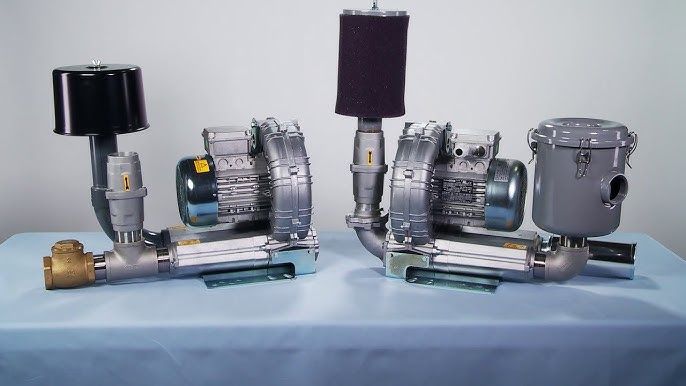
Machines and devices are made up of multiple components that experience wear and tear over time. Even high-quality equipment eventually requires maintenance or part replacement. Spare parts allow users to restore functionality without replacing the entire system. For individuals, spare parts help extend the life of everyday items such as vehicles, appliances, and electronics. For businesses, they are critical for minimizing downtime in production lines, transportation systems, and service operations. Proper spare parts management involves selecting the right components, storing them correctly, and using them when needed. Understanding the different types of spare parts and how to choose them ensures efficient repairs and long-term reliability.
Benefits of Spare Parts
1. Extended Equipment Lifespan
Replacing worn components allows equipment to continue functioning effectively.
2. Reduced Downtime
Having spare parts readily available enables faster repairs and minimizes operational delays.
3. Cost Efficiency
Repairing equipment with spare parts is often more affordable than replacing entire systems.
4. Improved Safety
Replacing damaged or faulty parts helps prevent accidents and equipment failure.
5. Flexibility in Maintenance
Spare parts support both planned maintenance and emergency repairs.
6. Customization and Upgrades
Some spare parts allow users to upgrade performance or add new features.
Limitations of Spare Parts
1. Storage Requirements
Spare parts need proper storage conditions to prevent damage or deterioration.
2. Inventory Costs
Maintaining a stock of spare parts can involve upfront investment.
3. Compatibility Issues
Incorrect parts may not fit or function properly with existing systems.
4. Quality Variation
Not all spare parts meet the same quality standards.
5. Obsolescence
Parts for older equipment may become difficult to find over time.
Types and Categories of Spare Parts
Spare parts are classified based on their function, usage, and origin.
1. OEM (Original Equipment Manufacturer) Parts
These are produced by the original manufacturer and designed specifically for the equipment.
2. Aftermarket Parts
Manufactured by third-party companies, often offering alternatives to OEM parts.
3. Consumable Parts
Parts that wear out regularly and require frequent replacement, such as filters or belts.
4. Critical Spare Parts
Essential components that, if unavailable, can cause system shutdown.
5. Capital Spare Parts
High-value parts kept in reserve for major repairs or replacements.
6. Standard Parts
Common components such as screws, bolts, and bearings used across multiple systems.
7. Refurbished or Reconditioned Parts
Used parts restored to working condition.
Comparison Table: Common Spare Part Types
| Spare Part Type | Source | Typical Use | Key Advantage |
|---|---|---|---|
| OEM Parts | Original manufacturer | Exact replacements | Guaranteed compatibility |
| Aftermarket Parts | Third-party suppliers | Alternative options | Often cost-effective |
| Consumables | Various suppliers | Routine replacement | Easy availability |
| Critical Parts | Specialized suppliers | Emergency repairs | Prevent downtime |
| Capital Parts | Manufacturer or distributor | Major systems | Long-term reliability |
| Refurbished Parts | Reconditioning providers | Budget repairs | Lower cost |
Latest Trends and Innovations in Spare Parts Management
1. Digital Inventory Systems
Businesses use software to track spare parts availability and usage.
2. Predictive Maintenance
Sensors and data analysis help predict when parts will need replacement.
3. 3D Printing of Spare Parts
Additive manufacturing allows on-demand production of certain components.
4. E-Commerce Platforms
Online marketplaces make spare parts easier to find and compare.
5. Standardization of Components
Some industries are moving toward standardized parts for easier replacement.
6. Sustainable Practices
Recycling and refurbishing parts reduce waste and environmental impact.
Key Features to Consider When Evaluating Spare Parts
1. Compatibility
Ensure the part matches the equipment specifications.
2. Quality and Certification
Look for parts that meet recognized quality standards.
3. Durability
High-quality materials extend the life of replacement parts.
4. Availability
Choose parts that can be sourced easily when needed.
5. Cost
Balance affordability with quality and reliability.
6. Warranty
Warranty coverage provides assurance of product quality.
7. Supplier Reputation
Reliable suppliers reduce the risk of receiving defective parts.
Well-Known Spare Parts Manufacturers and Suppliers
Several global companies provide spare parts across industries.
| Company | Known For | Public Website |
|---|---|---|
| Bosch | Automotive and industrial parts | https://www.bosch.com |
| Caterpillar | Heavy machinery spare parts | https://www.caterpillar.com |
| Siemens | Industrial components | https://www.siemens.com |
| 3M | Maintenance and repair products | https://www.3m.com |
| SKF | Bearings and mechanical parts | https://www.skf.com |
These companies provide product catalogs, technical specifications, and support resources.
How to Choose the Right Spare Parts
Step 1: Identify Equipment Specifications
Check model numbers, serial numbers, and technical manuals.
Step 2: Determine Part Requirements
Understand the function and performance requirements of the part.
Step 3: Choose Between OEM and Aftermarket
Evaluate cost, compatibility, and warranty.
Step 4: Verify Supplier Reliability
Purchase from trusted suppliers or authorized distributors.
Step 5: Compare Prices and Quality
Avoid choosing parts solely based on low cost.
Step 6: Check Warranty and Return Policies
Ensure the part can be replaced if defective.
Step 7: Plan Inventory Needs
For businesses, maintain a balanced stock of essential parts.
Spare Parts Selection Checklist
- Equipment model and specifications confirmed
- Correct part identified
- OEM or aftermarket option selected
- Supplier reputation verified
- Quality standards checked
- Warranty reviewed
- Price compared
- Availability confirmed
- Storage conditions prepared
- Installation requirements understood
Tips for Best Use and Maintenance of Spare Parts
- Store parts in clean, dry environments
- Label and organize inventory clearly
- Rotate stock to use older parts first
- Inspect parts before installation
- Follow manufacturer installation guidelines
- Maintain records of part usage
- Replace parts at recommended intervals
Frequently Asked Questions About Spare Parts
1. What is the difference between OEM and aftermarket parts?
OEM parts are made by the original manufacturer, while aftermarket parts are produced by third parties.
2. Are aftermarket parts reliable?
Some aftermarket parts are reliable, but quality varies depending on the manufacturer.
3. How should spare parts be stored?
They should be kept in dry, temperature-controlled environments to prevent damage.
4. When should spare parts be replaced?
Replacement depends on wear, usage, and manufacturer recommendations.
5. Can spare parts improve performance?
Some upgraded parts can enhance performance, but compatibility must be considered.
6. How can businesses manage spare parts inventory?
Digital inventory systems help track stock levels and usage.
7. Are refurbished parts a good option?
They can be cost-effective if sourced from reputable providers.
Conclusion: A Practical Takeaway
Spare parts are an essential part of maintaining equipment, vehicles, and systems across various industries. By enabling repairs and upgrades, they help extend the life of equipment, reduce downtime, and improve efficiency.
Choosing the right spare parts requires careful consideration of compatibility, quality, and supplier reliability. Proper storage, regular inspection, and organized inventory management further support effective use.
Whether for personal use or industrial operations, understanding spare parts and their role in maintenance helps users make informed decisions and ensure long-term performance and reliability.