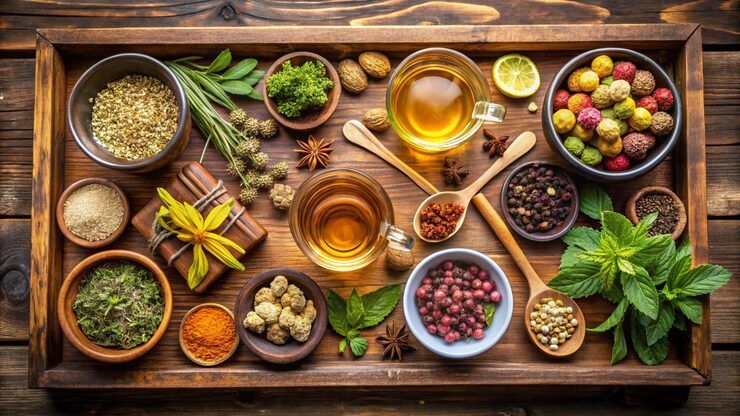
Herbal medicine has been part of human health practices for thousands of years. Across different cultures and regions, people have used plants, roots, leaves, flowers, and seeds to support health and maintain overall well-being. While modern medicine continues to play an essential role in healthcare, herbal medicine remains a popular complementary approach for individuals seeking natural ways to support their daily wellness.
Today, herbal medicine is used around the world in many forms, including teas, powders, capsules, oils, extracts, and topical applications. Growing interest in natural health, preventive care, and traditional wellness practices has increased awareness of herbal remedies in everyday life.
This guide explains what herbal medicine is, its benefits, how it works, commonly used herbs, safety considerations, and how it fits into modern health practices. The goal is to provide clear, balanced, and educational information that helps readers understand the topic without making medical claims.
What Is Herbal Medicine?
Herbal medicine is the practice of using plants and plant-derived substances to support health and wellness. It is one of the oldest forms of traditional healthcare and has been used in systems such as Ayurveda, Traditional Chinese Medicine, Indigenous healing traditions, and various folk medicine practices across the world.
Unlike synthetic medicines that are typically created from isolated chemical compounds, herbal medicine often uses whole plants or specific plant parts that contain naturally occurring compounds. These compounds may include antioxidants, essential oils, flavonoids, alkaloids, vitamins, and minerals that contribute to the plant's traditional use.
Herbal medicine is commonly used to promote general wellness, support the body's natural functions, and complement healthy lifestyle habits. Different herbs have traditionally been associated with different areas of health, including digestion, relaxation, immune support, skin care, and energy balance.
Why Herbal Medicine Remains Important Today
Interest in herbal medicine continues to grow because many people are looking for holistic approaches that focus on maintaining health alongside conventional medical care. Modern lifestyles often include stress, irregular eating habits, reduced physical activity, and environmental challenges, leading many individuals to explore traditional wellness practices.
Herbal medicine is valued for its connection to natural ingredients and long history of cultural use. It also encourages awareness of nutrition, plant-based wellness, and preventive health habits.
Research into medicinal plants has expanded over recent years, with scientists studying naturally occurring plant compounds and their potential roles in supporting human health. This ongoing research helps improve understanding of traditional herbal practices while identifying where further evidence is needed.
How Herbal Medicine Works in the Body
Plants contain a variety of naturally occurring bioactive compounds that interact with the body in different ways. Rather than focusing on a single ingredient, many herbal preparations contain multiple plant compounds working together.
Depending on the herb, these compounds may help support normal body processes such as digestion, circulation, relaxation, or antioxidant activity. However, the way herbal medicine works varies significantly between plants, preparation methods, dosage, and individual health conditions.
Herbal medicine is generally viewed as supporting the body's natural systems rather than replacing medical treatment. Healthy nutrition, regular exercise, quality sleep, and professional healthcare remain important parts of overall wellness.
Common Herbal Medicine Benefits
Herbal medicine has traditionally been used for a wide range of wellness purposes. While experiences vary from person to person, many herbs have long histories of traditional use.
Supporting Daily Wellness
Many herbs are consumed as part of everyday wellness routines. Herbal teas and infusions are commonly enjoyed to promote hydration, relaxation, and a sense of balance throughout the day.
Antioxidant Support
Several herbs naturally contain antioxidants, which help protect cells from oxidative stress caused by everyday environmental factors. Antioxidants are also found in fruits, vegetables, and other plant-based foods, making herbal plants part of a broader healthy diet.
Digestive Wellness
Traditional herbal practices often include herbs that support comfortable digestion and healthy digestive function. Herbal beverages have been used for generations after meals in many cultures.
Relaxation and Stress Management
Some herbs are traditionally associated with promoting relaxation and supporting healthy sleep routines. These herbs are often included in calming teas and evening wellness rituals.
Skin and Hair Care
Herbal ingredients are widely used in natural skincare and hair care products because many plants contain vitamins, minerals, and botanical compounds valued in traditional beauty practices.
Supporting Healthy Lifestyle Habits
Many people include herbs alongside balanced diets and healthy routines as part of preventive wellness practices rather than as replacements for healthcare.
Popular Herbs and Their Traditional Uses
Different herbs have been traditionally associated with different wellness purposes. Each herb has unique characteristics and historical significance.
Turmeric
Turmeric has been widely used in traditional wellness systems for centuries. It is commonly included in cooking as well as herbal preparations and is known for containing naturally occurring compounds with antioxidant properties.
Ginger
Ginger is one of the most commonly used herbs worldwide. Traditionally, it has been included in foods, teas, and herbal preparations that support digestive comfort and seasonal wellness routines.
Peppermint
Peppermint is widely recognized for its refreshing aroma and traditional digestive uses. Herbal peppermint tea remains a popular beverage after meals.
Chamomile
Chamomile has long been used in herbal teas that are traditionally associated with relaxation and calming evening routines.
Tulsi
Tulsi, also known as holy basil, plays an important role in Ayurvedic traditions and is commonly consumed as herbal tea in many households.
Aloe Vera
Aloe vera has been traditionally used in skincare and wellness practices because of its soothing botanical properties.
Ashwagandha
Ashwagandha is a well-known herb in traditional Ayurveda and is commonly discussed in relation to stress management and overall wellness support.
Different Forms of Herbal Medicine
Herbal medicine is available in several forms, allowing individuals to choose preparations that fit their preferences and routines.
Herbal teas remain one of the most traditional methods of consuming herbs. Fresh or dried herbs are infused in hot water to create beverages enjoyed throughout the day.
Capsules and tablets provide standardized herbal preparations that are convenient for daily routines.
Powders can be mixed into smoothies, warm beverages, or recipes depending on the herb being used.
Liquid extracts and tinctures are concentrated herbal preparations that use plant extracts in measured amounts.
Essential oils are highly concentrated plant extracts primarily used in aromatherapy and topical applications when appropriately diluted.
Herbal creams, gels, and ointments are commonly applied externally for skincare and traditional topical wellness practices.
Herbal Medicine in Traditional and Modern Healthcare
Traditional healthcare systems have relied on medicinal plants for generations. Ayurveda emphasizes balancing the body's natural systems using herbs alongside nutrition and lifestyle. Traditional Chinese Medicine uses carefully combined herbs based on individualized approaches. Indigenous communities around the world have also preserved valuable knowledge about medicinal plants native to their environments.
Modern healthcare approaches herbal medicine differently. Researchers study plant compounds to better understand their properties, effectiveness, safety, and possible interactions with medications. Some plant-derived compounds have also contributed to the development of modern pharmaceutical medicines after extensive scientific research.
Today, many healthcare professionals view herbal medicine as a complementary practice rather than a replacement for evidence-based medical treatment.
Recent Trends in Herbal Medicine
Over the past year, interest in herbal wellness has continued to increase across health, nutrition, and personal care industries.
Consumers have become more interested in plant-based wellness products and traditional herbal beverages. Educational content about herbal ingredients has also expanded through digital health platforms, wellness communities, and nutrition resources.
Researchers continue studying medicinal plants for their nutritional value, antioxidant activity, and potential roles in supporting healthy lifestyles. Greater attention is also being given to sustainable cultivation of medicinal herbs and quality standards for herbal products.
Technology has also improved the way medicinal plants are identified, cultivated, processed, and tested for consistency in herbal manufacturing.
How to Use Herbal Medicine Responsibly
Responsible use is an important part of herbal wellness. Even though herbs come from natural sources, natural does not always mean suitable for everyone.
Choosing herbs from reputable manufacturers can help ensure better quality and ingredient transparency.
Following recommended serving instructions is important because different herbs have different preparation methods and concentrations.
Introducing one herbal product at a time makes it easier to observe how it fits into an individual's wellness routine.
People who are pregnant, breastfeeding, managing chronic medical conditions, or taking prescription medications should consult qualified healthcare professionals before using herbal supplements.
Herbal medicine should complement healthy lifestyle habits rather than replace nutritious food, exercise, sleep, hydration, or medical advice.
Safety Considerations and Possible Interactions
Herbal medicine requires thoughtful use because some herbs may interact with medications or existing health conditions.
Certain herbs may influence blood pressure, blood sugar, blood clotting, or hormone-related processes. Others may affect how the body processes prescription medications.
Quality also matters because herbal products can vary depending on cultivation methods, harvesting, processing, storage, and manufacturing standards.
Allergic reactions are possible with herbal ingredients, especially for individuals with plant allergies. Anyone experiencing unexpected reactions should discontinue use and seek appropriate medical guidance.
Children, older adults, and individuals with complex medical conditions may require additional professional guidance before using herbal preparations.
Choosing High-Quality Herbal Products
Quality plays a significant role in herbal medicine because plant ingredients can vary naturally.
Reading product labels helps identify the botanical name, ingredients, preparation type, serving recommendations, and storage instructions.
Products that undergo quality testing and clearly list ingredients provide greater transparency for consumers.
Proper storage is equally important because heat, moisture, and sunlight may affect the quality of certain herbal preparations over time.
Understanding the difference between herbal foods, herbal teas, dietary supplements, and essential oils also helps consumers choose products appropriate for their intended use.
Herbal Medicine and Everyday Wellness Habits
Herbal medicine works best as part of a broader wellness lifestyle. A balanced approach includes nutritious meals, regular physical activity, adequate hydration, quality sleep, and stress management practices.
Many people enjoy incorporating herbal teas into morning or evening routines, using herbs in cooking, or choosing botanical skincare products as part of daily self-care.
Building consistent healthy habits often provides greater long-term wellness support than relying on any single herb or supplement alone.
Frequently Asked Questions
Is herbal medicine the same as natural medicine?
Herbal medicine is one category of natural medicine that specifically focuses on plants and plant-derived substances used for wellness and traditional health practices.
Can herbal medicine replace prescription medicines?
Herbal medicine is generally considered a complementary wellness practice and should not replace prescribed medical treatment without guidance from a qualified healthcare professional.
Are herbal medicines scientifically studied?
Many herbs have been studied for their botanical compounds and traditional uses, while research continues to evaluate their safety, effectiveness, and appropriate applications.
Are herbal products safe for everyone?
Not always. Individual health conditions, allergies, pregnancy, breastfeeding, age, and medications may affect whether a particular herb is appropriate.
What is the safest way to start using herbal medicine?
Learning about the herb, choosing quality products, following recommended usage instructions, and consulting a healthcare professional when necessary are responsible first steps.
Conclusion
Herbal medicine represents a long-standing tradition of using plants to support health and wellness. From ancient healing practices to modern wellness routines, medicinal herbs continue to play an important role in cultures around the world. Their popularity today reflects growing interest in natural health, preventive wellness, and plant-based lifestyles.
Understanding herbal medicine involves recognizing both its traditional value and the importance of responsible use. Different herbs have different properties, preparation methods, and safety considerations, making informed choices essential. While herbal medicine may complement healthy habits and modern healthcare, it should be approached thoughtfully and with professional guidance when appropriate.
By combining traditional knowledge with evidence-informed wellness practices, herbal medicine can be understood as part of a balanced approach to overall health, nutrition, and everyday well-being.
Disclaimer: The information provided in this article is for informational purposes only. We do not make any claims or guarantees regarding the accuracy, reliability, or completeness of the information presented. The content is not intended as professional advice and should not be relied upon as such. Readers are encouraged to conduct their own research and consult with appropriate professionals before making any decisions based on the information provided in this article.