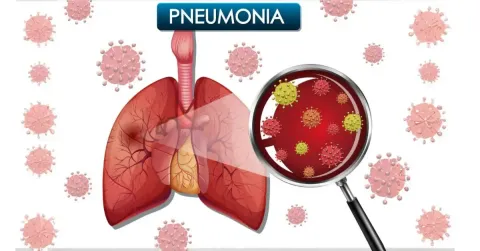
MAC lung disease is a long-term lung infection caused by a group of bacteria known as Mycobacterium avium complex (MAC). These bacteria are commonly found in the environment, including soil, water, and dust. Unlike contagious respiratory infections, MAC lung disease usually develops when environmental bacteria enter the lungs and grow over time in people who have certain risk factors or underlying lung conditions.
Although MAC bacteria are widespread, most healthy people do not become sick after exposure. The disease is more likely to affect people whose lungs are already damaged or whose immune systems are weakened. Because the infection often develops slowly, symptoms can appear gradually and may be mistaken for other chronic lung conditions.
Understanding MAC lung disease is important because early diagnosis and consistent treatment can help reduce lung damage, improve breathing, and support a better quality of life. This guide explains the condition in simple language, covering symptoms, causes, diagnosis, treatment, and everyday care.
Understanding MAC Lung Disease
Mycobacterium avium complex refers to a group of bacteria that naturally live in the environment. People are exposed to these bacteria through everyday activities such as breathing in small particles from water or soil. Exposure alone does not mean someone will develop an infection.
MAC lung disease occurs when these bacteria settle in the lungs and multiply. The infection usually affects the airways and lung tissue gradually rather than causing sudden illness. It belongs to a group of infections called nontuberculous mycobacterial (NTM) lung diseases.
Unlike tuberculosis, MAC lung disease is generally not spread from person to person. Instead, it develops from environmental exposure combined with factors that make the lungs more vulnerable to infection.
The disease can progress slowly over months or years. Some people experience mild symptoms for a long time before receiving a diagnosis, while others develop more noticeable breathing problems.
Why MAC Lung Disease Matters Today
Awareness of MAC lung disease has increased in recent years as healthcare providers diagnose more cases. Better imaging technology and improved laboratory testing have made it easier to identify infections that may have previously gone unnoticed.
The condition is particularly important because it often affects older adults and people living with chronic respiratory diseases. If left untreated in appropriate cases, MAC infection may lead to increasing inflammation, lung scarring, and reduced lung function over time.
Early recognition helps doctors determine whether monitoring or treatment is the best approach. Not every person diagnosed with MAC requires immediate medication, making careful evaluation an important part of care.
What Causes MAC Lung Disease?
MAC bacteria exist naturally in many environments. They can be found in household water systems, natural water sources, soil, and dust particles. People may inhale the bacteria without realizing it.
The infection develops when bacteria are able to survive and grow inside the lungs. Several factors can increase the likelihood of this happening.
People with chronic lung diseases such as bronchiectasis, chronic obstructive pulmonary disease (COPD), cystic fibrosis, or previous lung infections have a higher risk because their lungs are more vulnerable.
A weakened immune system can also increase susceptibility. Certain medical conditions and treatments that affect immune function may make it harder for the body to control environmental bacteria.
Some individuals develop MAC lung disease without an obvious immune problem. Researchers believe differences in lung structure, genetics, and body composition may also play a role in certain cases.
Common Symptoms of MAC Lung Disease
Symptoms often develop slowly and may continue for months before becoming noticeable enough to seek medical attention.
A persistent cough is one of the most common symptoms. The cough may produce mucus or sputum and often lasts for an extended period.
Many people experience increasing fatigue that does not improve with normal rest. Shortness of breath may gradually become more noticeable during physical activity.
Other symptoms may include mild chest discomfort, unintended weight loss, reduced appetite, night sweats, and occasional low-grade fever.
Because these symptoms overlap with many other respiratory conditions, MAC lung disease cannot be diagnosed based on symptoms alone. Medical testing is necessary to confirm the infection.
Who Is Most at Risk?
MAC lung disease can affect anyone, but certain groups have a greater chance of developing it.
Older adults are diagnosed more frequently, especially women over the age of 50 who have underlying airway changes such as bronchiectasis.
People with chronic lung diseases have a higher risk because damaged airways can trap mucus, creating an environment where bacteria grow more easily.
Individuals with weakened immune systems, including those receiving certain medications or living with immune-related conditions, may also be more susceptible.
Previous lung infections, structural lung abnormalities, and long-term respiratory inflammation can increase vulnerability as well.
Having a risk factor does not mean someone will definitely develop MAC lung disease. It simply means doctors may pay closer attention if symptoms appear.
How MAC Lung Disease Is Diagnosed
Diagnosing MAC lung disease usually involves a combination of symptoms, imaging, and laboratory testing rather than a single test.
A healthcare provider begins by reviewing symptoms, medical history, and risk factors. A physical examination helps identify signs of chronic lung disease or infection.
Chest imaging is an important step. A chest X-ray may show changes in the lungs, while a CT scan often provides a more detailed picture of airway inflammation, bronchiectasis, or nodules associated with MAC infection.
Laboratory testing confirms the presence of MAC bacteria. Doctors typically analyze sputum samples collected over several days because repeated testing improves diagnostic accuracy.
In some cases, bronchoscopy may be recommended if sputum samples cannot be obtained or additional information is needed from inside the airways.
Diagnosis requires evidence that the bacteria are causing disease rather than simply being present without causing illness.
Types and Patterns of MAC Lung Disease
MAC lung disease does not look the same in every person. Doctors often identify different patterns based on imaging results and lung involvement.
One common form is the nodular bronchiectatic pattern, which affects the small airways and is frequently seen in people with bronchiectasis. This pattern often progresses slowly.
Another form is the fibrocavitary pattern, which involves cavities or damaged areas in the upper lungs. This type is generally more severe and may require prompt treatment.
Some patients have limited disease that remains stable for long periods, while others experience progressive infection that gradually affects more lung tissue.
Understanding the disease pattern helps guide treatment decisions and follow-up care.
Treatment Options for MAC Lung Disease
Treatment depends on symptoms, disease severity, imaging findings, and overall health. Not every diagnosed patient starts medication immediately.
For people with mild disease that is stable, doctors may recommend careful monitoring through regular imaging and sputum testing.
When treatment is needed, it usually involves a combination of antibiotics rather than a single medication. Combination therapy helps reduce the risk of bacterial resistance and improves treatment effectiveness.
Treatment often continues for many months because MAC bacteria grow slowly. Healthcare providers monitor progress through sputum cultures, imaging, and symptom improvement.
Regular follow-up appointments are important because medications may require monitoring for side effects or dose adjustments during long-term therapy.
Stopping medication without medical guidance can reduce treatment effectiveness and increase the chance of recurrence.
Living with MAC Lung Disease
Living with MAC lung disease often involves ongoing medical care and healthy daily habits. Many people continue their normal activities while managing symptoms with guidance from healthcare professionals.
Airway clearance techniques are commonly recommended for people who produce mucus. These techniques help remove mucus from the lungs and may improve breathing.
Regular physical activity, when appropriate, can support lung function, improve endurance, and reduce fatigue. Exercise programs should match a person's health status and medical advice.
Good nutrition is also important because some people experience weight loss during chronic lung infections. A balanced diet supports immune function and recovery.
Managing stress and getting adequate sleep can help people cope with the challenges of long-term treatment and chronic symptoms.
Recent Updates in MAC Lung Disease Care (2025–2026)
Research into MAC lung disease continues to improve diagnosis and treatment strategies.
Recent clinical work has focused on identifying patients who benefit most from early treatment versus careful observation. This approach aims to avoid unnecessary medication while treating progressive disease promptly.
Healthcare providers are also using more detailed CT imaging and improved laboratory techniques to distinguish MAC infection from other lung conditions more accurately.
Researchers continue studying new antibiotic combinations, inhaled therapies, and treatment approaches designed to improve outcomes while reducing side effects.
Growing awareness among respiratory specialists has also led to earlier recognition of symptoms in people with chronic bronchiectasis and related lung diseases.
Long-Term Outlook and Recovery
The outlook for MAC lung disease varies from person to person. Many individuals improve with consistent treatment and monitoring, while others require long-term management because the condition can recur.
Recovery depends on factors such as lung damage before diagnosis, overall health, immune function, and adherence to the treatment plan.
Even after successful treatment, follow-up testing may continue because reinfection from the environment is possible.
Regular communication with healthcare providers helps detect changes early and adjust care when needed.
Many people are able to maintain daily routines and manage symptoms effectively with appropriate medical support.
Protecting Lung Health During Treatment
Although MAC bacteria cannot always be avoided, maintaining healthy lungs can support overall respiratory health.
Avoiding tobacco smoke and limiting exposure to harmful air pollutants can reduce additional lung irritation.
Following treatment plans for existing lung conditions such as asthma, COPD, or bronchiectasis helps improve overall lung function.
Staying physically active within recommended limits supports breathing muscles and endurance.
Keeping vaccinations up to date, when recommended by healthcare providers, may help reduce the risk of other respiratory infections that could complicate lung health.
Frequently Asked Questions
Is MAC lung disease contagious?
MAC lung disease is generally not considered contagious. It usually develops from exposure to environmental bacteria rather than spreading from one person to another.
Can healthy people get MAC lung disease?
Yes, but it is less common. Most healthy people are exposed to MAC bacteria without developing illness because their immune systems and lungs prevent infection.
How long does treatment usually last?
Treatment often lasts many months because MAC bacteria grow slowly. The exact duration depends on individual progress and medical evaluation.
Can MAC lung disease come back after treatment?
Yes. Some people experience recurrence or become infected again after successful treatment, which is why long-term follow-up may be recommended.
When should someone see a healthcare provider?
A persistent cough lasting several weeks, unexplained weight loss, increasing shortness of breath, ongoing fatigue, or chronic mucus production should be evaluated by a healthcare professional, especially in people with existing lung disease.
Conclusion
MAC lung disease is a chronic lung infection caused by environmental bacteria that primarily affects people with underlying lung conditions or increased susceptibility to respiratory infections. Because symptoms often develop gradually, diagnosis requires careful evaluation through imaging, sputum testing, and clinical assessment.
Modern treatment combines long-term monitoring with antibiotic therapy when appropriate, while supportive care focuses on airway clearance, nutrition, physical activity, and protecting overall lung health. Continued research is improving the understanding of MAC lung disease and helping healthcare providers identify the most effective care strategies.
People who recognize persistent respiratory symptoms early and work closely with qualified healthcare professionals have better opportunities to manage the condition, protect lung function, and maintain quality of life over the long term.
Disclaimer: The information provided in this article is for informational purposes only. We do not make any claims or guarantees regarding the accuracy, reliability, or completeness of the information presented. The content is not intended as professional advice and should not be relied upon as such. Readers are encouraged to conduct their own research and consult with appropriate professionals before making any decisions based on the information provided in this article.