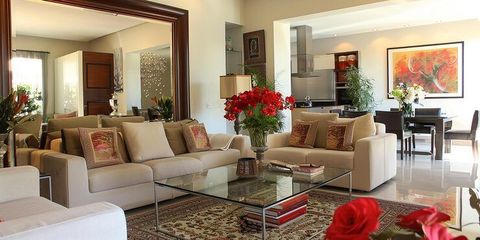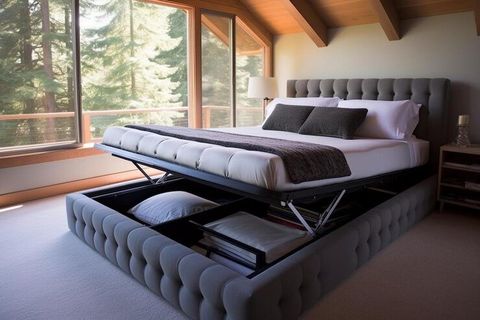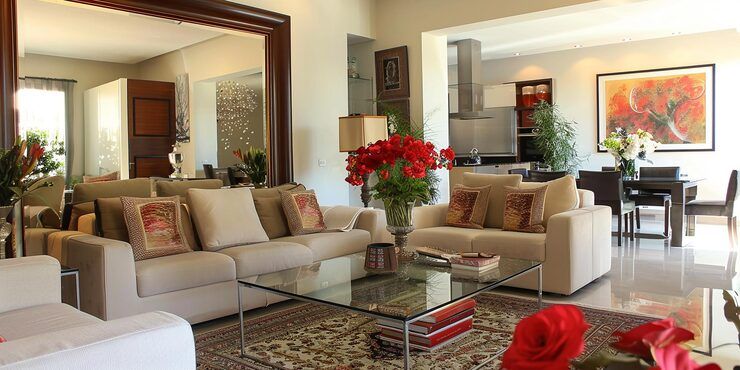
A living room is one of the most frequently used spaces in any home. It is where families spend time together, guests are welcomed, and everyday activities like reading, watching television, or relaxing take place. As homes become more adaptable and space-conscious, modular living room sets have become an increasingly practical approach to interior design.
Modular living room sets are furniture collections made up of individual pieces that can be arranged, rearranged, or expanded based on the size and layout of a room. Instead of one large fixed sofa or entertainment unit, modular furniture is designed with separate sections that work together as a complete setup while still allowing flexibility.
This design approach helps homeowners create living spaces that can evolve over time. Whether someone moves to a different home, renovates a room, or simply wants a fresh layout, modular furniture offers the freedom to make changes without replacing an entire living room setup.
Why Modular Living Room Sets Are Becoming More Popular
Modern homes are designed differently than they were a decade ago. Apartments, compact homes, open-plan layouts, and multi-purpose living spaces require furniture that adapts rather than remains fixed. Modular living room sets meet these changing needs by combining flexibility with organized design.
The popularity of modular furniture is also influenced by changing lifestyles. Many households need furniture that supports remote work, entertainment, family gatherings, and everyday relaxation within the same room. Modular arrangements make it easier to create different seating configurations depending on the occasion.
Another reason for growing interest is the ability to personalize the living room without major structural changes. Individual modules can be added or removed as family needs change, making modular furniture suitable for both smaller households and larger families.
How Modular Living Room Sets Work
A modular living room set consists of independent furniture units that connect visually and functionally. Each module serves a specific purpose while fitting seamlessly into the overall design.
The seating area often includes corner units, straight sections, chaise lounges, ottomans, and movable chairs. Entertainment furniture may include modular TV units, floating shelves, storage cabinets, and display sections. Coffee tables and side tables are also available in modular formats that complement the overall arrangement.
Since these components are designed as compatible units, homeowners can experiment with different layouts while maintaining a balanced appearance. This makes modular furniture different from traditional living room sets that usually come in a single predetermined arrangement.
Choosing the Right Layout for Different Living Room Sizes
Every living room has unique dimensions and movement patterns. Modular furniture works best when its layout is planned around available space instead of forcing furniture into a fixed arrangement.
In compact living rooms, modular seating arranged along one wall helps maximize open floor space. Corner modules can create additional seating without making the room feel crowded. Smaller coffee tables and floating storage units help maintain visual openness.
Medium-sized living rooms allow more flexibility with L-shaped or U-shaped seating configurations. These layouts create conversation areas while keeping enough walking space around the furniture.
Large living rooms benefit from sectional modular arrangements that divide the space into functional zones. Separate seating clusters, entertainment sections, and reading corners can coexist without making the room appear disconnected.
Planning furniture around natural light, doorways, and windows also improves comfort and movement throughout the room.
Materials Commonly Used in Modular Living Room Sets
The durability and appearance of modular furniture depend greatly on the materials used in its construction. Different materials provide different textures, maintenance needs, and visual styles.
Wood remains one of the most popular choices because it offers strength and timeless appeal. Engineered wood is commonly used for storage units and entertainment systems due to its consistent finish and design flexibility.
Metal frames provide structural support and suit contemporary or industrial-inspired interiors. They are often combined with wood or glass for a balanced appearance.
Fabric upholstery creates a soft and comfortable seating experience. Cotton blends, linen-inspired fabrics, velvet textures, and woven synthetic materials are frequently chosen for modular sofas because they offer different looks and maintenance levels.
Leather and leather-like upholstery are also used in modular seating for a sleek appearance and easier surface cleaning. Choosing upholstery depends on household needs, climate, and everyday usage.
Designing a Functional Living Room with Modular Furniture
A well-designed modular living room focuses on comfort, movement, storage, and visual balance. Furniture should support daily routines without making the room feel overcrowded.
The seating arrangement usually becomes the focal point. Positioning modules around a central coffee table creates a welcoming conversation area while keeping entertainment devices visible from multiple seats.
Storage modules can be placed below televisions, along walls, or beside seating areas. Closed cabinets help reduce visual clutter, while open shelves display books, artwork, or decorative objects.
Maintaining enough distance between furniture pieces improves accessibility and creates a more comfortable environment. Modular furniture works particularly well because individual components can be repositioned until the layout feels natural.
Lighting also contributes to the overall design. Floor lamps, wall-mounted lighting, and natural daylight complement modular layouts by highlighting different functional areas.
Storage Solutions Integrated into Modular Living Room Sets
Storage has become an essential part of modern living room design. Many modular living room sets include built-in storage that helps organize everyday items without adding separate furniture.
Storage ottomans provide seating while hiding blankets, magazines, or children's toys. Modular TV units often include drawers, cabinets, and shelves that organize media equipment and accessories.
Wall-mounted modular cabinets maximize vertical space, especially in smaller homes. Floating shelves create display space without occupying floor area, making rooms appear larger.
Integrated storage keeps frequently used items accessible while maintaining a clean and organized appearance throughout the living room.
Color and Style Choices for Modern Living Rooms
Color selection plays a major role in how modular furniture influences the atmosphere of a room. Neutral colors remain popular because they blend with different interior styles and allow easy decoration changes.
Soft beige, grey, white, cream, and earthy tones create calm and versatile living spaces. These colors pair well with wood finishes, indoor plants, and textured fabrics.
Darker shades like charcoal, navy, olive, or deep brown create stronger visual contrast and suit contemporary interiors. Accent cushions, rugs, and artwork can introduce seasonal color without changing the furniture itself.
Minimalist interiors often use simple modular designs with clean lines, while Scandinavian-inspired rooms combine light wood with soft fabrics. Industrial interiors pair darker upholstery with metal frames, and contemporary homes often mix multiple textures for added depth.
Comfort and Everyday Practicality
A modular living room should not only look attractive but also support everyday comfort. Cushion density, seat depth, back support, and armrest height all influence long-term usability.
Families often prefer deeper seating modules for relaxation, while smaller apartments may benefit from compact seating that leaves more walking space. Ottoman modules can serve as footrests, additional seating, or temporary tables depending on the situation.
The modular approach also makes it easier to replace or upgrade individual sections if wear occurs over time. Instead of replacing the complete living room set, a single module can often be updated while maintaining a consistent overall design.
Maintenance and Long-Term Care
Proper maintenance helps modular living room furniture remain functional and visually appealing for years. Regular care depends on the upholstery material, frame construction, and frequency of use.
Fabric upholstery benefits from regular vacuuming to remove dust and prevent dirt buildup. Spot cleaning should be done according to the fabric's care recommendations.
Wooden surfaces should be cleaned with soft cloths and protected from excessive moisture and direct sunlight. Glass components require gentle cleaning to avoid scratches and streaks.
Metal frames generally require occasional wiping to remove dust and fingerprints. Rotating cushions periodically helps maintain their shape and promotes even wear across seating modules.
Consistent maintenance extends the life of modular furniture while preserving its appearance in busy households.
Recent Trends in Modular Living Room Design
Living room furniture continues to evolve alongside changes in home design and lifestyle preferences. Over the past year, modular furniture has increasingly focused on flexibility, sustainability, and smart organization.
Multi-functional modules have become more common, allowing furniture to serve multiple purposes within smaller homes. Hidden storage, movable ottomans, and adjustable shelving systems reflect this growing emphasis on practical design.
Natural textures and warm color palettes are also becoming more prominent in contemporary living rooms. Wood finishes, textured fabrics, and soft neutral upholstery create comfortable interiors that feel welcoming without being overly decorative.
Another noticeable trend is customizable modular entertainment walls that combine storage, display areas, and television placement into one cohesive arrangement while maintaining a clean visual appearance.
Common Mistakes to Avoid When Choosing Modular Furniture
A modular living room works best when furniture is selected according to the room's proportions and everyday needs. Choosing oversized modules for a compact room can reduce movement and make the space feel crowded.
Ignoring storage requirements may result in additional standalone furniture that disrupts the modular design. Similarly, selecting colors without considering wall finishes and lighting can affect the overall balance of the room.
Another common mistake is arranging modules without leaving enough walking space. Flexibility is one of the greatest advantages of modular furniture, so experimenting with layouts before final placement often leads to a more functional result.
Finally, focusing only on appearance instead of comfort can reduce long-term satisfaction. Seating should support regular daily use while matching the room's overall design style.
The Future of Modular Living Room Sets
The future of modular living room furniture is centered on adaptability and smarter interior planning. As homes continue to serve multiple purposes, furniture is increasingly designed to support changing routines without requiring complete room redesigns.
Sustainable materials, modular expansion options, and furniture designed for easier transportation and assembly are becoming more common. Technology-friendly storage, cable management systems, and flexible shelving are also influencing newer living room collections.
Interior design is moving toward spaces that balance aesthetics with practicality, and modular furniture fits naturally into this direction. Instead of fixed arrangements, homeowners increasingly prefer living rooms that can change with their lifestyle, family size, and personal preferences.
Conclusion
Modular living room sets offer a flexible way to design comfortable, organized, and visually balanced living spaces. Their ability to adapt to different room sizes and changing household needs makes them suitable for apartments, family homes, and modern open-plan interiors alike.
By understanding layouts, materials, storage options, color choices, comfort, and maintenance, homeowners can create living rooms that remain functional for everyday life while supporting future changes in design or lifestyle. As interior trends continue to emphasize versatility and efficient use of space, modular living room sets remain a practical solution for creating adaptable and welcoming home environments.