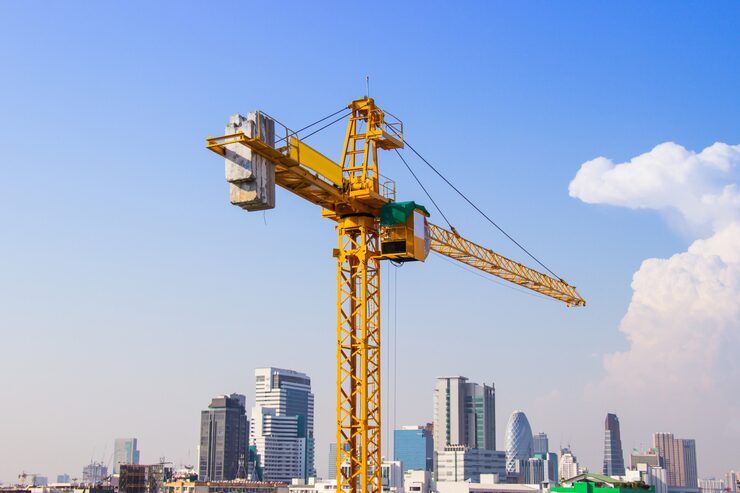
Tower cranes are among the most recognizable machines on construction sites around the world. Their towering height, long horizontal arms, and ability to lift heavy materials make them essential for building modern cities. From residential apartment buildings and shopping malls to bridges and skyscrapers, tower cranes help move construction materials efficiently and safely across large work areas.
As construction projects become taller, more complex, and more technology-driven, tower cranes have evolved into highly engineered lifting systems that combine strength, precision, and digital monitoring. They are designed to lift loads to significant heights while maintaining stability in challenging weather and demanding work environments.
This guide explains what tower cranes are, how they work, the different types available, their major components, applications across industries, safety practices, maintenance requirements, and the latest developments shaping tower crane technology in 2026.
What Is a Tower Crane?
A tower crane is a fixed or climbing lifting machine used to transport heavy materials vertically and horizontally on construction sites. Unlike mobile cranes, tower cranes remain anchored to the ground or attached to a building during construction. Their design allows them to reach great heights while lifting heavy loads with remarkable accuracy.
Tower cranes are commonly installed before major structural work begins and remain on-site throughout much of the construction process. As a building grows taller, certain types of tower cranes can also climb upward by attaching themselves to the completed structure.
The crane consists of a vertical mast, a rotating upper section, a long working arm called the jib, and a counterweight system that keeps the crane balanced while lifting loads.
Why Tower Cranes Are Important in Modern Construction
Modern construction projects require lifting steel beams, concrete panels, glass facades, mechanical equipment, and other heavy materials to elevated work areas. Tower cranes provide the height, lifting capacity, and reach necessary for these tasks.
They improve construction efficiency by reducing manual handling, supporting continuous material movement, and allowing multiple construction teams to work simultaneously at different elevations. Their precision also minimizes unnecessary movement, helping improve productivity and reduce material waste.
As urban development increases and buildings become taller, tower cranes remain one of the most important machines supporting infrastructure growth worldwide.
How a Tower Crane Works
A tower crane works by combining mechanical lifting systems, hydraulic mechanisms, electric motors, and counterbalance principles. The crane lifts materials using steel wire ropes connected to a hook block, while motors control lifting speed, trolley movement, and crane rotation.
The operator controls three primary movements. The hoist raises or lowers the load vertically. The trolley moves the load along the jib horizontally. The slewing mechanism rotates the crane around its mast, allowing materials to be placed anywhere within its operating radius.
Counterweights positioned on the shorter rear arm balance the weight being lifted on the front jib. This balance allows the crane to safely lift heavy loads without tipping over.
Modern tower cranes use computerized load monitoring systems that continuously measure lifting capacity, wind speed, and operating limits to improve safety.
Main Components of a Tower Crane
Understanding the major parts of a tower crane helps explain how the entire system operates safely and efficiently.
Mast
The mast is the vertical steel tower supporting the crane. It provides height and structural stability while carrying the load transferred through the crane's rotating section.
Base Foundation
The foundation anchors the crane securely to the ground using reinforced concrete and high-strength anchor bolts. A properly designed foundation is essential for safe operation.
Slewing Unit
The slewing unit allows the crane to rotate 360 degrees. It connects the mast with the rotating upper structure and enables the crane to serve a wide working area.
Jib
The jib is the long horizontal arm extending outward from the crane. Materials move along the jib using a trolley that positions loads precisely over the construction site.
Counter Jib
The counter jib extends in the opposite direction from the main jib and holds counterweights, electrical equipment, and lifting machinery that balance the crane.
Hoisting System
The hoisting system includes the winch, steel wire rope, pulleys, and hook block. It lifts and lowers construction materials safely.
Operator Cabin
The operator cabin is positioned near the top of the crane, providing visibility across the construction site. Many modern cranes also support remote operation from ground-level control stations.
Different Types of Tower Cranes
Tower cranes are available in several designs depending on construction requirements, building height, and lifting capacity.
Hammerhead Tower Crane
The hammerhead tower crane is the traditional design commonly seen on large construction projects. It features a horizontal jib and separate counter jib with fixed geometry.
Its design provides excellent lifting capacity and is suitable for high-rise buildings, industrial construction, and infrastructure projects.
Luffing Jib Tower Crane
A luffing jib tower crane has an adjustable jib that moves upward and downward instead of remaining horizontal.
This design is ideal for projects in congested urban areas where multiple cranes operate close together and limited airspace requires flexible jib positioning.
Self-Erecting Tower Crane
Self-erecting tower cranes are compact cranes that assemble themselves using hydraulic systems.
They are commonly used for low-rise residential buildings, schools, warehouses, and smaller commercial construction projects where installation speed is important.
Climbing Tower Crane
Climbing tower cranes attach themselves to the structure under construction and climb higher as the building grows.
These cranes are commonly used for skyscrapers, tall office towers, and large residential complexes.
Where Tower Cranes Are Used
Tower cranes serve many industries beyond traditional building construction.
High-rise residential and commercial buildings depend on tower cranes to transport structural materials throughout different construction phases. Infrastructure projects such as bridges, railway stations, airports, and metro systems also use tower cranes for heavy lifting and concrete placement.
Industrial facilities including power plants, manufacturing plants, refineries, and warehouses require tower cranes during equipment installation and structural assembly.
Large public projects such as stadiums, hospitals, universities, ports, and government buildings also rely on tower cranes for efficient material handling.
Tower Crane Capacity and Reach
Every tower crane has specific lifting limits determined by engineering design.
Lifting capacity depends on several factors including crane model, jib length, load radius, counterweight configuration, and wind conditions.
A tower crane can usually lift heavier loads closer to the mast and lighter loads farther away along the jib. This relationship is carefully calculated using load charts provided by the manufacturer.
Construction engineers plan lifting operations according to these load charts to ensure materials remain within safe operating limits throughout the project.
How Tower Cranes Are Installed
Installing a tower crane is a carefully planned engineering process.
The process begins with preparing a reinforced concrete foundation capable of supporting the crane's weight and operational loads. Mast sections are assembled vertically using mobile cranes during initial installation.
After the mast reaches the required height, the slewing unit, jib, counter jib, counterweights, hoisting machinery, and operator cabin are installed.
Electrical systems, safety devices, communication systems, and load monitoring equipment are tested before the crane begins operation.
For taller buildings, climbing cranes are extended upward using hydraulic climbing frames installed inside or outside the building structure.
Safety Practices for Tower Crane Operations
Tower cranes operate under strict safety procedures because they lift heavy loads at significant heights.
Daily inspections verify wire ropes, hooks, brakes, bolts, electrical systems, and safety devices before operation begins. Operators must check wind conditions since strong winds can affect crane stability and suspended loads.
Construction sites establish exclusion zones beneath lifting operations to protect workers from suspended loads. Communication between crane operators and signal personnel is maintained using radios and standardized hand signals.
Modern cranes include overload protection systems, anti-collision technology, emergency braking systems, and wind monitoring equipment to reduce operational risks.
Safe lifting procedures require proper load rigging, balanced lifting points, and controlled movement throughout the lifting operation.
Maintenance of Tower Cranes
Routine maintenance ensures reliability, safety, and long operational life.
Maintenance includes inspecting structural components for cracks or corrosion, checking wire ropes for wear, lubricating rotating parts, testing braking systems, and verifying electrical connections.
Hydraulic systems require fluid inspection and leak detection where applicable. Motors, gearboxes, bearings, and pulleys are also monitored for unusual wear or vibration.
Periodic load testing verifies that the crane continues operating within certified safety limits after extended use or major maintenance.
A preventive maintenance schedule helps reduce unexpected downtime during construction projects.
Environmental and Weather Considerations
Tower crane operations are heavily influenced by environmental conditions.
Wind is one of the most important safety factors because strong gusts increase load swing and structural stress. Operators follow maximum allowable wind speed limits established for each crane model.
Rain, lightning, extreme heat, and poor visibility may temporarily suspend crane operations depending on site safety procedures.
Modern monitoring systems continuously measure weather conditions and alert operators when operational limits are approached.
Proper planning helps construction sites maintain safety while minimizing weather-related delays.
Recent Developments in Tower Crane Technology
Tower crane technology has advanced significantly over the past year through increased automation, digital monitoring, and sustainability improvements.
Many new cranes introduced during 2025 and 2026 include intelligent control systems that optimize lifting speed, energy consumption, and load positioning. Sensors continuously collect operational data, helping maintenance teams detect issues before failures occur.
Remote operation technology allows operators to control certain cranes from ergonomic ground-level stations using cameras and digital displays. This improves operator comfort while maintaining visibility through multiple camera angles.
Anti-collision systems have become increasingly common on busy construction sites where multiple cranes operate simultaneously. These systems calculate movement paths and warn operators before potential conflicts occur.
Manufacturers have also focused on energy-efficient electric drives, regenerative braking systems, and quieter motors that reduce environmental impact on urban construction projects.
Digital construction platforms now integrate tower cranes with Building Information Modeling systems, allowing lifting plans and construction schedules to work together more efficiently.
Choosing the Right Tower Crane for a Project
Selecting a tower crane depends on project height, lifting requirements, available space, and construction timeline.
Engineers evaluate building dimensions, maximum load weight, lifting radius, foundation conditions, nearby structures, and site accessibility before selecting a crane type.
Urban projects often require luffing jib cranes because of limited surrounding space, while large open construction sites commonly use hammerhead cranes for wider coverage.
For shorter construction schedules involving smaller buildings, self-erecting cranes may provide faster installation and greater flexibility.
Proper crane selection improves efficiency while supporting safe construction operations throughout the project.
Future of Tower Cranes
The future of tower cranes is closely connected with smart construction and digital engineering.
Artificial intelligence is expected to improve lift planning, obstacle detection, and predictive maintenance. Autonomous assistance features may support operators during repetitive lifting tasks while keeping human oversight in control of critical decisions.
Internet-connected sensors will continue providing real-time operational data, allowing project managers to monitor crane performance remotely and improve equipment utilization.
Sustainable construction practices are encouraging manufacturers to develop cranes with lower energy consumption, recyclable materials, and reduced noise emissions for environmentally sensitive construction sites.
As cities expand vertically and infrastructure projects become more advanced, tower cranes will continue evolving into safer, smarter, and more efficient lifting systems.
Frequently Asked Questions
What is the primary purpose of a tower crane?
A tower crane is used to lift and transport heavy construction materials vertically and horizontally across a construction site, especially for medium and high-rise buildings.
What is the difference between a tower crane and a mobile crane?
A tower crane is fixed or attached to a structure and provides greater height and reach, while a mobile crane is vehicle-mounted and designed for mobility across different locations.
How do tower cranes remain stable while lifting heavy loads?
Tower cranes use reinforced foundations, counterweights, structural engineering, and carefully calculated load limits to maintain stability during lifting operations.
Can tower cranes grow taller during construction?
Yes. Climbing tower cranes use hydraulic climbing systems that allow them to increase height as a building rises.
How is the lifting capacity of a tower crane determined?
Lifting capacity depends on the crane model, jib length, load radius, counterweight configuration, and engineering load charts that define safe operating limits.
Conclusion
Tower cranes are essential machines that make modern construction possible by safely lifting and positioning heavy materials at significant heights. Their combination of structural strength, precise movement, and advanced safety systems allows construction teams to complete complex residential, commercial, industrial, and infrastructure projects efficiently.
As technology continues to advance, tower cranes are becoming smarter through digital monitoring, automation, remote operation, and energy-efficient designs. Understanding how tower cranes work, their components, types, safety practices, and maintenance requirements helps builders, engineers, students, and construction professionals appreciate their vital role in creating the buildings and infrastructure that shape modern cities.