Food safety is one of the most important parts of the global food industry. Every stage of the food supply chain, from farms and food processing facilities to restaurants and retail stores, depends on reliable inspection methods to ensure that food remains safe, clean, and suitable for consumption. Food inspection tools play a vital role in identifying contamination, monitoring quality, and maintaining hygiene standards before food reaches consumers.
As food production has become more advanced, inspection methods have also evolved. Traditional visual checks are now supported by digital sensors, laboratory instruments, automated scanning systems, and temperature monitoring devices that help detect issues quickly and accurately. These tools help reduce food waste, improve consistency, and support compliance with food safety regulations.
This guide explains what food inspection tools are, how they work, where they are used, recent developments in food inspection technology, and why they have become essential for modern food quality management.
Understanding Food Inspection Tools
Food inspection tools are devices, instruments, and technologies used to evaluate the safety, quality, freshness, and condition of food products. Their primary purpose is to identify physical, chemical, or biological hazards that could affect food quality or consumer health.
Inspection tools help detect contaminants such as foreign materials, harmful microorganisms, improper temperatures, excessive moisture, or packaging defects. They also verify that food products meet established quality standards during production, storage, transportation, and distribution.
Food inspection is not limited to factories. Restaurants, commercial kitchens, supermarkets, warehouses, laboratories, and agricultural facilities all use different inspection tools depending on their operations and food handling requirements.
Modern inspection systems combine manual inspections with automated technologies, creating a more consistent and reliable approach to food safety management.
Why Food Inspection Tools Matter in Today's Food Industry
Consumers expect food products to be safe, fresh, and accurately labeled. At the same time, food manufacturers must meet strict hygiene and quality standards throughout production. Food inspection tools help bridge these expectations by providing measurable information about food conditions.
One of the biggest benefits of food inspection is early detection. Identifying contamination or quality issues before products enter the market reduces health risks and minimizes product recalls. Early inspection also prevents damaged products from moving further through the supply chain.
Inspection tools also improve operational efficiency. Automated monitoring reduces manual errors and allows businesses to inspect larger volumes of food more consistently. This helps maintain uniform product quality across multiple production batches.
Another important benefit is traceability. Many digital inspection systems record inspection results automatically, making it easier to track food quality data over time and investigate issues if problems occur.
Different Types of Food Inspection Tools
Food inspection involves multiple categories of tools because different food products require different testing methods. Some tools monitor environmental conditions, while others inspect food directly for contaminants or quality issues.
Temperature Inspection Devices
Temperature is one of the most critical food safety factors. Inspection tools measure whether food is stored, transported, cooked, or chilled within safe temperature ranges.
Digital food thermometers, infrared thermometers, probe thermometers, and wireless temperature monitoring systems are commonly used across kitchens, warehouses, and processing plants. Continuous temperature monitoring helps prevent bacterial growth caused by improper storage conditions.
Metal Detection Systems
Metal detectors identify unwanted metal fragments that may accidentally enter food during processing. These systems inspect packaged and unpackaged foods as they move along production lines.
Metal detection technology helps identify stainless steel, ferrous metals, and non-ferrous metals before products are packaged or shipped.
X-Ray Food Inspection Systems
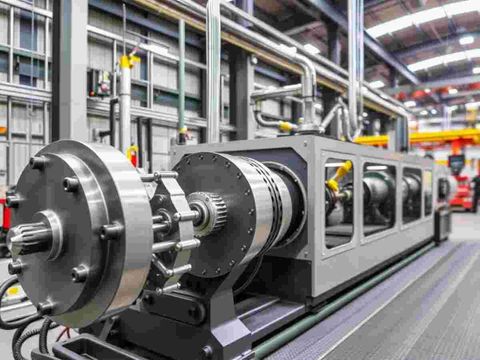
X-ray inspection tools provide a more advanced inspection method by detecting dense foreign objects hidden inside food products. These systems can identify contaminants that traditional metal detectors cannot detect.
They are widely used in packaged foods, dairy products, meat processing, seafood, bakery products, and ready-to-eat meals.
Moisture Measurement Instruments
Moisture content affects freshness, texture, shelf life, and product stability. Moisture analyzers measure water content in grains, powders, spices, dairy products, and processed foods.
Maintaining proper moisture levels helps reduce spoilage and supports consistent product quality.
pH Measurement Tools
Food acidity influences preservation, taste, fermentation, and microbial growth. pH meters measure acidity levels in beverages, dairy products, sauces, pickles, meat products, and fermented foods.
Accurate pH measurement helps maintain food quality and supports safe processing methods.
Surface Hygiene Testing Devices
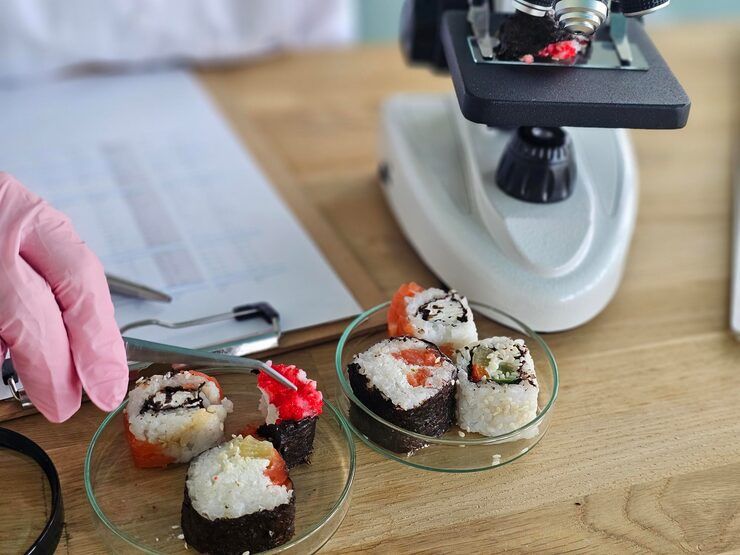
Surface hygiene inspection tools evaluate cleanliness after sanitation procedures. ATP testing devices measure biological residue remaining on equipment, preparation surfaces, and utensils.
These tools help verify whether cleaning procedures have been effective before food production begins.
How Food Inspection Tools Work During Food Production
Food inspection takes place throughout the food production process rather than at a single point. Inspection begins with raw material evaluation and continues until products reach consumers.
Incoming ingredients are inspected for freshness, contamination, moisture levels, and quality consistency. During production, automated inspection systems monitor processing temperatures, packaging quality, and contamination risks.
After packaging, products pass through inspection systems that verify package integrity, label placement, weight consistency, and foreign object detection. During storage and transportation, temperature monitoring tools continue tracking environmental conditions.
This continuous inspection approach helps reduce risks throughout the entire food supply chain instead of relying only on final product testing.
Food Inspection Tools Used in Different Food Industries
Different sectors of the food industry use specialized inspection equipment depending on product characteristics and production requirements.
| Food Industry | Common Inspection Focus |
|---|---|
| Fruit and vegetable processing | Freshness, moisture, pesticide residue screening, sorting quality |
| Meat and poultry | Temperature monitoring, contamination detection, packaging inspection |
| Dairy production | pH testing, microbial testing, storage temperature monitoring |
| Bakery products | Metal detection, moisture analysis, package inspection |
| Seafood processing | Cold chain monitoring, foreign object detection, freshness inspection |
| Beverage manufacturing | pH measurement, fill-level inspection, bottle integrity testing |
Each industry adapts inspection procedures according to food composition, processing methods, and storage requirements.
Digital Technology Is Changing Food Inspection
Food inspection has become increasingly automated over the past few years. Digital technologies now provide faster analysis, continuous monitoring, and real-time reporting.
Smart sensors collect environmental data such as humidity, temperature, and air quality without requiring constant manual measurements. Automated vision systems inspect food appearance, color consistency, shape, and packaging defects using cameras and image recognition software.
Artificial intelligence is increasingly used to identify irregularities in food production. Machine learning systems analyze inspection images, identify unusual patterns, and improve detection accuracy over time.
Cloud-connected inspection systems allow production teams to monitor inspection results across multiple facilities from centralized dashboards. This improves traceability and simplifies reporting during quality audits.
Recent Developments in Food Inspection Technology
The past year has seen continued improvements in food inspection technology across manufacturing and food service industries. Greater emphasis has been placed on automation, sustainability, and digital traceability.
AI-powered visual inspection systems have expanded their ability to identify defects in fruits, vegetables, baked goods, and packaged foods with improved accuracy. These systems help identify damaged products before packaging.
Wireless temperature monitoring has become more common in refrigerated transportation and cold storage facilities. Continuous monitoring provides alerts when storage conditions move outside acceptable ranges.
Portable food inspection devices have also become more accessible for field inspections, restaurants, and smaller food businesses. Compact testing equipment allows inspectors to perform rapid quality checks without relying entirely on laboratory testing.
Food traceability platforms continue integrating inspection records with supply chain management systems, making it easier to document inspection history throughout production and distribution.
Food Inspection and Food Safety Regulations
Food inspection tools support compliance with food safety standards adopted by governments and industry organizations around the world. While regulations differ between countries, the overall goal remains the same: protecting public health through consistent food safety practices.
Inspection tools help businesses document food temperatures, sanitation records, production conditions, ingredient quality, and packaging inspections. Maintaining accurate inspection records supports audits and quality assurance programs.
Food safety systems often include preventive approaches that identify potential hazards before they become food safety incidents. Inspection technology plays an important role in monitoring these preventive controls throughout production.
Rather than replacing good hygiene practices, inspection tools strengthen food safety programs by providing measurable evidence that procedures are working effectively.
Choosing Suitable Food Inspection Tools for Different Needs
The right inspection tools depend on food type, production scale, inspection goals, and operating environment.
Smaller food businesses often prioritize portable temperature monitors, digital thermometers, pH meters, and hygiene testing devices for routine inspections. Larger processing facilities typically require automated inspection systems integrated into production lines.
Important considerations include inspection accuracy, calibration requirements, ease of use, environmental durability, data recording capabilities, and compatibility with existing quality management systems.
Choosing appropriate tools also involves understanding which hazards are most relevant to specific food products. Fresh produce, dairy, frozen foods, beverages, and packaged snacks each require different inspection priorities.
Best Practices for Using Food Inspection Tools Effectively
Inspection tools provide the most reliable results when they are used consistently and maintained properly. Regular calibration ensures measurement accuracy over time and helps prevent incorrect inspection readings.
Cleaning inspection equipment according to manufacturer guidelines reduces contamination risks between inspections. Staff training is equally important because accurate readings depend on proper handling and interpretation of inspection results.
Routine inspection schedules help identify issues before they become larger food safety problems. Recording inspection results creates valuable historical data for identifying recurring patterns and improving production processes.
Combining automated inspection with manual visual inspections provides a balanced approach that improves overall food quality monitoring.
Common Challenges in Food Inspection
Despite technological improvements, food inspection still presents several operational challenges. Different food products vary in texture, density, color, and composition, making inspection methods more complex.
Environmental factors such as humidity, lighting, and production speed can affect inspection accuracy if systems are not configured correctly. Equipment also requires routine maintenance and calibration to maintain reliable performance.
Another challenge involves integrating inspection data from multiple devices into a unified quality management system. As production facilities adopt more digital technologies, data management becomes increasingly important for traceability and reporting.
Ongoing staff training helps ensure inspection technology is used correctly and consistently across production teams.
The Future of Food Inspection Tools
Food inspection technology continues evolving toward faster, smarter, and more connected systems. Artificial intelligence, computer vision, sensor technology, and automation are expected to play increasingly important roles in identifying quality issues during production.
Real-time monitoring systems are becoming more capable of detecting environmental changes immediately, allowing corrective actions before food quality is affected. Predictive analytics may also help identify potential equipment or quality issues before they occur.
Portable inspection tools are expected to become more accurate while remaining easier to use in restaurants, farms, warehouses, and field inspections. Digital traceability systems will likely continue connecting inspection records across the food supply chain.
These developments support safer food production, improved quality consistency, and stronger transparency throughout the food industry.
Conclusion
Food inspection tools have become essential for maintaining food safety, protecting product quality, and supporting reliable food production practices. From simple thermometers and pH meters to advanced X-ray inspection systems and AI-powered visual inspection technologies, these tools help identify risks before food reaches consumers.
As food supply chains grow more complex, inspection technology provides greater accuracy, traceability, and consistency across every stage of production and distribution. Regular monitoring, proper equipment maintenance, and trained personnel work together to create effective food safety systems that benefit both producers and consumers.
Understanding how food inspection tools work helps businesses improve quality control while giving consumers greater confidence in the safety and consistency of the food they consume every day.