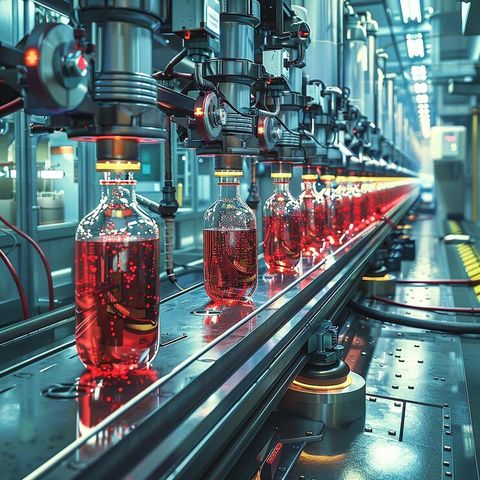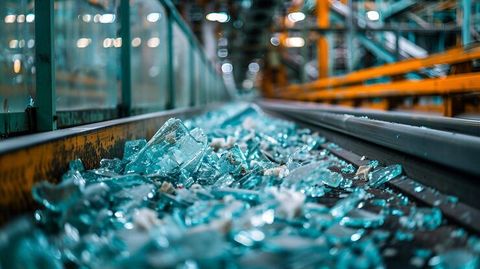
Glass recycling machines have become an essential part of modern waste management and sustainable manufacturing. As industries and communities focus on reducing landfill waste and conserving natural resources, recycling glass has gained significant importance. Instead of sending used bottles, jars, windows, and other glass products to disposal sites, recycling machines process waste glass into reusable materials that can be transformed into new products.
Glass is one of the few materials that can be recycled repeatedly without losing its quality or purity. However, recycling glass efficiently requires specialized equipment capable of sorting, cleaning, crushing, and processing different types of glass safely. Glass recycling machines automate much of this process, making recycling faster, safer, and more consistent than manual methods.
This guide explains what glass recycling machines are, how they work, why they matter, where they are used, recent developments in the industry, environmental regulations, maintenance practices, and the future of glass recycling technology.
Understanding Glass Recycling Machines
A glass recycling machine is industrial equipment designed to process waste glass into reusable raw material known as cullet. Cullet consists of crushed glass fragments that manufacturers use to produce new glass products. Recycling machines handle different stages of processing, from breaking large glass items into smaller pieces to removing contaminants and preparing glass for reuse.
The machines are used in recycling plants, municipal waste processing facilities, manufacturing industries, construction material production, and beverage bottle recycling centers. Depending on the application, recycling systems may consist of a single machine or a complete production line with multiple processing stages.
Glass recycling machines are designed to handle various glass materials, including beverage bottles, food jars, flat glass from buildings, automotive glass, tempered glass, decorative glass, and industrial glass waste.
Why Glass Recycling Matters Today
Glass recycling plays an important role in supporting environmental sustainability and the circular economy. Every recycled glass container reduces the demand for raw materials such as sand, limestone, and soda ash, which are extracted through mining and industrial processing.
Recycling glass also reduces the amount of waste sent to landfills. Since glass does not decompose naturally, discarded glass occupies landfill space for a very long time. Recycling allows this material to remain in continuous use instead of becoming waste.
Industries benefit because recycled cullet melts at lower temperatures than raw materials. This helps reduce energy consumption during manufacturing and contributes to lower greenhouse gas emissions in glass production.
Governments around the world continue expanding recycling programs, encouraging municipalities and businesses to improve waste collection and material recovery. As recycling targets increase, glass recycling machines become increasingly important infrastructure for sustainable waste management.
How Glass Recycling Machines Work
Glass recycling follows a sequence of processing stages that transform mixed waste glass into clean reusable material.
The process begins with collection. Glass bottles, containers, construction glass, and industrial glass waste are gathered from households, businesses, recycling centers, and industrial facilities.
Sorting is the next stage. Glass is separated according to color, type, and contamination level. Some recycling facilities use optical sorting machines equipped with sensors that identify clear, green, brown, or mixed glass automatically.
Cleaning removes labels, bottle caps, plastics, metals, paper, food residue, ceramics, and other contaminants. Clean glass improves the quality of recycled cullet.
Crushing machines then break glass into smaller fragments. Crushers reduce glass into uniform sizes suitable for further processing.
Screening systems separate cullet into different particle sizes. Smaller particles may be used in insulation or construction materials, while larger cullet is supplied to glass manufacturers.
Magnetic separators remove steel and iron contaminants, while air classifiers separate lightweight materials such as paper and plastic.
The final processed cullet is stored or transported for manufacturing new glass products or alternative industrial applications.
Main Types of Glass Recycling Machines
Different recycling machines perform different tasks depending on the recycling process.
Glass Crushers
Glass crushers break bottles, jars, and glass waste into smaller pieces. They reduce storage space, simplify transportation, and prepare glass for recycling. Crushers are widely used in restaurants, hotels, recycling centers, and industrial facilities.
Glass Pulverizers
Pulverizers grind glass into finer particles than crushers. The processed material can be used for fiberglass production, filtration media, abrasives, and industrial fillers.
Glass Shredders
Shredders process larger or irregular glass waste into manageable pieces before crushing. They are suitable for laminated glass, automotive glass, and mixed industrial waste.
Glass Washing Systems
Washing machines clean cullet by removing labels, dirt, adhesives, organic waste, and other contaminants before manufacturing reuse.
Optical Glass Sorting Machines
Optical sorting systems use cameras, lasers, and sensors to identify different colors and remove unwanted materials automatically. These systems improve recycling accuracy and reduce manual labor.
Screening and Separation Machines
These machines classify crushed glass according to particle size while removing unwanted materials through vibration, airflow, or magnetic separation.
Industries That Use Glass Recycling Machines
Glass recycling equipment supports numerous industries beyond traditional bottle recycling.
The beverage industry uses recycled glass to manufacture new bottles and containers while maintaining material quality.
Construction companies recycle window glass, architectural glass, and demolition waste into insulation materials, aggregates, and decorative construction products.
Automotive manufacturers recycle windshields and vehicle glass components after separating laminated layers.
Municipal waste management facilities process household recycling collected from residential and commercial areas.
Manufacturers producing fiberglass, tiles, countertops, road materials, and landscaping products also use recycled glass as a raw material.
Research institutions and specialty manufacturers increasingly explore recycled glass in advanced building materials and sustainable manufacturing processes.
Benefits of Using Glass Recycling Machines
Glass recycling machines provide environmental, operational, and economic advantages by improving the recycling process and reducing waste.
The biggest advantage is efficient resource recovery. Recycling machines transform waste glass into reusable material instead of sending it to landfill sites.
Automation increases processing speed while reducing manual handling of sharp glass fragments. This improves workplace safety and operational consistency.
High-quality cullet helps manufacturers maintain product quality because contaminants are removed before production.
Glass recycling supports energy conservation because recycled glass melts more efficiently than raw material mixtures.
Recycling systems also reduce transportation costs by crushing bulky glass waste into compact material before shipping it for manufacturing.
For municipalities, recycling equipment helps improve recycling rates and supports long-term sustainability goals.
Materials That Can Be Recycled
Glass recycling machines are capable of processing many types of glass, although different materials may require specialized handling.
Container glass from bottles and food jars is among the easiest materials to recycle.
Flat glass includes windows, mirrors, building facades, and architectural panels.
Automotive glass includes windshields, side windows, and rear glass after separating laminated materials.
Tempered glass from appliances, furniture, and electronics may require specialized crushing systems.
Industrial glass includes laboratory glass, manufacturing waste, and production scrap depending on recycling facility capabilities.
Some glass products containing ceramics, heat-resistant additives, or hazardous coatings require separate processing because they have different melting properties.
Environmental Impact of Glass Recycling Technology
Glass recycling machines contribute significantly to environmental protection by supporting circular material use and reducing industrial waste.
Recycling decreases the need for extracting virgin raw materials, helping preserve natural landscapes and reducing mining activity.
Lower energy consumption during manufacturing contributes to reduced carbon emissions associated with glass production.
Reduced landfill waste supports cleaner waste management systems while minimizing long-term environmental impact.
Glass recycling also supports sustainable manufacturing practices by allowing industries to reuse existing materials repeatedly without quality degradation.
Many countries include glass recycling within broader climate action and waste reduction strategies because recycled materials help reduce industrial resource consumption.
Recent Trends in Glass Recycling Technology
Glass recycling technology has continued evolving throughout 2025 and 2026 with improvements in automation, efficiency, and material recovery.
Artificial intelligence has become increasingly common in sorting systems. AI-powered cameras recognize glass colors, contaminants, and material types more accurately than traditional sorting equipment.
Robotic material handling systems help reduce manual labor during waste separation and improve worker safety.
Advanced optical sensors identify ceramics, stones, metals, and plastics mixed with glass waste, increasing cullet purity.
Manufacturers have also introduced energy-efficient crushers and grinding equipment designed to reduce electricity consumption during processing.
Digital monitoring systems now allow recycling facilities to monitor machine performance, maintenance schedules, throughput, and equipment health using industrial sensors and software dashboards.
These innovations help recycling facilities improve productivity while reducing waste and operational downtime.
Safety Standards and Recycling Policies
Glass recycling facilities operate under occupational safety and environmental regulations that vary by region but generally focus on safe material handling and waste processing.
Workers typically use protective equipment when handling glass, including gloves, eye protection, footwear, and protective clothing.
Dust control systems help reduce airborne glass particles during crushing and grinding operations.
Noise reduction measures and enclosed crushing systems improve workplace safety in industrial recycling plants.
Many governments encourage separate collection of glass containers through municipal recycling programs, extended producer responsibility initiatives, and circular economy policies.
Environmental regulations increasingly encourage manufacturers to incorporate recycled glass into production wherever technically feasible.
Maintenance of Glass Recycling Machines
Regular maintenance helps recycling equipment operate safely and efficiently over long production cycles.
Routine inspections identify worn crusher components, conveyor belts, bearings, screens, and cutting systems before failures occur.
Cleaning machines prevents buildup of glass dust, adhesives, labels, and debris that may reduce processing efficiency.
Lubrication of moving parts minimizes wear and helps maintain reliable operation.
Sensor calibration is especially important for automated sorting machines to ensure accurate identification of glass colors and contaminants.
Electrical systems, motors, hydraulic units, and safety switches should also be inspected periodically to maintain consistent machine performance.
Preventive maintenance reduces unexpected downtime and helps recycling facilities maintain continuous operations.
Challenges in Glass Recycling
Although glass is highly recyclable, recycling operations face several practical challenges.
Mixed-color glass requires additional sorting because manufacturers often need specific colors for production.
Contamination from ceramics, stones, plastics, metals, and food waste can reduce recycled glass quality if not removed properly.
Broken glass from demolition projects may contain coatings, laminates, or embedded materials that require specialized processing.
Transportation and collection systems also influence recycling efficiency because improperly sorted waste increases processing complexity.
Modern recycling machines address many of these challenges through automated detection, improved cleaning systems, and advanced separation technologies.
Future of Glass Recycling Machines
The future of glass recycling machines is closely connected to smart manufacturing and sustainable resource management.
Artificial intelligence will continue improving automated sorting accuracy and reducing contamination.
Machine vision systems are expected to recognize increasingly complex glass materials, coatings, and defects during processing.
Energy-efficient motors, intelligent crushers, and predictive maintenance technologies will help recycling facilities reduce operational costs and improve equipment reliability.
More industries are expected to incorporate recycled glass into construction materials, insulation products, road infrastructure, decorative surfaces, and advanced manufacturing applications.
As governments expand circular economy initiatives and recycling targets, demand for efficient glass recycling infrastructure is expected to continue growing across municipal, commercial, and industrial sectors.
Conclusion
Glass recycling machines are an essential technology for converting waste glass into valuable reusable materials while supporting sustainable manufacturing and responsible waste management. By automating sorting, cleaning, crushing, screening, and separation processes, these machines improve recycling efficiency, reduce contamination, conserve natural resources, and help lower environmental impact.
From beverage bottle recycling plants to construction material production and municipal recycling facilities, glass recycling machines serve a wide range of industries that rely on clean recycled cullet for new products. Ongoing developments in automation, artificial intelligence, optical sorting, and energy-efficient processing continue making glass recycling more accurate and environmentally friendly.
As recycling systems become smarter and sustainability remains a global priority, glass recycling machines will continue playing a key role in reducing waste, conserving resources, and supporting a circular economy for future generations.