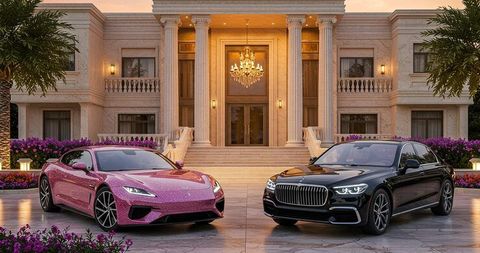
Luxury cars are designed to provide a refined driving experience through a combination of comfort, performance, craftsmanship, technology, and attention to detail. They often feature carefully designed interiors, advanced driver assistance systems, high-quality materials, and engineering focused on both driving enjoyment and passenger comfort.
Unlike vehicles selected primarily for basic transportation, luxury cars often emphasize how people experience every journey. Seat design, cabin noise, suspension quality, climate control, infotainment systems, and driving dynamics all contribute to this experience.
The luxury car segment includes several vehicle types, from executive sedans and premium SUVs to grand touring coupes and high-performance sports cars. Electric luxury vehicles have also expanded the available choices, introducing quiet powertrains, advanced digital features, and new approaches to cabin design.
Understanding these differences helps drivers evaluate luxury vehicles according to their needs rather than relying on brand reputation alone.
What Defines a Luxury Car?
A luxury car is generally distinguished by its combination of interior refinement, engineering quality, comfort, technology, and performance. However, there is no single feature that defines every luxury vehicle, and expectations can differ between manufacturers and markets.
Interior craftsmanship is one important characteristic. Premium vehicles may use carefully finished leather, sustainable upholstery, wood trim, metal accents, or other materials selected for their appearance and durability. The quality of assembly, control placement, and attention to small details can influence the overall experience.
Ride comfort is another defining feature. Many luxury cars use suspension systems designed to absorb road imperfections while maintaining stability. Some models offer adaptive suspension that adjusts damping according to driving conditions or selected modes.
Technology also contributes to the experience. Digital instrument displays, navigation systems, smartphone connectivity, advanced audio systems, and driver assistance features can make driving more convenient when they are designed and integrated effectively.
Ultimately, luxury is a combination of characteristics rather than a particular badge or specification.
Types of Luxury Cars
Luxury Sedans
Luxury sedans are designed for comfortable everyday driving, business travel, and longer journeys. They typically offer enclosed passenger cabins, supportive seating, and a balance between ride quality and handling.
Executive sedans often emphasize rear-seat comfort, quiet interiors, and smooth highway performance. Depending on the model, they may include adjustable seats, rear climate controls, advanced sound insulation, and sophisticated suspension systems.
Sedans can be suitable for drivers who prefer a lower seating position, predictable handling, and a more streamlined vehicle shape.
Luxury SUVs
Luxury sport utility vehicles combine premium interior features with a higher seating position and versatile passenger or cargo space. Depending on the design, they may accommodate families, luggage, recreational equipment, or additional passengers.
Many luxury SUVs include all-wheel drive, advanced traction systems, and selectable driving modes. However, not every model is intended for serious off-road use, so ground clearance, tires, and drivetrain capabilities should be evaluated carefully.
Because SUVs can be larger and heavier than sedans, buyers should consider parking requirements, maneuverability, fuel or electricity consumption, and visibility in crowded urban environments.
Luxury Sports Cars and Grand Tourers
Luxury sports cars prioritize driving engagement, acceleration, handling, and distinctive styling. They may feature powerful engines, responsive steering, specialized braking systems, and performance-oriented suspension settings.
Grand touring cars generally combine performance with comfort for longer journeys. Their interiors may provide more storage and passenger space than a dedicated sports car, although practicality varies significantly by model.
These vehicles may be best suited to drivers who value driving dynamics and are comfortable with compromises in rear-seat space, ground clearance, or everyday usability.
Electric Luxury Cars
Electric luxury cars use battery-powered electric motors instead of conventional internal combustion engines for propulsion. They often provide smooth acceleration, quiet operation, and a spacious cabin layout made possible by different powertrain packaging.
Some models offer advanced navigation, connected vehicle features, regenerative braking, and sophisticated energy management systems.
When evaluating an electric luxury car, consider real-world driving range, charging access, battery warranty, charging speed, climate effects, and the availability of suitable charging infrastructure along regular routes.
Important Features to Consider
Interior Comfort and Materials
Comfort depends on more than the appearance of a cabin. Seat shape, lumbar support, adjustment range, headroom, legroom, and ease of entering or leaving the vehicle all affect daily usability.
Climate control, cabin air filtration, ventilation, and heating features can improve comfort in different weather conditions. Rear passengers may benefit from separate controls and additional seating adjustments.
Materials should be evaluated for both appearance and practicality. Some finishes require careful maintenance, while certain upholstery options may be easier to clean and better suited to frequent family use.
Engine Performance and Driving Quality
Luxury vehicles use different powertrains, including petrol engines, diesel engines in some markets, hybrid systems, plug-in hybrids, and fully electric drivetrains.
Performance should be assessed in the context of intended use. Smooth acceleration, predictable braking, stable handling, and sufficient power for highway driving may be more useful for everyday travel than maximum acceleration alone.
Transmission behavior, steering response, suspension tuning, and tire selection also influence driving quality. A test drive on familiar road types can help reveal whether the vehicle feels comfortable and manageable.
Safety and Driver Assistance
Modern luxury cars may include automatic emergency braking, blind-spot monitoring, lane departure warnings, adaptive cruise control, parking assistance, and surround-view cameras.
These systems can support driver awareness, but their availability and capabilities vary by vehicle and trim. Some features operate only under specific conditions, and sensors may be affected by weather, dirt, or road markings.
Drivers should understand system limitations and continue to monitor the road. Independent crash-test results and the availability of important passive safety features can provide additional information when comparing vehicles.
Infotainment and Connectivity
Infotainment systems combine entertainment, navigation, communication, and vehicle settings. Common features include touchscreen displays, voice controls, smartphone integration, digital instrument clusters, and connected services.
A well-designed system should be easy to understand without creating unnecessary distractions. Physical controls for frequently used functions may be helpful, especially while driving.
It is also useful to check software update policies, smartphone compatibility, subscription requirements, and whether connected services depend on regional network availability.
Understanding Luxury Car Ownership
Choosing a luxury vehicle involves considering the entire ownership experience, not just the initial driving impression.
Maintenance requirements vary according to the model, powertrain, driving conditions, and manufacturer schedule. Specialized components, electronic systems, performance tires, and complex suspension systems may require particular expertise.
Before making a decision, review the maintenance schedule, warranty terms, roadside assistance arrangements, and availability of qualified technicians. For electric vehicles, battery coverage and local charging facilities deserve additional attention.
Insurance requirements can also differ depending on the vehicle's performance, repair complexity, safety equipment, and local regulations. Prospective owners should understand the applicable coverage and exclusions.
Depreciation is another factor. Vehicle values can change according to age, mileage, demand, condition, technology updates, and the wider automotive market. Resale expectations should therefore be treated as uncertain rather than guaranteed.
A complete ownership assessment helps drivers determine whether a particular vehicle suits their long-term needs.
How to Choose the Right Luxury Car
Start by identifying how the vehicle will be used. Daily urban commuting may favor a manageable sedan or compact luxury SUV, while frequent family travel may require additional passenger space and luggage capacity.
Next, consider the driving environment. Narrow streets, limited parking, uneven roads, and long highway journeys create different requirements. A vehicle that feels comfortable on open roads may be less convenient in a crowded city.
Compare essential features rather than focusing exclusively on optional equipment. Safety systems, seat comfort, visibility, climate control, and reliable connectivity can influence everyday satisfaction more than decorative upgrades.
Arrange a test drive whenever possible. Check acceleration, braking, steering, cabin noise, visibility, seat adjustment, and ease of using the infotainment system. If other family members will regularly travel in the car, their comfort should also be considered.
For used luxury cars, review service records, accident history where available, vehicle identification details, diagnostic findings, and the condition of major mechanical and electronic components. An independent professional inspection can help identify issues that are difficult to detect during a short drive.
Luxury Cars and Changing Automotive Technology
The luxury automotive industry continues to evolve through electrification, software development, advanced materials, and improved driver assistance technologies.
Hybrid and electric powertrains are changing expectations around acceleration, noise, energy efficiency, and vehicle maintenance. Digital interfaces and connected features are also becoming increasingly important to the driving experience.
At the same time, traditional priorities remain relevant. Comfortable seating, reliable engineering, practical storage, good visibility, and durable materials continue to influence how well a vehicle performs in everyday life.
Technology should be evaluated according to its usefulness, reliability, and ease of operation rather than its novelty alone.
Conclusion
Luxury cars combine comfort, design, engineering, performance, and technology to create a more refined driving experience. Sedans, SUVs, sports cars, grand tourers, and electric models each offer different advantages, making it important to understand how a vehicle fits individual requirements.
By comparing safety features, interior quality, driving behavior, maintenance needs, and long-term ownership considerations, drivers can make more informed decisions. The most suitable luxury car is ultimately one that provides the right balance of comfort, practicality, performance, and dependable everyday use.