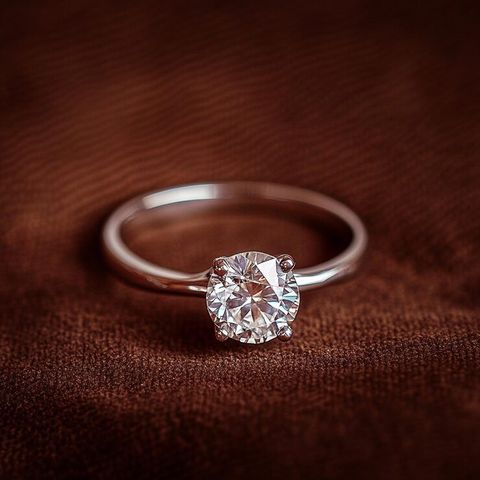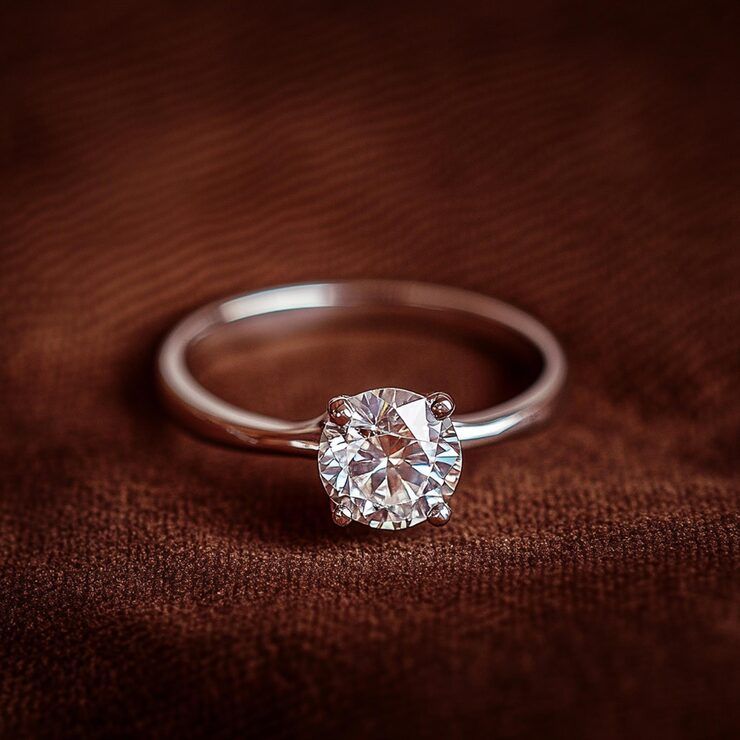
A solitaire engagement ring is one of the most recognized and timeless styles of engagement jewelry. It features a single center gemstone, usually a diamond, designed to be the focal point of the ring. Its simple appearance allows the beauty, shape, and brilliance of the stone to stand out without distraction.
For generations, solitaire engagement rings have remained a popular choice because they combine elegance with versatility. They suit different fashion styles, occasions, and personal preferences while maintaining a classic look that rarely goes out of style. Whether someone prefers a traditional round diamond or a modern oval shape, the solitaire design highlights the individual character of the gemstone.
This guide explains what solitaire engagement rings are, how they are designed, the different styles available, how to choose one, and how to care for it over time.
What Is a Solitaire Engagement Ring?
A solitaire engagement ring is a ring that features one primary gemstone mounted on a plain or minimally decorated band. The center stone becomes the main visual element, creating a clean and balanced design.
Unlike rings with multiple stones, halos, or side diamonds, a solitaire setting emphasizes simplicity. The band may be crafted from different precious metals, while the gemstone can vary in shape and size depending on personal preference.
The popularity of solitaire rings comes from their timeless design and their ability to complement different jewelry styles without appearing overly decorative.
Why Solitaire Engagement Rings Remain Popular
The appeal of solitaire engagement rings goes beyond fashion trends. Their balanced design and symbolic meaning make them suitable for many generations.
A solitaire ring represents commitment through one central stone, often interpreted as a symbol of unity and enduring love. Because the design is minimal, it pairs easily with wedding bands and everyday jewelry.
Another reason for their lasting popularity is flexibility. Solitaire rings look elegant with both casual and formal clothing, making them practical for daily wear while still feeling special during important occasions.
Their classic appearance also means they adapt well to changing fashion preferences over time.
Understanding the Main Elements of a Solitaire Ring
Every solitaire engagement ring has several important design elements that influence its appearance and comfort.
The Center Stone
The center gemstone is the defining feature of a solitaire ring. Diamonds remain the most common choice because of their durability and brilliance, although other gemstones may also be used.
The cut of the stone plays an important role in how much light it reflects. A well-cut stone often appears brighter and more sparkling than one with a less balanced cut.
The Band
The band supports the center stone and contributes to the overall style. Bands can be thin, medium, or wide depending on personal taste and finger shape.
A thinner band often creates the appearance of a larger center stone, while a wider band provides a more substantial and modern look.
The Setting
The setting holds the gemstone securely in place. Different settings change both the appearance and protection of the stone.
A well-designed setting balances visibility with durability for everyday use.
Popular Diamond Shapes for Solitaire Engagement Rings
The shape of the center diamond significantly changes the personality of a solitaire ring.
Round Brilliant
The round brilliant cut is the most classic option. It is known for its exceptional sparkle because its facets are designed to maximize light reflection.
It suits almost every ring style and remains one of the most versatile choices.
Oval
Oval diamonds offer an elegant elongated appearance that can make fingers appear longer. They combine classic brilliance with a contemporary silhouette.
Princess
Princess-cut diamonds feature a square shape with sharp corners and a modern geometric appearance. They provide strong brilliance while offering a distinct alternative to round diamonds.
Emerald
Emerald-cut diamonds have rectangular facets that create a sophisticated hall-of-mirrors effect rather than intense sparkle.
They appeal to people who prefer understated elegance.
Cushion
Cushion-cut diamonds combine rounded corners with a square or rectangular shape. They provide a softer vintage-inspired appearance while maintaining excellent brilliance.
Pear and Marquise
Pear-shaped and marquise diamonds create unique silhouettes that appear elongated and elegant. These shapes often appeal to individuals looking for something distinctive while remaining timeless.
Common Solitaire Ring Settings Explained
The setting influences both appearance and security.
Prong Setting
The prong setting is the most recognizable solitaire design. Small metal prongs hold the gemstone while allowing maximum light exposure.
Four-prong and six-prong variations each provide different visual and security benefits.
Bezel Setting
A bezel setting surrounds the gemstone with a thin metal rim.
This style offers greater protection against impacts and creates a sleek modern appearance suitable for active lifestyles.
Cathedral Setting
A cathedral setting raises the gemstone using arches that extend from the band toward the center stone.
This creates a graceful profile while adding structural support.
Tension-Inspired Setting
A tension-inspired setting creates the illusion that the stone is suspended between the band.
Although visually striking, it still uses engineered support to hold the gemstone securely.
Choosing the Right Metal for a Solitaire Ring
The choice of metal affects appearance, durability, and overall style.
White Gold
White gold offers a bright, modern appearance that complements diamonds beautifully. It pairs well with contemporary and minimalist styles.
Yellow Gold
Yellow gold creates a warm traditional appearance and has remained a classic jewelry choice for centuries.
It complements both vintage and modern solitaire designs.
Rose Gold
Rose gold features a soft pink hue created through alloy composition.
Its warm color creates a romantic appearance while complementing many skin tones.
Platinum
Platinum is naturally white, durable, and resistant to everyday wear.
Its strength makes it a popular option for securely holding gemstones over long periods.
Understanding Diamond Quality in Solitaire Rings
Diamond quality is commonly evaluated through four characteristics that work together rather than independently.
Cut
Cut influences how effectively a diamond reflects light.
A well-cut diamond generally appears brighter and more lively.
Color
Diamond color ranges from colorless to warmer tones.
Different metal colors can complement different diamond color grades.
Clarity
Clarity refers to natural internal or external characteristics within a diamond.
Many clarity characteristics are not visible without magnification.
Carat Weight
Carat measures the weight of a diamond rather than its visual size alone.
Different shapes may appear larger or smaller even when they share the same carat weight.
How to Choose a Solitaire Engagement Ring
Choosing a solitaire ring involves balancing personal style, comfort, and long-term practicality.
Finger shape often influences which diamond shapes appear most balanced. Elongated shapes such as oval, pear, or marquise can create a lengthening effect, while round and cushion cuts provide a softer appearance.
Lifestyle also matters. Someone with an active routine may prefer a lower-profile or bezel setting for additional protection, while others may prioritize maximum visibility through a prong setting.
The ring should also feel comfortable enough for everyday wear without catching excessively on clothing or other objects.
Solitaire Engagement Rings and Wedding Bands
One reason solitaire rings remain popular is their compatibility with many wedding band styles.
A plain metal wedding band creates a traditional matching look, while diamond wedding bands add additional sparkle without overwhelming the solitaire center stone.
Curved wedding bands are designed to fit closely around elevated solitaire settings, creating a seamless appearance when both rings are worn together.
Because solitaire rings are visually simple, they pair well with both classic and contemporary wedding bands.
Modern Trends in Solitaire Engagement Rings
While solitaire rings remain timeless, several design trends have become increasingly popular over the past year.
Elongated diamond shapes such as oval and elongated cushion continue to attract attention because of their elegant proportions.
Hidden halo settings place small diamonds beneath the center stone rather than surrounding it from above, adding subtle brilliance without changing the solitaire appearance.
East-west settings rotate elongated diamonds horizontally across the finger, creating a fresh modern interpretation of the traditional solitaire style.
Minimalist bands with clean lines also remain popular for people who prefer understated jewelry.
How Ring Size and Proportions Affect Appearance
Ring size influences both comfort and appearance.
A properly fitted ring should slide over the knuckle with slight resistance while remaining secure during everyday movement.
Band width also changes visual proportions. Slim bands emphasize the center stone, while wider bands create a bolder overall look.
The height of the setting affects comfort, especially for people who frequently use their hands throughout the day.
Trying different proportions helps identify a balance between elegance and practicality.
Caring for a Solitaire Engagement Ring
Regular care helps maintain the brilliance and condition of a solitaire ring.
Cleaning the ring periodically removes oils, lotions, and everyday residue that reduce sparkle. Mild soap and warm water with a soft brush are commonly used for gentle cleaning.
Professional inspections are helpful for checking prongs and settings over time, especially if the ring is worn daily.
Avoid exposing the ring to harsh chemicals during household cleaning, swimming, or other activities where chemicals may affect the metal finish.
Storing the ring separately from other jewelry also helps reduce scratches.
Common Myths About Solitaire Engagement Rings
Several misconceptions surround solitaire engagement rings.
One common myth is that solitaire rings are too simple. In reality, the simplicity is intentional because it emphasizes the beauty of the center stone and allows the ring to remain versatile across changing fashion trends.
Another misconception is that only round diamonds work well in solitaire settings. Many shapes, including oval, emerald, princess, pear, marquise, and cushion, are widely used in solitaire designs.
Some also believe solitaire rings require constant maintenance because the stone is exposed. While regular inspections are recommended, well-crafted settings are designed for secure everyday wear.
Are Solitaire Engagement Rings Suitable for Everyday Wear?
Yes, solitaire engagement rings are generally designed for everyday use when crafted with durable materials and secure settings.
The simplicity of the design often makes them easier to pair with daily outfits, watches, bracelets, and wedding bands. Choosing an appropriate setting and maintaining the ring through periodic inspections helps support long-term wear.
People with highly active lifestyles may prefer protective settings or lower-profile designs, while others may prioritize maximum visibility of the gemstone.
Frequently Asked Questions
What makes a solitaire engagement ring different from other engagement rings?
A solitaire engagement ring features one central gemstone as the primary focus, without additional side stones dominating the design.
Which diamond shape is most common for solitaire rings?
Round brilliant diamonds are the most traditional choice, although oval, princess, emerald, cushion, pear, and marquise shapes are also popular.
Which metal works best for a solitaire engagement ring?
White gold, yellow gold, rose gold, and platinum each offer different visual styles and durability characteristics. The best choice depends on personal preference and lifestyle.
Can solitaire engagement rings be worn with wedding bands?
Yes. Solitaire rings pair well with plain metal bands, diamond bands, and curved wedding bands because of their versatile design.
How often should a solitaire engagement ring be cleaned?
Regular gentle cleaning helps maintain brilliance, while periodic professional inspections help ensure the setting remains secure.
Conclusion
Solitaire engagement rings remain one of the most timeless and versatile engagement ring styles because they combine elegance, simplicity, and everyday practicality. Their single center stone allows the natural beauty of the gemstone to take center stage while offering flexibility in metal choices, diamond shapes, and setting styles.
Understanding the key elements of a solitaire ring—from diamond cut and setting type to band proportions and maintenance—helps readers make informed decisions based on personal style and daily wear needs. Whether someone prefers a classic round brilliant diamond or a modern oval or emerald cut, the solitaire design continues to offer a refined and enduring choice that fits a wide range of preferences and occasions.