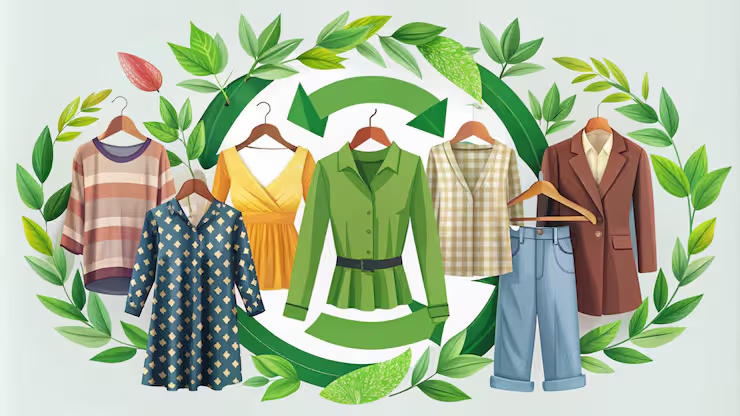
Fashion is a part of everyday life, but the way clothes are produced has become an important topic around the world. As people learn more about environmental challenges and responsible consumption, sustainable fashion has become a growing movement rather than a passing trend. Today, many fashion brands are focusing on creating clothing that considers the environment, workers, and long-term resource use.
Sustainable fashion brands aim to reduce the negative impact of clothing production by using better materials, improving manufacturing practices, reducing waste, and encouraging longer product life cycles. For consumers, sustainable fashion is not just about buying different clothes—it is about making informed choices that support quality, durability, and responsible production.
This guide explains what sustainable fashion brands are, why they matter, how to recognize them, and what trends are shaping the future of sustainable fashion in 2026.
What Are Sustainable Fashion Brands?
Sustainable fashion brands are clothing companies that focus on reducing environmental and social impacts throughout the fashion supply chain. They consider how raw materials are sourced, how garments are manufactured, how workers are treated, and how products are used and recycled after their life cycle.
Unlike traditional fast fashion, sustainable fashion encourages thoughtful production and consumption. The goal is to create clothing that lasts longer, uses fewer natural resources, and minimizes waste.
Sustainability in fashion includes environmental responsibility, ethical labor practices, responsible sourcing, transparency, and product durability. Many brands publish information about their materials, production methods, and sustainability goals so customers can better understand how products are made.
Rather than following rapidly changing fashion cycles, sustainable brands often focus on timeless designs, higher-quality fabrics, and long-lasting garments that remain useful for years.
Why Sustainable Fashion Matters Today
The fashion industry is one of the world's largest manufacturing industries and uses significant amounts of water, energy, and raw materials. Clothing production also generates textile waste, carbon emissions, and pollution when products are manufactured, transported, and discarded.
Sustainable fashion matters because it addresses several important challenges at once. It helps reduce environmental impact while encouraging more responsible production and consumption habits.
Consumers today are also paying more attention to where their clothes come from. Many people want products that align with values such as environmental protection, fair working conditions, and responsible sourcing.
Another reason sustainable fashion has gained attention is the growing concern about textile waste. Millions of garments are discarded every year, many of which end up in landfills. Sustainable brands promote recycling, repairing, and reusing clothing to extend product life and reduce unnecessary waste.
Key Principles Behind Sustainable Fashion
Sustainable fashion is built on several interconnected principles that guide responsible clothing production.
Environmentally Responsible Materials
Many sustainable brands choose fabrics that have a lower environmental footprint compared to conventional alternatives. These materials often require fewer resources or are recycled from existing products.
Common sustainable materials include organic cotton, recycled polyester, hemp, linen, TENCEL fibers, bamboo fabrics produced through responsible processes, and recycled wool.
These materials help reduce resource consumption while supporting more environmentally responsible manufacturing practices.
Ethical Manufacturing
Sustainability also includes the people involved in making clothing. Ethical manufacturing focuses on safe working conditions, fair wages, worker well-being, and transparent supply chains.
Brands that prioritize ethical manufacturing often work closely with certified factories and publish information about labor standards and workplace policies.
Durability and Longevity
One of the simplest sustainability practices is producing clothing that lasts longer. Durable garments reduce the need for frequent replacements, helping lower waste and resource use over time.
Quality stitching, stronger fabrics, timeless styles, and repairable designs all contribute to longer-lasting clothing.
Transparency
Transparency helps consumers understand how clothing is made. Many sustainable brands share details about sourcing, manufacturing locations, environmental goals, and material certifications.
This openness allows customers to make better-informed purchasing decisions.
How Sustainable Fashion Brands Reduce Environmental Impact
Sustainable brands often improve environmental performance across multiple stages of production rather than relying on one single practice.
Better Material Sourcing
Responsible sourcing includes choosing renewable, recycled, or lower-impact fibers. It may also involve reducing pesticide use, protecting biodiversity, and supporting regenerative farming methods.
Water Conservation
Traditional textile production can use large amounts of water. Sustainable brands increasingly use water-efficient dyeing techniques, recycled water systems, natural dye alternatives, and improved irrigation practices for natural fibers.
Lower Carbon Emissions
Many brands are working toward reducing greenhouse gas emissions by improving manufacturing efficiency, using renewable energy, shortening transportation routes, and optimizing packaging.
Waste Reduction
Waste reduction includes recycling fabric scraps, designing patterns that minimize leftover material, creating products from recycled textiles, and encouraging garment repair and resale.
These approaches support a more circular fashion system where materials stay in use longer.
Common Materials Used in Sustainable Clothing
Different sustainable materials serve different purposes depending on clothing type, durability needs, and environmental considerations.
Material | Why It Is Used in Sustainable Fashion |
| Organic Cotton | Uses farming practices designed to reduce synthetic chemicals and improve soil health. |
| Recycled Polyester | Made from recycled plastic materials, helping reduce plastic waste and virgin petroleum use. |
| Hemp | Requires relatively less water and grows quickly with fewer agricultural inputs. |
| Linen | Made from flax plants, which generally require fewer resources than many conventional fibers. |
| TENCEL Lyocell | Produced using a closed-loop manufacturing process that helps recover solvents during production. |
| Recycled Wool | Extends the life of existing wool fibers and reduces demand for newly produced materials. |
Understanding these materials helps consumers recognize sustainability claims more accurately.
How to Identify Genuine Sustainable Fashion Brands
As sustainable fashion becomes more popular, many brands use environmental language in marketing. Learning how to evaluate sustainability claims helps consumers make informed decisions.
A genuinely sustainable brand usually explains where materials come from, how products are manufactured, and what environmental goals it follows. Clear information about certifications, supply chains, labor standards, and sustainability reports often indicates greater transparency.
Consumers can also look for details about recycled content, repair programs, product recycling initiatives, and long-term environmental commitments.
Instead of relying on general claims, it is useful to examine whether a brand provides measurable information about its sustainability efforts.
Sustainable Fashion vs Fast Fashion
Sustainable fashion and fast fashion represent different approaches to clothing production and consumption.
Sustainable Fashion | Fast Fashion |
| Focuses on long-lasting clothing. | Focuses on rapidly changing trends. |
| Encourages responsible production. | Prioritizes high-volume manufacturing. |
| Uses environmentally conscious materials where possible. | Often relies on conventional resource-intensive materials. |
| Supports repair, reuse, and recycling. | Shorter product life cycles are more common. |
| Emphasizes transparency and ethical practices. | Supply chain transparency varies widely. |
The comparison shows how sustainability focuses on reducing long-term environmental and social impacts rather than increasing clothing consumption.
Sustainable Fashion Trends in 2026
The sustainable fashion industry continues evolving through innovation, technology, and changing consumer expectations.
Circular Fashion Models
More brands now design clothing with reuse, repair, recycling, and resale in mind. Circular fashion aims to keep materials in use for as long as possible before recycling them into new products.
Recycled and Regenerative Materials
Brands are expanding the use of recycled fabrics alongside regenerative agriculture practices that improve soil health while producing natural fibers.
Digital Product Passports
Some companies are introducing digital product information that helps consumers learn about materials, manufacturing, repair instructions, and recycling guidance throughout a garment's life cycle.
Low-Impact Manufacturing Technologies
Manufacturers continue investing in water-saving dye technologies, renewable energy-powered factories, improved textile recycling systems, and AI-supported production planning to reduce waste.
Second-Life Fashion Programs
Many brands now support clothing repair, refurbishment, resale platforms, and garment take-back initiatives that extend product life instead of encouraging disposal.
Benefits of Choosing Sustainable Clothing
Choosing sustainable clothing offers benefits that extend beyond environmental awareness.
Higher-quality garments often remain wearable for longer periods, reducing frequent replacement. Responsible manufacturing practices may also improve product consistency and durability.
Consumers who choose sustainable clothing often become more aware of fabric quality, garment care, and long-term wardrobe planning. Instead of purchasing large quantities of clothing, many people build versatile wardrobes with timeless pieces.
Sustainable clothing also encourages better care habits, including repairing damaged garments, washing clothes more efficiently, and donating or recycling items that are no longer needed.
Challenges Facing Sustainable Fashion Brands
Although sustainable fashion continues growing, the industry still faces several challenges.
Supply chains remain complex because clothing production often involves multiple countries and suppliers. Tracking environmental and labor standards across every stage requires significant transparency.
Recycling textiles is another challenge because blended fabrics can be difficult to separate into reusable materials. Researchers continue developing technologies that improve textile recycling efficiency.
Consumer education is equally important. Sustainability includes many concepts such as carbon emissions, water use, ethical labor, and circular production, which can sometimes be confusing without clear information.
Balancing innovation, affordability, and environmental responsibility also remains an ongoing goal for many brands.
How Consumers Can Build a More Sustainable Wardrobe
Sustainable fashion is not only about choosing certain brands. Everyday habits also contribute to reducing environmental impact.
A more sustainable wardrobe starts with thoughtful purchasing decisions. Choosing clothing that fits well, serves multiple occasions, and lasts through regular use can reduce unnecessary consumption.
Proper garment care also makes a difference. Washing clothes according to care instructions, air drying when appropriate, storing garments correctly, and repairing minor damage can extend clothing life.
Donating wearable clothing, recycling textiles through appropriate programs, and exploring second-hand fashion options also help keep clothing in circulation longer.
These habits support sustainability regardless of clothing style or personal fashion preferences.
The Future of Sustainable Fashion
The future of sustainable fashion is expected to focus on innovation, transparency, and circular design. Advances in textile recycling, biodegradable materials, renewable manufacturing energy, and digital supply chain tracking continue shaping the industry.
Artificial intelligence is also helping brands forecast demand more accurately, reducing excess production and inventory waste. New manufacturing technologies are improving resource efficiency while supporting more responsible production processes.
As governments, businesses, and consumers place greater emphasis on environmental responsibility, sustainable fashion is likely to become a standard consideration rather than a specialized market segment.
The industry's long-term direction centers on creating clothing that respects natural resources, supports responsible manufacturing, and encourages longer product life cycles.
Conclusion
Sustainable fashion brands represent a broader shift toward responsible clothing production and consumption. They focus on reducing environmental impact, improving transparency, using lower-impact materials, and encouraging durable clothing that stays useful for longer.
Understanding sustainable fashion helps consumers make informed wardrobe choices based on quality, longevity, and responsible production rather than short-term trends. While sustainability continues evolving through new materials and technologies, its core principles remain consistent: reducing waste, protecting resources, and creating a fashion system that is more mindful of both people and the environment.
As sustainable fashion grows in 2026 and beyond, informed consumers will play an important role in supporting practices that encourage longer-lasting clothing, responsible manufacturing, and a more circular future for the fashion industry.