Bangkok is a city where historic temples, modern shopping districts, busy markets, riverside neighborhoods, and contemporary attractions exist side by side. As the capital of Thailand, it is an important destination for travelers interested in culture, food, architecture, entertainment, and urban experiences.
Planning a trip to Bangkok becomes easier when you understand the city's main areas, transportation options, cultural customs, and the best ways to organize your time. This guide explains the essentials for first-time visitors while also offering useful ideas for travelers who want to explore beyond the most familiar attractions.
Understanding Bangkok Before You Visit
Bangkok is a large and energetic city with a mix of traditional and modern environments. The Chao Phraya River runs through the city and has played an important role in its development. Around the river and in the historic center, visitors can find several of Bangkok's most significant temples and cultural landmarks.
Other parts of the city have a distinctly modern character. Areas such as Sukhumvit, Siam, Silom, and Ratchada feature shopping centers, restaurants, offices, hotels, entertainment venues, and convenient public transportation.
Because Bangkok is spread across a large area, choosing where to stay and planning activities by neighborhood can make a significant difference to the travel experience.
Best Places to Explore in Bangkok
Bangkok offers attractions for different interests, from historical landmarks to modern city experiences.
Grand Palace and Wat Phra Kaew
The Grand Palace is one of Bangkok's best-known historical landmarks. The complex has played an important role in Thailand's royal history and includes Wat Phra Kaew, also known as the Temple of the Emerald Buddha.
Visitors should dress respectfully when visiting important religious and cultural sites. Clothing that covers the shoulders and knees is generally appropriate.
Wat Arun
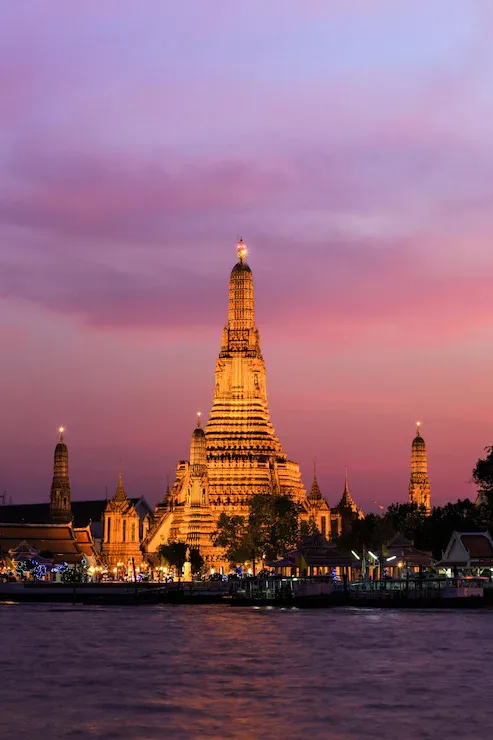
Located near the Chao Phraya River, Wat Arun is recognized for its distinctive architectural design and riverside setting. Its central tower is decorated with detailed patterns and offers an impressive example of traditional Thai craftsmanship.
The temple can be especially interesting when combined with a visit to other riverside attractions.
Wat Pho
Wat Pho is famous for its large reclining Buddha and is also associated with traditional Thai massage and education. Its extensive collection of religious structures and decorative details makes it an important cultural stop.
Chao Phraya River
The river provides another perspective of Bangkok. River transportation can connect several attractions while allowing travelers to observe historic communities, temples, bridges, and modern developments along the waterfront.
Chatuchak Weekend Market
Chatuchak is one of Bangkok's largest markets and is known for its extensive collection of stalls. Depending on the section, visitors may encounter clothing, crafts, household items, food, plants, artwork, and other products.
The market is large, so comfortable clothing and a simple plan can make exploration easier.
Choosing the Right Bangkok Neighborhood
Where you stay can influence how easily you reach attractions and transportation.
Sukhumvit: A convenient area with extensive restaurants, shopping, nightlife, and access to the BTS Skytrain.
Siam: Suitable for travelers interested in major shopping centers, modern attractions, and central transportation connections.
Silom: A mixed business and residential district with restaurants, markets, parks, and convenient access to public transportation.
Old Bangkok: A good choice for travelers who want closer access to historic landmarks such as the Grand Palace, Wat Pho, and Wat Arun.
Riverside: Useful for travelers interested in river views, cultural landmarks, and a more scenic urban environment.
Rather than choosing an area only because it is popular, consider the attractions you want to visit and the transportation available nearby.
Getting Around Bangkok
Bangkok's transportation network includes rail systems, buses, taxis, motorcycle taxis, river boats, and local three-wheeled vehicles known as tuk-tuks.
The BTS Skytrain and MRT provide some of the easiest ways to travel between major commercial and residential areas. They can be particularly useful during busy periods when road traffic becomes slow.
Taxis can be practical when traveling with luggage or when public transportation does not reach the desired destination directly. Travelers should check the fare arrangement before starting a journey and use reputable transportation options.
Tuk-tuks are a recognizable part of Bangkok's street environment and can be an interesting experience. Travelers should agree on the fare before the journey if a metered system is not being used.
For short distances, walking can also be enjoyable, although Bangkok's heat and humidity should be considered when planning long walks.
Bangkok Food and Local Dining
Food is an important part of the Bangkok experience. The city offers traditional Thai dishes alongside regional cuisines and international dining.
Popular dishes to look for include pad Thai, green curry, tom yum, som tam, mango sticky rice, and various noodle and rice dishes. Street food is also an important part of Bangkok's culinary culture.
When trying unfamiliar foods, visitors can consider busy food areas with strong local activity and good food-handling practices. Travelers with allergies or dietary restrictions should clearly communicate their requirements before ordering.
Bangkok also has modern food courts, restaurants, markets, and neighborhood eateries, giving visitors many ways to experience Thai cuisine.
Understanding Bangkok's Culture and Etiquette
Respect for local customs can make interactions more comfortable.
Temples and religious locations generally require modest clothing. Visitors should follow posted instructions, remove footwear when required, and avoid inappropriate behavior around religious objects.
The traditional Thai greeting, known as the wai, involves placing the palms together and making a slight gesture of respect. Visitors do not need to use it in every situation, but understanding its cultural importance is useful.
It is also important to treat images and representations of the Thai royal family respectfully and follow local laws and customs.
A calm and polite approach is generally appreciated when communicating with locals, particularly when dealing with unfamiliar situations.
When to Visit Bangkok
Bangkok has a tropical climate, with warm conditions throughout much of the year. Weather patterns can influence how comfortable outdoor sightseeing feels.
The cooler and generally drier period is often considered more comfortable for extensive sightseeing. The hotter months can make midday activities more challenging, while rainy periods may bring short or prolonged rainfall depending on weather conditions.
Instead of planning an entire day around outdoor attractions, travelers can combine temples and markets with indoor activities such as museums, shopping centers, restaurants, and cultural venues.
Checking the weather forecast before each day's activities can help with clothing and scheduling decisions.
Practical Tips for First-Time Visitors
A few simple preparations can make a Bangkok trip easier:
- Keep digital and physical copies of important travel documents.
- Carry water, especially during extended outdoor sightseeing.
- Use reliable transportation and confirm destinations before traveling.
- Keep valuables secure in crowded areas.
- Dress appropriately when visiting temples.
- Allow extra travel time during busy road periods.
- Carry a small amount of local currency for situations where electronic payment may not be available.
- Learn a few basic Thai expressions as a courtesy.
- Check opening days and visitor requirements before visiting major attractions.
It is also useful to avoid planning too many distant attractions on the same day. Bangkok's size and traffic can make a relaxed itinerary more practical than trying to cover everything quickly.
Suggested Bangkok Itinerary
For a first visit, a three-day plan can provide a balanced introduction.
Day 1: Explore the historic area, including the Grand Palace, Wat Phra Kaew, Wat Pho, and Wat Arun. Add a Chao Phraya River journey if time allows.
Day 2: Explore central Bangkok around Siam and Sukhumvit. Combine shopping centers, museums, restaurants, and neighborhood exploration.
Day 3: Visit a market or another cultural attraction, then spend time exploring a neighborhood that matches your interests. The evening can be used for riverside sightseeing or local dining.
Travelers staying longer can add museums, parks, markets, cultural performances, day trips, and less-touristed neighborhoods.
Frequently Asked Questions
How many days are enough for Bangkok?
Three to five days can provide a useful introduction to Bangkok. Longer stays allow more time for neighborhoods, markets, museums, food experiences, and nearby destinations.
What should first-time visitors see in Bangkok?
The Grand Palace, Wat Phra Kaew, Wat Pho, Wat Arun, the Chao Phraya River, and major markets are useful starting points for understanding the city's cultural and urban character.
Is public transportation useful in Bangkok?
Yes. The BTS Skytrain, MRT, river transportation, and other public options can be useful for reaching different parts of the city, particularly when road traffic is heavy.
What should visitors wear when visiting temples?
Modest clothing covering the shoulders and knees is generally appropriate at major religious sites. Visitors should follow the specific requirements displayed at each location.
Is Bangkok suitable for a first-time international traveler?
Bangkok has a large tourism infrastructure and a variety of transportation, accommodation, dining, and sightseeing options. Basic planning and awareness of local customs can make the experience easier for first-time visitors.
Conclusion
Bangkok combines historic landmarks, religious architecture, local food, modern transportation, markets, shopping districts, and riverside communities in one large urban destination. A successful visit does not require seeing every attraction. Understanding the city's neighborhoods, choosing transportation carefully, respecting local customs, and building a flexible itinerary can make the trip more comfortable and meaningful.
For first-time visitors, starting with Bangkok's historic center and gradually exploring modern districts provides a useful introduction to the city's different sides. With thoughtful planning, travelers can create an itinerary that balances major landmarks with everyday local experiences.