Luxury yacht living combines private accommodation, maritime travel, and modern comforts in a setting surrounded by water. Unlike a conventional home, a yacht provides the opportunity to experience different coastal destinations while enjoying living spaces designed for relaxation, dining, entertainment, and social activities.
Luxury yachts vary considerably in size, design, and purpose. Some are designed for short coastal journeys, while others have the range and facilities needed for extended voyages. Depending on the vessel, amenities may include comfortable bedrooms, spacious lounges, dining areas, outdoor decks, entertainment systems, and dedicated crew facilities.
However, living aboard a luxury yacht involves more than attractive interiors and ocean views. It requires planning for limited space, changing weather, freshwater supplies, waste management, maintenance, navigation, and onboard safety.
Understanding these practical details helps explain what yacht living involves and how it differs from living in a traditional residence.
What Is Luxury Yacht Living?
Luxury yacht living refers to using a well-equipped yacht as a setting for recreation, travel, temporary accommodation, or, in some cases, an extended residential lifestyle. The vessel combines transportation and living facilities in one environment.
A yacht may be used for weekend trips, seasonal coastal stays, longer international voyages, or private gatherings. The intended use influences the vessel's layout, onboard equipment, storage capacity, and operational requirements.
Some owners and guests prefer yachts designed for relaxation near coastal destinations. Others may choose vessels equipped for longer journeys, with additional navigation systems, fuel capacity, provisions storage, and crew accommodation.
The experience also depends on the people aboard. A yacht operated by a professional crew offers a different daily routine from a vessel managed by its owner. In both cases, the requirements of maritime safety and responsible operation remain essential.
Essential Features of a Luxury Yacht
Interior Design and Living Spaces
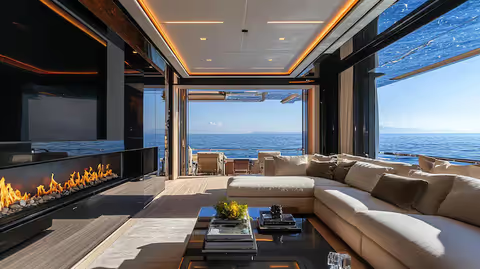
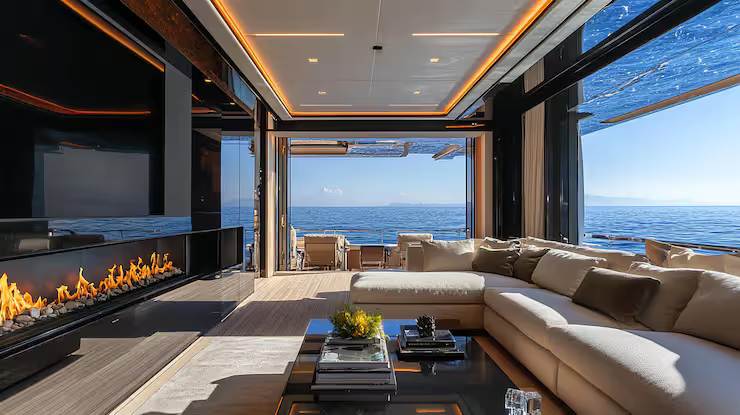
Yacht interiors are designed to make efficient use of available space while providing comfort and functionality. Common areas include lounges, dining spaces, cabins, bathrooms, and galleys, which are the onboard kitchens.
Materials and furniture are selected with the marine environment in mind. Moisture, salt exposure, vibration, and movement can affect interior finishes and equipment, so durability is an important design consideration.
Storage is another essential feature. Unlike a conventional house, a yacht has limited room for clothing, luggage, food, and personal belongings. Built-in cabinets, multipurpose furniture, and carefully organized storage help keep living spaces comfortable.
Good lighting, ventilation, and temperature control also contribute to the onboard experience. Because cabins and passageways may be compact, practical layouts can be just as important as decorative details.
Cabins and Private Accommodation
Cabins provide sleeping and personal spaces for owners, guests, or crew members. Their number, dimensions, and arrangement depend on the yacht's size and intended use.
Some yachts include a primary owner's suite, guest cabins, private bathrooms, and separate crew quarters. Larger vessels may offer more separation between social areas and private accommodation.
Privacy should be considered when selecting a yacht for a particular group. The number of people aboard, the length of the voyage, and the availability of bathrooms and storage can influence comfort during extended stays.
Outdoor Decks and Leisure Areas
Outdoor decks are an important part of yacht living because they provide access to fresh air, coastal views, and open-air activities. Depending on the design, a yacht may have sunbathing areas, shaded seating, outdoor dining spaces, or platforms for entering the water.
Some vessels also carry equipment for swimming, snorkeling, paddleboarding, or other permitted water activities. The available equipment depends on the vessel and its operating arrangements.
Outdoor spaces need to remain safe in changing conditions. Wet surfaces, vessel movement, strong winds, and limited visibility can create hazards. Guests should follow crew instructions and use designated areas appropriately.
Daily Life on a Luxury Yacht
Daily routines aboard a yacht are influenced by the itinerary, weather, operating requirements, and preferences of the people aboard.
A typical day may begin with breakfast in the galley or an outdoor dining area. Guests might spend time exploring a coastal destination, swimming where conditions permit, or relaxing on deck. Meals, rest periods, and evening activities are planned around the vessel's schedule.
On longer voyages, daily life includes additional practical considerations. Freshwater use, food supplies, laundry, waste storage, equipment checks, and energy consumption require attention. Weather changes can also affect planned activities or departure times.
Professional crew members may coordinate navigation, maintenance, meals, housekeeping, and guest arrangements, depending on their roles. On smaller vessels, owners may take responsibility for several of these activities themselves.
A flexible routine is important because conditions at sea are not always predictable. The ability to adjust plans is part of the experience of spending time on the water.
Types of Yachts for Different Lifestyles
Motor yachts use engines for propulsion and are often selected by people who prioritize powered travel, onboard accommodation, and access to multiple coastal destinations. Their range and performance depend on the vessel's design, fuel capacity, engine configuration, and operating conditions.
Sailing yachts use sails as a primary means of propulsion, although many also have engines for maneuvering and travel when wind conditions are unsuitable. They may appeal to people interested in sailing skills and a more wind-dependent form of maritime travel.
Explorer yachts are designed with features intended to support longer journeys and operation in a wider range of conditions, subject to their specific specifications and certifications. They may have additional storage, extended range, and equipment for remote destinations.
Catamarans have two hulls and can provide a different balance of interior space, stability characteristics, and deck layout compared with many single-hull yachts. Their suitability depends on the planned activities, sailing conditions, and individual design.
Choosing among these yacht types requires consideration of intended destinations, travel distance, guest capacity, operational requirements, and the experience of the people responsible for the vessel.
Destinations and the Yacht Lifestyle
Yacht living allows travelers to explore coastal regions and islands while changing their surroundings during a journey. Popular yacht destinations include the Mediterranean, the Caribbean, the Indian Ocean, and selected coastal areas of Southeast Asia.
Mediterranean itineraries may combine historic ports, coastal villages, and established marinas. Caribbean routes can include island landscapes, beaches, and sheltered anchorages. Indian Ocean destinations offer opportunities to experience tropical coastlines and marine environments.
Each region has different weather patterns, navigation requirements, entry procedures, and maritime regulations. Some anchorages have limited facilities, while others provide access to marinas, provisioning, and shore-based services.
Travel planning should account for seasonal weather, local restrictions, protected marine areas, and the distance between safe stopping points. International voyages may also require advance planning for immigration, customs, vessel documentation, and permitted activities.
Responsible yacht travel includes respecting local communities, protecting marine habitats, and following rules governing anchoring, wildlife interactions, and waste disposal.
Maintenance and Operational Responsibilities
Luxury yachts require regular maintenance because marine environments expose equipment and structures to saltwater, moisture, sunlight, and continuous movement.
Maintenance may involve checking engines, electrical systems, navigation equipment, safety devices, plumbing, ventilation, and onboard appliances. Hull inspections, corrosion prevention, and servicing of mechanical components are also important.
The maintenance schedule depends on the yacht's design, age, usage, and manufacturer requirements. Keeping service records helps owners and operators track inspections, identify recurring problems, and plan necessary work.
Operational planning also involves managing fuel, freshwater, food supplies, waste systems, and spare parts. Extended journeys may require additional provisions and contingency planning because replacement equipment or specialist assistance may not be immediately available.
These responsibilities are essential even when a professional crew manages the vessel. Owners should understand the yacht's maintenance arrangements, operating limits, and readiness for the intended journey.
Safety and Comfort at Sea
Safety is a central part of luxury yacht living. Before departure, the vessel should be appropriately equipped, maintained, and operated by people with the necessary training and qualifications.
Safety equipment may include life jackets, communication devices, navigation systems, fire protection equipment, first-aid supplies, and emergency signaling devices. The exact requirements depend on the vessel, its operating area, and applicable regulations.
Weather forecasts and sea conditions should be reviewed before and during a voyage. Strong winds, waves, restricted visibility, and sudden weather changes can affect route selection and onboard activities.
Guests should understand emergency instructions, know where safety equipment is located, and follow crew directions. Alcohol or distractions should never interfere with safe vessel operation.
Comfort also depends on practical preparation. Appropriate clothing, sun protection, hydration, medication planning, and awareness of motion sickness can make time at sea more manageable.
Conclusion
Luxury yacht living brings together accommodation, travel, recreation, and maritime responsibilities in a distinctive environment. Interior design, cabins, outdoor decks, and onboard amenities contribute to comfort, while yacht type and destination influence the overall experience.
At the same time, successful yacht living requires attention to safety, maintenance, navigation, weather, supplies, and environmental responsibility. Understanding these practical requirements provides a more realistic picture of life aboard a yacht.
Whether used for occasional coastal trips or extended voyages, a yacht should be selected according to its intended purpose, operational capabilities, and the needs of the people aboard. Balancing comfort with responsible planning helps make the experience more enjoyable and sustainable over time.