An island vacation can be very different from a typical city or road trip. Islands often combine beaches, natural landscapes, marine environments, local communities, and slower-paced travel. However, a successful island trip requires more planning than simply choosing a beautiful destination.
Transportation schedules, weather conditions, seasonal changes, accommodation locations, local customs, and available activities can all affect the experience. Some islands are ideal for relaxation, while others are better suited to hiking, wildlife observation, water activities, cultural exploration, or adventure travel.
This island travel guide explains the key factors to consider before and during an island trip. Whether you are planning a short getaway or a longer holiday, understanding these basics can help you make practical decisions and avoid common travel problems.
How to Choose the Right Island Destination
The best island destination depends on what you want to experience. Islands vary considerably in landscape, accessibility, climate, infrastructure, and activities.
Start by identifying your main travel interests. If relaxation is the priority, look for destinations with accessible beaches, comfortable accommodation areas, and convenient transportation. Travelers interested in nature may prefer islands with forests, mountains, coral reefs, protected areas, or wildlife habitats.
For cultural experiences, consider islands known for traditional communities, historic settlements, regional cuisine, festivals, architecture, or museums. Adventure-oriented travelers may look for hiking trails, snorkeling areas, diving locations, kayaking opportunities, cycling routes, or other outdoor activities.
It is also useful to consider the length of your trip. A smaller island may be easier to explore during a short stay, while larger islands can provide greater variety but may require more transportation time.
Understanding Island Weather and Travel Seasons
Weather can have a significant effect on island travel. Coastal destinations may experience seasonal rainfall, strong winds, tropical storms, changing sea conditions, or temperature variations.
Before traveling, research the typical weather during your planned travel period. Look beyond average temperatures and consider rainfall patterns, humidity, daylight hours, and ocean conditions.
Peak travel periods can coincide with favorable weather, school holidays, or major local events. These periods may also mean busier transportation and accommodation areas. Shoulder seasons can sometimes provide a different travel experience, but conditions should be checked carefully before making arrangements.
Weather information is particularly important for travelers planning outdoor activities. Boat journeys, snorkeling, diving, hiking, and other activities can be affected by wind, waves, rain, or reduced visibility.
Planning Transportation to and Around the Island
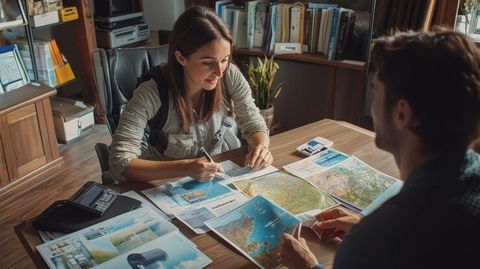
Transportation is one of the most important parts of island travel. Depending on the destination, reaching an island may involve a combination of flights, ferries, boats, buses, trains, taxis, or rental vehicles.
Check the complete journey rather than looking only at the final destination. A flight may arrive after the last ferry departure, or a boat schedule may operate less frequently on certain days.
Once you arrive, understand how transportation works locally. Some islands have reliable public transportation, while others are easier to explore with a rental vehicle, bicycle, organized excursion, or local taxi.
Allow additional time when connecting between different forms of transportation. Island schedules can sometimes be affected by weather and sea conditions, so having flexibility can make the journey less stressful.
Choosing Accommodation Carefully
Where you stay can influence how much time you spend traveling each day. An accommodation located near a major beach may be convenient for beach activities but farther from hiking areas or cultural attractions.
Consider the location in relation to your planned activities. Look at access to restaurants, transportation, grocery stores, beaches, medical facilities, and other practical services.
It is also helpful to understand the island's geography. A destination that appears close on a map may require considerable travel because of mountainous terrain, limited roads, or water crossings.
For longer trips, dividing your stay between two areas can sometimes provide broader experiences. However, changing accommodation also takes time, so it should be balanced against the length of the trip.
Island Activities and Nature Experiences
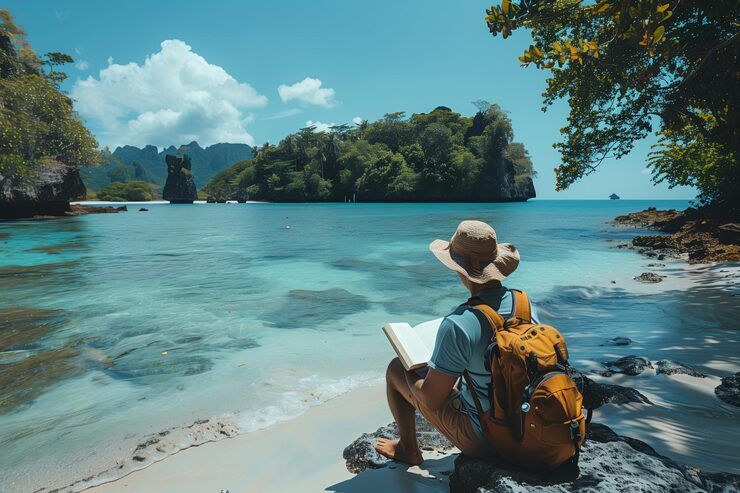
Island destinations often provide opportunities to experience nature directly. Beaches, coastal trails, forests, lagoons, reefs, waterfalls, and wildlife areas can be major attractions.
Water-based activities may include swimming, snorkeling, kayaking, paddleboarding, sailing, and diving. Conditions vary by location and season, so travelers should follow local guidance and use appropriate safety equipment.
Land-based activities can include hiking, cycling, photography, birdwatching, cultural walks, and visits to historic sites. You do not need to fill every day with activities. Leaving some unscheduled time can make an island trip more comfortable and allow you to explore at a slower pace.
When visiting natural areas, follow designated paths and local environmental rules. Avoid disturbing wildlife, damaging plants or coral, and leaving waste behind. Responsible behavior helps protect the destination for residents and future travelers.
Food, Culture, and Local Experiences
Island travel is also an opportunity to learn about local culture. Food can be one of the easiest ways to understand a region's history and environment.
Try local dishes when appropriate and learn about common ingredients, preparation methods, and dining customs. Seafood may be important in coastal communities, while agricultural islands may have distinctive fruits, vegetables, spices, or traditional products.
Respect local customs, particularly when visiting villages, religious sites, cultural landmarks, or community events. Clothing expectations, photography rules, greetings, and public behavior can differ from what travelers are accustomed to.
Learning a few basic local phrases can also make everyday interactions easier and demonstrate respect for the community.
What to Pack for an Island Trip
Packing for an island destination should focus on practicality rather than quantity. Lightweight clothing is generally useful in warm climates, while a light jacket or rain layer can help in changing weather.
Consider packing:
- Comfortable walking shoes
- Weather-appropriate clothing
- Sun protection
- A reusable water bottle
- Swimwear where appropriate
- Basic personal medications and health items
- Waterproof protection for electronics
- Identification and essential travel documents
- A small day bag for excursions
If you plan to hike, dive, snorkel, or participate in another specialized activity, check whether equipment is available locally or whether you need to bring your own.
Common Island Travel Mistakes to Avoid
One common mistake is planning an itinerary that is too ambitious. Island travel often involves slower transportation and fewer alternatives than travel in major cities.
Another mistake is ignoring seasonal conditions. A destination may look very different depending on weather, ocean conditions, and local travel patterns.
Travelers should also avoid relying entirely on digital access. Some remote islands have limited mobile coverage or internet connectivity. Keeping important information available offline can be useful.
Finally, avoid assuming every island has the same infrastructure as a large mainland destination. Plan ahead for transportation, essential supplies, communication, and access to important facilities.
Frequently Asked Questions
What is the best time to visit an island?
The best time depends on the destination and your planned activities. Research seasonal weather, rainfall, ocean conditions, local events, and travel patterns before choosing dates.
How many days are enough for an island trip?
A short trip may be enough for one primary area, while larger islands or multi-island itineraries require more time. The ideal duration depends on transportation and the number of activities you want to include.
What should I consider when choosing an island?
Consider climate, accessibility, transportation, accommodation locations, activities, local culture, natural attractions, and the amount of infrastructure available.
Is island travel suitable for families?
Many islands can work well for families, but suitability depends on transportation, accommodation, medical facilities, activities, and local conditions. Families should consider travel times and activity requirements when planning.
How can I travel responsibly on an island?
Respect local communities, follow environmental rules, minimize waste, avoid disturbing wildlife, stay on designated trails, and follow guidance for marine and protected areas.
Conclusion
Island travel offers opportunities to experience beaches, nature, culture, outdoor activities, and slower-paced destinations. A well-planned trip begins with choosing an island that matches your interests and understanding its climate, transportation network, geography, and local customs.
Rather than trying to see everything, focus on a manageable itinerary with enough flexibility for weather and transportation changes. Prepare practical essentials, respect the local environment and community, and leave room for spontaneous exploration. With thoughtful planning, an island journey can become a comfortable and meaningful travel experience.