African safaris offer an opportunity to observe wildlife in natural habitats, explore remarkable landscapes, and learn about the ecosystems that support some of the world's most recognizable animals. From open savannas and grasslands to wetlands, deserts, and wooded reserves, Africa provides a wide range of safari experiences for different travel interests.
The best African safari depends on what a traveler wants to experience. Some visitors prioritize seeing elephants, lions, giraffes, and other large mammals. Others are interested in birdwatching, photography, guided nature walks, cultural experiences, or quieter wilderness destinations.
Countries such as Kenya, Tanzania, South Africa, Botswana, Namibia, Zambia, and Zimbabwe offer distinct wildlife environments and safari styles. Each destination has its own combination of national parks, conservation areas, accommodation options, and seasonal conditions.
Planning a safari involves more than choosing a country. Understanding wildlife viewing opportunities, travel seasons, transportation, conservation practices, and safety requirements can help travelers select an experience that suits their interests and expectations.
What Makes an African Safari Special?
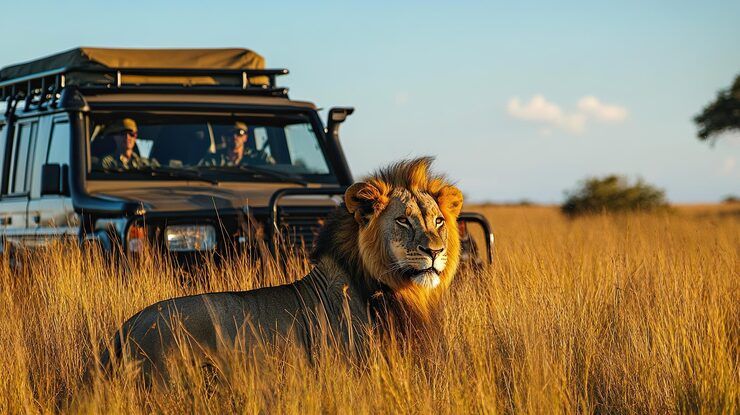
An African safari typically involves exploring a protected natural area or wildlife reserve with the guidance of trained professionals. Visitors may travel in a safari vehicle, observe animals from designated viewing areas, or participate in guided walking activities where permitted.
The experience changes with the landscape. In savanna ecosystems, travelers may see grazing animals and predators moving across open grasslands. Wetland environments can support large concentrations of birds, hippos, and elephants, while desert regions offer opportunities to observe wildlife adapted to dry conditions.
Safari experiences also provide insight into ecological relationships. Predators, herbivores, insects, plants, and water sources all contribute to the balance of an ecosystem. Guides can explain animal behavior, seasonal migration, habitat protection, and the challenges facing wildlife populations.
However, wildlife sightings are never guaranteed. Animals move freely, and their visibility depends on weather, habitat, season, and natural behavior. A rewarding safari includes appreciating the wider environment rather than measuring success only by the number of animals seen.
Best African Safari Destinations
Kenya: Classic Savanna Wildlife
Kenya is widely associated with traditional savanna safaris, particularly in the Maasai Mara National Reserve. Its grasslands support lions, elephants, giraffes, zebras, wildebeest, and numerous other species.
The Maasai Mara is part of a larger ecosystem connected to Tanzania's Serengeti. Seasonal movements of wildebeest and other grazing animals make this region especially interesting for wildlife enthusiasts. The timing and location of migration activity vary from year to year.
Kenya also offers other wildlife destinations, including Amboseli National Park, known for its elephant populations and views toward Mount Kilimanjaro when conditions allow.
Kenya may suit travelers seeking classic game drives, open landscapes, wildlife photography, and opportunities to learn about community-based conservation.
Tanzania: Vast Wilderness and Wildlife Migration
Tanzania is another major safari destination, with extensive protected landscapes and diverse wildlife habitats. Serengeti National Park is known for its large herbivore populations and predator activity, while the Ngorongoro Conservation Area includes a remarkable volcanic caldera that supports a variety of wildlife.
The Serengeti is particularly associated with the annual movement of wildebeest and zebras across the ecosystem. Different stages of this migration occur in different locations throughout the year, so travelers should choose their itinerary according to the wildlife activity they hope to observe.
Tarangire National Park is also notable for elephants and distinctive baobab trees. Tanzania offers a combination of open plains, woodland habitats, and crater landscapes, making it suitable for travelers interested in varied scenery and extended wildlife exploration.
South Africa: Accessible Parks and Diverse Experiences
South Africa provides several safari options, including Kruger National Park and surrounding private reserves. These areas support a wide variety of mammals, birds, and reptiles.
Kruger is known for its extensive road network, established visitor infrastructure, and opportunities for self-drive trips in permitted areas. Guided game drives are also available through approved operators and accommodation providers.
South Africa may appeal to travelers who want to combine wildlife viewing with cities, coastal destinations, or other regional attractions. However, travel times between destinations can be substantial, so a realistic itinerary is important.
The country also offers a range of accommodation styles, from public camps to private safari lodges, allowing travelers to choose according to their preferences and practical requirements.
Botswana: Wetlands and Remote Wilderness
Botswana is known for its conservation areas and distinctive wildlife environments. The Okavango Delta is a major inland wetland where seasonal flooding creates channels, islands, and habitats for many species.
Depending on water levels and local conditions, safari activities may include game drives, boat excursions, or guided mokoro trips in suitable areas. These experiences provide different perspectives on the landscape and its wildlife.
Chobe National Park is particularly known for elephants, while other protected areas offer opportunities to observe predators, antelope, and diverse birdlife.
Botswana can be suitable for travelers seeking wilderness-focused experiences and varied safari activities. Remote locations may require additional flights or carefully coordinated transfers, so logistics should be considered before booking.
Namibia: Desert Landscapes and Adapted Wildlife
Namibia offers a different kind of safari, combining dry landscapes, desert environments, and protected wildlife areas. Etosha National Park is known for its salt pan and waterholes, where animals may gather depending on the season and availability of water.
Travelers may observe elephants, giraffes, zebras, antelope, lions, and numerous bird species. Namibia's arid regions also support wildlife adapted to limited water and sparse vegetation.
The country's scenery makes it especially interesting for landscape photography and travelers who want to combine wildlife viewing with desert exploration.
Distances between destinations can be long, and some routes involve gravel roads or remote areas. Planning suitable transportation, checking road conditions, and allowing enough travel time are important.
When Is the Best Time to Go on an African Safari?
The best time for an African safari depends on the destination, local climate, and type of wildlife experience desired. Many southern and eastern African safari regions have distinct wet and dry periods, but seasonal patterns differ between countries and ecosystems.
During drier periods, vegetation may become less dense, and animals can be easier to spot around remaining water sources. However, these conditions vary by location, and wildlife movement still depends on food availability, rainfall, and other natural factors.
Wet seasons often bring greener landscapes, newborn animals in some regions, and increased bird activity. They may also create muddy roads, heavier rainfall, or changes to access in certain areas.
For travelers interested in the Great Migration, timing is especially important. The herds move through different parts of the Serengeti and Maasai Mara ecosystem throughout the year. River crossings occur only when conditions and animal movement align, so no operator can guarantee a particular crossing.
Before choosing travel dates, research seasonal conditions for the exact park or reserve rather than relying on a general claim that one month is best for all African safaris.
Types of African Safari Experiences
Guided game drives: These trips use suitable safari vehicles to explore wildlife areas with a trained guide. They are a common option for first-time safari travelers.
Self-drive safaris: In designated parks, visitors may explore approved roads independently. This approach offers flexibility but requires careful driving, route planning, and strict adherence to wildlife regulations.
Walking safaris: Where permitted, guided walks provide a closer understanding of animal tracks, plants, insects, and smaller ecological details. They require following the guide's instructions and respecting activity restrictions.
Photography safaris: These experiences may focus on wildlife behavior, lighting, and photography opportunities. Appropriate equipment, patience, and respect for animal space are important.
Birdwatching safaris: Many African ecosystems support a wide range of resident and migratory birds. These trips may appeal to travelers interested in species identification and habitat diversity.
The most suitable safari depends on fitness, experience, interests, accessibility needs, and the activities allowed in the chosen destination.
How to Plan an African Safari
Start by identifying your main priorities. Decide whether you want to focus on large mammals, migration, birds, landscapes, photography, or a combination of experiences. Then compare destinations based on wildlife habitats, seasonal conditions, travel connections, and available activities.
Consider the time required to reach each park. An itinerary that includes too many destinations may involve long transfers and leave little time for wildlife viewing. Spending several nights in one region can allow for a more relaxed experience.
Review accommodation location, transport arrangements, meals, park access, guide qualifications, and what is included in the itinerary. Confirm whether transfers are by road or aircraft and check baggage restrictions when small aircraft are involved.
Travelers should also review entry requirements, passport validity, appropriate vaccinations, and health precautions for their destination with qualified medical professionals or relevant official authorities. Requirements can vary by country and itinerary.
Finally, plan for changing weather, limited mobile connectivity in remote areas, and the possibility that wildlife sightings may differ from expectations.
Responsible Wildlife Tourism and Safari Safety
Responsible safari travel prioritizes wildlife welfare, habitat conservation, and respect for local communities. Visitors should choose operators that follow park rules, maintain appropriate distances from animals, and avoid activities that cause unnecessary disturbance.
Never feed wildlife, attempt to attract animals for photographs, or pressure a guide to approach an animal too closely. In vehicles and on foot, follow the guide's instructions and remain within designated areas.
Conservation-oriented tourism can contribute to protected-area management and local livelihoods, although the benefits vary by location and operator. Travelers can ask how a tourism business supports conservation and whether it works respectfully with nearby communities.
Safety is equally important. Wildlife is unpredictable, even when animals appear calm. Follow vehicle rules, secure belongings, use appropriate sun protection, and comply with guidance about insects, water, and outdoor activities.
Conclusion
The best African safaris offer more than opportunities to see famous animals. They introduce travelers to diverse ecosystems, changing landscapes, and the conservation efforts that help protect wildlife.
Kenya and Tanzania are well known for savanna wildlife and migration, South Africa offers established safari infrastructure, Botswana provides wetland and wilderness experiences, and Namibia combines wildlife viewing with distinctive desert scenery.
Choosing the right safari requires matching the destination, season, activities, and travel arrangements to personal interests. By planning carefully, following wildlife guidelines, and keeping realistic expectations, travelers can enjoy a meaningful experience while respecting the natural environments and communities that make African safaris distinctive.