Cooking equipment is one of the most important parts of every kitchen, whether it is used at home, in restaurants, or in large commercial food preparation facilities. The right equipment makes cooking safer, more efficient, and more enjoyable while helping prepare meals with consistent quality. From basic utensils used every day to modern appliances designed for convenience, cooking equipment has evolved to meet changing lifestyles and food preparation needs.
Today, kitchens are becoming smarter, more energy-efficient, and easier to organize. People are looking for equipment that saves time, reduces waste, and supports healthier cooking methods. Understanding the purpose and proper use of different cooking tools helps users choose equipment that fits their cooking habits and kitchen space.
This guide explains cooking equipment in simple language, covering its importance, common types, recent trends, maintenance practices, and practical information that helps users make informed decisions.
Understanding Cooking Equipment and Its Purpose
Cooking equipment includes all tools, utensils, appliances, and cookware used to prepare, cook, bake, steam, fry, roast, grill, or store food during the cooking process. Every piece of equipment serves a specific function, making different cooking techniques easier and more effective.
Traditional kitchens mainly relied on manual cookware and utensils, while modern kitchens combine classic tools with electrical appliances that automate many cooking tasks. Despite technological improvements, the main purpose remains the same: preparing food safely and efficiently while maintaining taste and nutrition.
The selection of cooking equipment often depends on the type of cuisine, family size, cooking frequency, available kitchen space, and preferred cooking style.
Why Cooking Equipment Matters in Modern Kitchens
Cooking equipment plays a major role in improving both the cooking experience and food quality. Proper equipment allows ingredients to cook evenly, reduces preparation time, and helps maintain hygiene throughout the cooking process.
A well-equipped kitchen also encourages healthier meal preparation. Steamers, air fryers, and non-stick cookware allow cooking with less oil, while food processors reduce manual effort during chopping and mixing. Equipment designed for accurate temperature control also improves consistency in recipes.
Safety is another important reason cooking equipment matters. Heat-resistant handles, stable cookware, insulated gloves, and proper storage tools reduce the risk of burns, spills, and food contamination.
Modern cooking equipment also supports sustainability through energy-efficient appliances and durable cookware that lasts longer with proper care.
Different Types of Cooking Equipment Used in Kitchens
Cooking equipment can be grouped into several categories based on its purpose and functionality.
Cookware for Heat-Based Cooking
Cookware is designed to withstand direct heat and is available in various materials depending on cooking needs.
Pots are commonly used for boiling, soups, curries, pasta, and stews. Saucepans are suitable for sauces, milk, and smaller portions of food. Frying pans are used for sautéing, shallow frying, and everyday cooking. Deep pans or woks support stir-frying and cooking foods that require higher temperatures.
Grill pans and roasting trays help prepare vegetables, meats, and baked dishes using oven or stovetop cooking methods.
Kitchen Utensils for Food Preparation
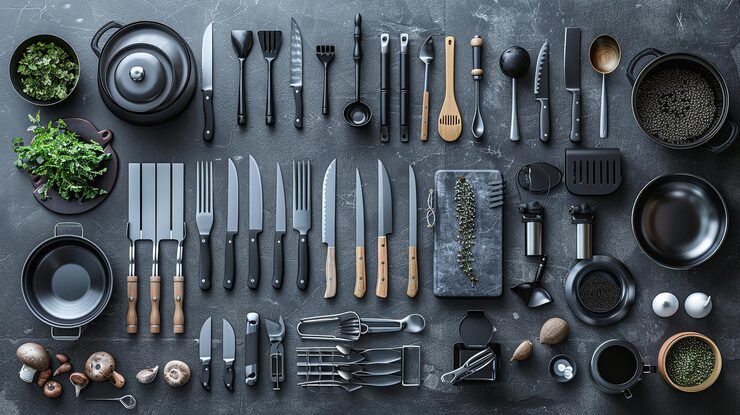
Utensils assist with preparing ingredients before and during cooking. Common examples include spatulas, ladles, tongs, whisks, peelers, graters, measuring spoons, measuring cups, mixing bowls, rolling pins, and cutting boards.
These tools improve precision and make cooking easier by reducing manual effort during preparation.
Small Kitchen Appliances
Small appliances automate repetitive cooking tasks and increase efficiency.
Blenders prepare smoothies, soups, and sauces. Food processors chop, slice, and mix ingredients quickly. Mixers help prepare dough and batter. Rice cookers automate rice preparation, while electric kettles boil water efficiently.
Toasters, sandwich makers, and pressure cookers also fall into this category and simplify everyday cooking.
Baking Equipment
Baking requires specialized equipment for preparing bread, cakes, cookies, and pastries.
Baking trays, cake tins, cooling racks, pastry brushes, silicone molds, and measuring tools help achieve accurate baking results.
Storage and Serving Equipment
Food storage containers preserve freshness and reduce waste. Glass containers, airtight boxes, insulated food carriers, serving bowls, trays, and utensils support safe storage and meal presentation.
Common Materials Used in Cooking Equipment
The material of cooking equipment affects durability, heat distribution, maintenance, and cooking performance.
Stainless steel is one of the most widely used materials because it is durable, resistant to rust, and suitable for many cooking methods. It distributes heat evenly when combined with quality construction.
Cast iron retains heat exceptionally well and is ideal for slow cooking, roasting, and frying. It requires seasoning and proper maintenance to prevent rust.
Aluminum cookware is lightweight and heats quickly, making it useful for everyday cooking. Many products include protective coatings for improved durability.
Copper cookware offers excellent heat conductivity and precise temperature control. It is commonly used in professional kitchens for specialized cooking.
Ceramic and non-stick cookware reduce food sticking and require less oil during cooking, making them popular for healthy cooking routines.
Glass cookware is commonly used for baking and oven cooking because it allows users to monitor food while cooking.
How Cooking Equipment Supports Different Cooking Methods
Different cooking methods require different equipment to achieve the best results.
Boiling requires pots and saucepans that distribute heat evenly. Frying uses frying pans, skillets, and deep cookware designed to handle higher temperatures.
Steaming requires steamers, pressure cookers, or steaming baskets that preserve nutrients and moisture. Baking uses ovens and baking dishes capable of maintaining consistent temperatures.
Grilling requires grill pans or outdoor grills that create high heat and distinctive cooking textures. Roasting uses oven-safe cookware that allows ingredients to cook evenly over longer periods.
Slow cooking relies on heavy cookware or electric slow cookers that maintain low temperatures for several hours.
Each cooking method benefits from equipment specifically designed for temperature control and food texture.
Choosing Cooking Equipment for Everyday Use
Selecting cooking equipment depends on personal cooking habits rather than simply having more tools.
A practical kitchen usually includes versatile cookware suitable for multiple recipes instead of specialized equipment used only occasionally. Users who cook daily often prioritize durability, easy cleaning, and heat efficiency.
Kitchen size also influences equipment selection. Compact kitchens benefit from multi-purpose appliances and stackable cookware that saves storage space.
Compatibility with induction, gas, or electric cooktops should also be considered before choosing cookware.
Quality materials and ergonomic designs often provide better long-term usability than decorative appearance alone.
Recent Trends in Cooking Equipment During 2025–2026
Kitchen equipment continues evolving with changing cooking habits and technological improvements.
Smart kitchen appliances have become more common during 2025 and 2026. Many devices now include programmable cooking settings, digital temperature controls, timers, and connectivity features that simplify meal preparation.
Energy-efficient appliances are also gaining popularity as households look for ways to reduce electricity consumption. Improved insulation, faster heating systems, and automatic shut-off features contribute to greater efficiency.
Multi-functional appliances have become increasingly popular because they combine several cooking methods into one device. Many appliances now support steaming, pressure cooking, slow cooking, sautéing, and warming within a single unit.
Sustainable cooking equipment has also become a growing trend. Manufacturers are focusing on recyclable materials, long-lasting cookware, and environmentally friendly coatings that reduce waste and extend product lifespan.
Minimalist kitchen designs have influenced equipment styles as well, with compact appliances and modular storage solutions becoming more common in modern kitchens.
Benefits of Using the Right Cooking Equipment
The right cooking equipment improves both cooking quality and kitchen efficiency.
Proper cookware distributes heat more evenly, helping ingredients cook consistently without burning. Accurate cooking tools improve recipe precision and reduce food waste caused by incorrect measurements.
Modern equipment reduces preparation time through automation while making repetitive kitchen tasks less physically demanding.
Well-designed equipment also contributes to kitchen safety through heat-resistant materials, stable handles, and improved grip during cooking.
Durable equipment often lasts for many years when maintained correctly, making it a reliable part of everyday cooking routines.
Cleaning and Maintaining Cooking Equipment
Regular maintenance helps cooking equipment perform efficiently and increases its lifespan.
Cookware should be cleaned after every use using methods suitable for its material. Stainless steel benefits from gentle cleaning without abrasive materials that may damage its surface. Cast iron should be dried immediately after washing and lightly seasoned with cooking oil to maintain its protective layer.
Non-stick cookware should be cleaned with soft sponges to protect its coating. Wooden utensils should be washed gently and dried completely before storage to prevent moisture damage.
Electrical appliances require special care. Components should be unplugged before cleaning, removable parts washed separately, and motor units wiped with a damp cloth rather than immersed in water.
Proper storage also protects cooking equipment. Hanging utensils, organizing cookware with separators, and storing appliances in dry spaces help prevent scratches, rust, and unnecessary wear.
Kitchen Safety While Using Cooking Equipment
Safe handling of cooking equipment is essential for preventing accidents.
Always use cookware that matches the size of the cooking surface to maintain stability. Heat-resistant gloves help protect hands when handling hot cookware from ovens or stovetops.
Sharp utensils and knives should remain clean and properly stored when not in use. Electrical appliances should be kept away from water sources during operation.
Cooking equipment with damaged cords, cracked handles, or loose parts should be repaired or replaced before further use to reduce safety risks.
Maintaining clean cooking surfaces and equipment also helps prevent cross-contamination during food preparation.
Cooking Equipment for Home Kitchens and Commercial Kitchens
Home kitchens and commercial kitchens often use similar types of equipment but differ in scale and durability.
Home cooking equipment is designed for everyday household meal preparation and usually prioritizes convenience, compact size, and ease of storage.
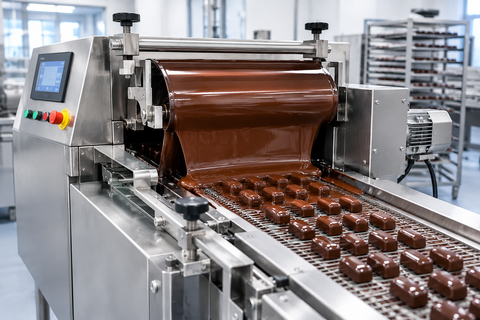
Commercial cooking equipment is built for frequent, high-volume cooking and is typically made from heavier materials that withstand continuous use. Restaurants, hotels, bakeries, cafeterias, and catering businesses often use larger ovens, industrial mixers, commercial fryers, steamers, and food preparation equipment designed for efficiency.
Although commercial equipment offers greater capacity, many cooking principles remain the same across both environments.
The Future of Cooking Equipment
Cooking equipment is expected to become more intelligent, connected, and environmentally conscious over the coming years.
Artificial intelligence is gradually being introduced into smart kitchen appliances that automatically adjust cooking temperature and timing based on food type. Sensors capable of monitoring moisture, heat, and cooking progress are becoming increasingly advanced.
Compact multi-functional equipment is also expected to continue growing as urban kitchens become smaller. Manufacturers are investing in materials that improve durability while reducing environmental impact through recyclable components and energy-efficient production.
Health-focused cooking equipment will likely remain an important area of innovation, supporting cooking methods that preserve nutrients while reducing oil and energy consumption.
Conclusion
Cooking equipment is much more than a collection of kitchen tools. It forms the foundation of safe, efficient, and enjoyable food preparation in homes and professional kitchens alike. Understanding the purpose of different cookware, utensils, appliances, and storage equipment helps users create a kitchen that supports their cooking needs while improving food quality and safety.
As kitchen technology continues to evolve in 2026, cooking equipment is becoming smarter, more energy-efficient, and easier to maintain. Whether preparing simple everyday meals or experimenting with new recipes, choosing appropriate equipment and caring for it properly helps create better cooking results and extends the life of valuable kitchen tools.
Frequently Asked Questions
What is cooking equipment?
Cooking equipment includes cookware, utensils, appliances, and tools used to prepare, cook, bake, steam, fry, roast, grill, and store food in a kitchen.
Which cooking equipment is essential for a beginner kitchen?
A beginner kitchen typically benefits from basic cookware such as pots, pans, knives, cutting boards, measuring tools, mixing bowls, spatulas, and a few essential small appliances depending on cooking habits.
What material is commonly used for cooking equipment?
Common materials include stainless steel, cast iron, aluminum, copper, ceramic, glass, silicone, and non-stick coated surfaces, each offering different cooking and maintenance characteristics.
How can cooking equipment last longer?
Regular cleaning, proper drying, correct storage, and following manufacturer care instructions help extend the lifespan of cookware, utensils, and kitchen appliances.
Why is choosing the right cooking equipment important?
The right cooking equipment improves cooking efficiency, supports food safety, enhances recipe consistency, reduces preparation time, and helps achieve better cooking results for different types of meals.