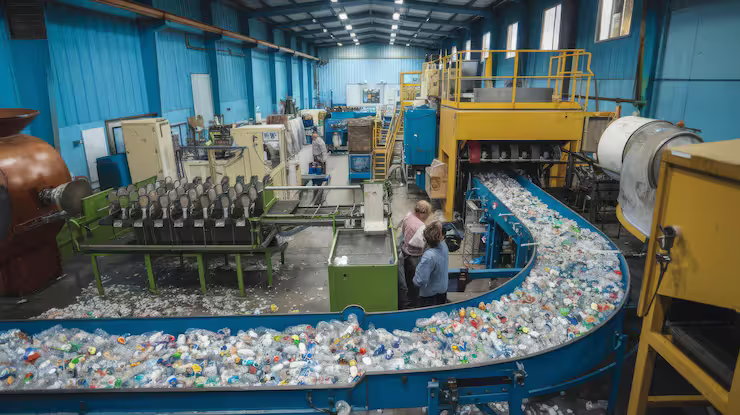
Plastic waste has become one of the most significant environmental challenges around the world. As industries and households continue to use plastic in everyday products, managing plastic waste responsibly has become increasingly important. Instead of sending used plastic to landfills, recycling helps transform discarded plastic into valuable raw material that can be used again in manufacturing.
Plastic recycling machines play a central role in this process. They are designed to collect, clean, process, and convert waste plastic into reusable material through a series of mechanical operations. These machines help industries reduce waste, conserve resources, and support a circular economy where materials remain in use for longer.
This guide explains plastic recycling machines in simple language, covering how they work, their major types, applications, benefits, maintenance, recent developments, and future trends.
What Are Plastic Recycling Machines?
Plastic recycling machines are industrial systems that process discarded plastic into reusable forms such as flakes, pellets, or granules. Instead of manufacturing new plastic entirely from raw petroleum-based materials, recycling machines recover existing plastic and prepare it for new production cycles.
A complete recycling system usually includes several interconnected machines. Each machine performs a specific task, beginning with sorting and cleaning plastic waste and ending with producing recycled plastic that manufacturers can use in products, packaging, construction materials, automotive parts, and many other applications.
These machines can process various plastic materials, including polyethylene (PE), polypropylene (PP), polyethylene terephthalate (PET), high-density polyethylene (HDPE), low-density polyethylene (LDPE), and other commonly recycled polymers.
Why Plastic Recycling Machines Are Important Today
Growing plastic consumption has increased the need for efficient recycling infrastructure. Millions of tons of plastic waste are generated every year, creating pressure on waste management systems and natural ecosystems. Recycling machines provide a practical solution by converting waste into useful resources.
They reduce the amount of plastic reaching landfills and water bodies while helping industries recover valuable materials from discarded products. Recycling also decreases the demand for virgin plastic production, reducing energy consumption and conserving fossil resources.
Governments, municipalities, manufacturers, packaging companies, and recycling facilities increasingly rely on these machines to meet sustainability goals and improve waste management efficiency.
How Plastic Recycling Machines Work
Plastic recycling follows a systematic workflow where waste plastic moves through several processing stages before becoming reusable material.
Collection and Sorting
The process begins with collecting plastic waste from households, industries, commercial establishments, and recycling centers. Since different plastics have different chemical properties, sorting is an essential step. Plastic items are separated by polymer type, color, thickness, and contamination level to ensure consistent recycling quality.
Cleaning and Washing
Collected plastic often contains labels, dirt, adhesives, oils, food residue, or dust. Washing systems remove these contaminants using water, detergents, friction cleaning, and drying equipment. Proper cleaning improves the quality of recycled plastic and reduces impurities during melting.
Shredding and Size Reduction
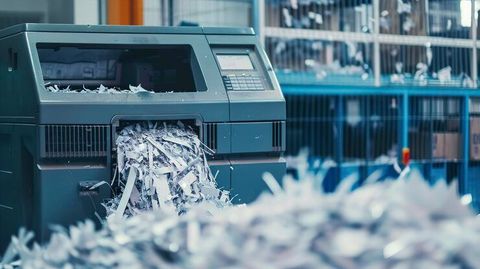
Large plastic products such as bottles, containers, films, pipes, or packaging are cut into smaller pieces using shredders or crushers. Smaller pieces are easier to wash, transport, melt, and process in later stages.
Melting and Extrusion
Clean plastic flakes enter an extruder where controlled heat melts the plastic. The molten material is filtered to remove remaining contaminants before being pushed through dies into continuous strands.
Pelletizing
The extruded strands are cooled and cut into small pellets or granules. These recycled pellets become raw material for manufacturing new plastic products through molding, extrusion, or injection processes.
Main Types of Plastic Recycling Machines
Different recycling operations require different equipment depending on plastic type, production volume, and desired output quality.
Plastic Shredding Machines
Plastic shredders reduce bulky waste into smaller pieces before further processing. They are commonly used for bottles, drums, containers, pipes, crates, and plastic furniture. Different blade configurations allow shredding of soft and rigid plastics efficiently.
Plastic Crusher Machines
Crusher machines produce smaller plastic flakes from already sorted plastic items. Compared to shredders, crushers usually create more uniform particle sizes suitable for washing and extrusion systems.
Plastic Washing Machines
Washing machines remove contaminants through soaking, friction washing, hot washing, rinsing, and drying stages. They are particularly important for food packaging, bottles, agricultural films, and household plastic waste.
Plastic Extrusion Machines
Extrusion machines melt cleaned plastic flakes and transform them into continuous molten strands. Temperature control, filtration, and screw design influence the quality of recycled material produced.
Plastic Pelletizing Machines
Pelletizers convert molten plastic into standardized pellets. Uniform pellet size improves storage, transportation, and manufacturing consistency in downstream production processes.
Complete Plastic Recycling Plants
Large recycling facilities combine conveyors, shredders, washing units, dryers, extruders, pelletizers, and storage systems into one integrated production line capable of processing significant volumes of plastic waste continuously.
Different Types of Plastics Processed
Plastic recycling machines are designed to process multiple categories of recyclable plastics.
Plastic Type | Common Sources |
PET | Beverage bottles, food containers, packaging trays. |
HDPE | Milk containers, detergent bottles, industrial containers, pipes. |
LDPE | Plastic bags, agricultural films, shrink wrap, flexible packaging. |
PP | Food containers, caps, automotive parts, woven bags. |
PVC | Pipes, window frames, cable insulation, construction materials. |
PS | Packaging foam, disposable containers, protective packaging. |
Proper sorting ensures plastics with different melting temperatures and chemical compositions are processed correctly.
Applications of Plastic Recycling Machines
Plastic recycling machines support waste management and manufacturing across many industries.
Packaging Industry
Recycled plastic pellets are used in bottles, containers, packaging films, trays, and protective packaging materials after suitable processing.
Construction Industry
Construction companies use recycled plastic in pipes, insulation materials, composite boards, flooring products, roofing components, and outdoor furniture.
Automotive Manufacturing
Recycled plastics help manufacture dashboards, interior panels, battery housings, cable covers, wheel arch liners, and various lightweight automotive components.
Agriculture
Agricultural recycling includes greenhouse films, irrigation pipes, mulch films, storage containers, and reusable plastic crates.
Consumer Goods Manufacturing
Manufacturers use recycled plastic for household products, storage bins, furniture, toys, gardening equipment, office supplies, and reusable containers.
Benefits of Plastic Recycling Machines
Plastic recycling machines provide environmental, economic, and industrial advantages by improving resource recovery and waste utilization.
Environmental Benefits
Recycling reduces landfill waste, minimizes plastic pollution, conserves natural resources, and lowers greenhouse gas emissions associated with producing virgin plastic materials.
Resource Conservation
Recycled plastic helps reduce dependence on petroleum-based raw materials while keeping valuable polymers in circulation for longer production cycles.
Waste Management Efficiency
Municipal recycling facilities process large quantities of plastic more efficiently through automated sorting, washing, shredding, and pelletizing operations.
Manufacturing Support
Industries gain access to recycled plastic raw materials suitable for producing a wide range of products while reducing material waste generated during manufacturing.
Circular Economy Contribution
Plastic recycling machines support a circular production model where plastic waste becomes input material for new manufacturing instead of being discarded permanently.
Key Components of a Plastic Recycling System
A complete recycling plant contains several interconnected components working together throughout the recycling process.
Feed conveyors transport collected plastic into processing equipment. Sorting systems separate materials based on polymer type or contamination level. Shredders and crushers reduce plastic size for easier handling. Washing tanks remove dirt and unwanted materials. Friction washers improve cleaning quality. Dryers eliminate moisture before melting. Extruders melt plastic flakes into molten material, while filtration systems remove impurities. Pelletizers produce consistent recycled pellets ready for storage or manufacturing.
Automation systems monitor temperatures, conveyor speed, motor performance, material flow, and production efficiency throughout the recycling line.
Factors That Affect Recycling Quality
The quality of recycled plastic depends on multiple processing factors.
Proper sorting is essential because mixing incompatible plastics can reduce recycled material quality. Thorough washing removes contaminants that may affect melting or product appearance. Moisture removal prevents defects during extrusion and pelletizing.
Temperature control is also important because excessive heat may degrade plastic polymers, while insufficient heat can create inconsistent melting. Filtration removes residual contaminants that remain after washing.
Consistent machine maintenance also helps maintain product quality and operational efficiency.
Maintenance Practices for Plastic Recycling Machines
Routine maintenance helps recycling equipment operate safely and efficiently over long production periods.
Operators inspect cutting blades for wear because sharp blades improve shredding efficiency. Bearings, motors, and gearboxes require lubrication according to maintenance schedules. Washing systems need regular cleaning to prevent residue buildup inside tanks and pipelines.
Extruder screws and barrels should be inspected for wear caused by continuous plastic processing. Filters require timely replacement or cleaning to maintain material purity. Electrical systems, sensors, and conveyor components should also be checked regularly for reliable operation.
Preventive maintenance reduces unexpected downtime and extends equipment lifespan.
Recent Developments in Plastic Recycling Technology (2025–2026)
Plastic recycling technology has continued evolving during the past year, focusing on automation, efficiency, and higher-quality recycled materials.
Advanced optical sorting systems now identify plastic types more accurately using sensors and artificial intelligence. Automated robotics assist in separating recyclable plastics from mixed waste streams with improved consistency.
Energy-efficient extrusion systems reduce electricity consumption during melting and pellet production. Improved filtration technologies remove smaller contaminants from recycled plastic, helping manufacturers produce higher-quality pellets suitable for demanding applications.
Many recycling facilities are also integrating digital monitoring systems that track machine performance, maintenance schedules, production output, and energy usage in real time.
Another important development is the expansion of chemical recycling research alongside traditional mechanical recycling. While mechanical recycling remains the most widely used industrial process, chemical recycling technologies continue developing for plastics that are difficult to recycle mechanically.
Challenges in Plastic Recycling
Despite significant improvements, plastic recycling still faces several challenges.
Mixed plastic waste is difficult to process because different polymers require different recycling conditions. Contaminated plastic increases cleaning costs and affects recycled material quality.
Flexible packaging, multilayer plastics, and composite materials remain more challenging to recycle than single-material plastics. Collection systems also vary across regions, affecting the availability of clean recyclable material.
Maintaining consistent recycled pellet quality requires careful sorting, cleaning, processing, and quality control throughout the recycling operation.
Future Trends of Plastic Recycling Machines
The future of plastic recycling machines is closely connected with automation, sustainability, and smarter waste management systems.
Artificial intelligence is expected to improve plastic identification and sorting accuracy further. Robotics will increasingly automate material handling and separation tasks. Energy-efficient motors and optimized extrusion technologies will help reduce power consumption.
Digital monitoring platforms will provide predictive maintenance alerts, production analytics, and remote equipment management. Recycling plants are also expected to process a broader variety of plastics while producing higher-quality recycled materials suitable for advanced manufacturing applications.
As governments and industries continue supporting circular economy initiatives, recycling infrastructure is likely to become more automated, efficient, and environmentally responsible.
Conclusion
Plastic recycling machines are essential technologies for transforming plastic waste into reusable industrial material. By combining sorting, washing, shredding, extrusion, and pelletizing processes, these machines help reduce waste, conserve resources, and support sustainable manufacturing.
From packaging and construction to automotive and consumer goods, recycled plastic has become an important raw material across many industries. Modern recycling systems continue improving through automation, smart monitoring, advanced sorting, and energy-efficient processing technologies.
Understanding how plastic recycling machines work helps businesses, manufacturers, students, and environmental professionals recognize their role in building a more sustainable and resource-efficient future. As recycling technologies continue advancing in 2026 and beyond, plastic recycling machines will remain a key part of global waste management and circular production systems.
Frequently Asked Questions
What is a plastic recycling machine used for?
A plastic recycling machine processes discarded plastic waste into reusable materials such as flakes, pellets, or granules that can be used in manufacturing new plastic products.
Which plastics can plastic recycling machines recycle?
Most machines can recycle common plastics such as PET, HDPE, LDPE, PP, PVC, and polystyrene, depending on the recycling system and processing method.
What is the difference between shredding and pelletizing?
Shredding reduces plastic into smaller pieces for cleaning and processing, while pelletizing converts melted plastic into uniform pellets used as raw material in manufacturing.
Why is washing important before recycling plastic?
Washing removes dirt, labels, adhesives, food residue, oils, and other contaminants that could reduce the quality of recycled plastic during melting and extrusion.
How do plastic recycling machines support sustainability?
They reduce plastic waste sent to landfills, conserve natural resources, lower the demand for virgin plastic production, and help create a circular economy where plastic materials are reused instead of discarded.