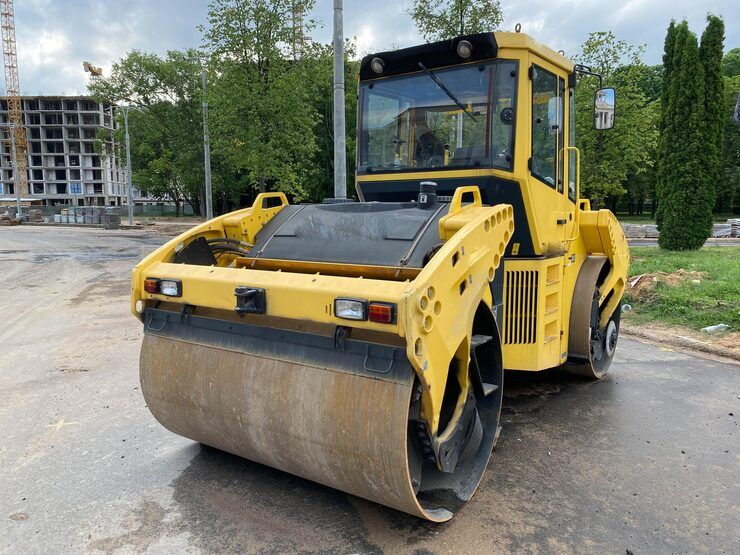
Road rollers are one of the most important machines used in road construction and infrastructure development. They are designed to compact soil, gravel, asphalt, and other construction materials to create a stable and durable surface. Whether it is a highway, city road, airport runway, parking area, or industrial site, road rollers help improve the strength and longevity of the finished surface.
Compaction is an essential step in construction because loose materials contain air pockets that reduce stability. A road roller applies pressure and vibration to remove these air gaps, making the surface denser and stronger. This process improves load-bearing capacity and reduces the chances of cracks, potholes, and uneven settlement over time.
Today, road rollers are used in projects of all sizes, from small residential driveways to large transportation infrastructure projects. Modern machines combine weight, vibration, and advanced controls to achieve consistent compaction while improving efficiency and reducing fuel consumption.
Why Road Rollers Are Important in Modern Infrastructure
Road construction requires a strong foundation before traffic can safely use the surface. Road rollers ensure that every layer of the road, from the soil base to the final asphalt layer, is compacted correctly. Proper compaction helps roads withstand heavy vehicles, changing weather conditions, and long-term usage.
The importance of road rollers extends beyond highways. They are widely used in railway construction, dams, industrial facilities, ports, sports grounds, and landscaping projects. Any construction project requiring a stable ground surface benefits from effective compaction.
As countries continue investing in transportation networks, urban development, and smart infrastructure, road rollers remain a key part of construction equipment fleets. Advances in machine technology have also made them more precise, safer, and environmentally efficient.
How a Road Roller Works
A road roller works by applying compressive force to construction materials. The machine's heavy drum or tires press down on the surface while moving slowly across the work area. Depending on the type of roller, vibration systems may also create high-frequency impacts that improve compaction depth.
The working process begins after construction materials are spread evenly across the ground. The roller travels over the material in overlapping passes to ensure uniform density. Operators adjust vibration intensity, travel speed, and the number of passes based on the material being compacted.
For asphalt paving, rollers are used while the asphalt is still at the correct temperature. Timely compaction helps create a smooth, durable surface with fewer voids. For soil and aggregate layers, vibration helps particles settle into a tighter arrangement, increasing structural stability.
Modern road rollers often include intelligent compaction systems that monitor surface stiffness, vibration frequency, and compaction progress, helping operators achieve more consistent results.
Different Types of Road Rollers
Different construction materials require different compaction methods. As a result, several types of road rollers are designed for specific applications and ground conditions.
Smooth Drum Rollers
Smooth drum rollers are among the most common machines used in road construction. They feature one or two large steel drums that provide even pressure across asphalt and granular materials. These rollers are commonly used for finishing asphalt surfaces and compacting base layers.
Vibratory Rollers
Vibratory rollers use internal rotating weights to generate vibration while the drum contacts the surface. The combination of weight and vibration improves compaction efficiency, especially for gravel, crushed stone, and asphalt. They are widely used in highway and airport construction.
Pneumatic Tire Rollers
Instead of steel drums, pneumatic tire rollers use multiple rubber tires. The flexible tires provide a kneading action that seals asphalt surfaces and compacts cohesive materials effectively. They are often used after vibratory rollers during asphalt paving.
Padfoot Rollers
Padfoot rollers feature drums with raised pads or lugs that penetrate cohesive soils such as clay and silt. These rollers are commonly used during earthworks, embankment construction, and foundation preparation.
Combination Rollers
Combination rollers use a steel drum on one axle and pneumatic tires on the other. This design provides both vibration and surface sealing, making them suitable for finishing asphalt projects.
Common Applications of Road Rollers
Road rollers are used across a wide range of construction environments because different projects require compact, stable surfaces.
Construction Area | Purpose of Compaction |
| Highway construction | Compact base layers and asphalt for durable roads. |
| Urban road development | Create smooth roads for residential and commercial traffic. |
| Airport runways | Achieve high-density surfaces capable of supporting aircraft loads. |
| Industrial zones | Compact loading areas, warehouses, and logistics facilities. |
| Railway infrastructure | Stabilize ground around railway tracks and service roads. |
| Dams and embankments | Increase soil strength and reduce future settlement. |
| Landscaping projects | Prepare parks, sports fields, and recreational surfaces. |
Each application requires different roller sizes, vibration settings, and compaction strategies depending on the material and project requirements.
Materials That Road Rollers Can Compact
Road rollers are designed to compact multiple construction materials rather than only asphalt. Understanding material characteristics helps determine the appropriate roller type and compaction method.
Granular materials such as gravel, crushed stone, and sand respond well to vibratory compaction because vibration helps particles settle into a dense structure.
Cohesive soils like clay and silt require kneading or padfoot action to remove moisture pockets and increase density.
Hot asphalt mixtures require carefully timed rolling to achieve smoothness, density, and proper bonding before cooling.
Stabilized materials, including cement-treated or lime-treated soil, also require controlled compaction to achieve structural performance.
Matching the roller to the material improves surface quality and reduces unnecessary machine passes.
Benefits of Proper Road Compaction
Effective road compaction provides long-term structural benefits for transportation infrastructure. Roads with proper density generally experience fewer maintenance issues and improved durability.
Compaction increases the load-bearing capacity of roads, allowing them to handle heavy commercial traffic more effectively. It reduces water infiltration, minimizing erosion and weakening of the pavement structure. Proper compaction also creates smoother driving surfaces that improve ride comfort and reduce tire wear.
For construction teams, consistent compaction improves project quality, reduces material waste, and helps achieve engineering specifications more efficiently. It also contributes to longer pavement life, reducing the need for frequent repairs.
Features of Modern Road Rollers
Road roller technology has evolved significantly with improvements in operator comfort, machine control, and construction accuracy.
Modern machines often include intelligent vibration systems that automatically adjust vibration frequency based on surface conditions. GPS-enabled compaction mapping allows operators to track completed areas and avoid missed sections.
Digital displays provide information about drum vibration, travel speed, fuel usage, and machine diagnostics. Enclosed operator cabins improve visibility, reduce noise exposure, and provide climate control during long working hours.
Many models also include automatic water spray systems for asphalt compaction, preventing asphalt from sticking to steel drums while maintaining surface quality.
These features help improve productivity while supporting consistent construction standards.
Factors That Affect Compaction Quality
Several conditions influence how effectively a road roller compacts construction materials. Simply increasing machine weight does not always produce better results.
Material moisture content plays a major role. Soil that is too dry or too wet becomes difficult to compact efficiently. Layer thickness also matters because excessively thick layers prevent vibration from reaching lower sections.
Rolling speed affects density. Moving too quickly may reduce compaction effectiveness, while extremely slow movement can reduce productivity.
Temperature is especially important during asphalt paving. Asphalt must be compacted within a suitable temperature range before it cools excessively.
The number of overlapping passes also influences final density. Construction teams typically follow engineering specifications to ensure uniform compaction across the entire surface.
Road Roller Safety During Construction
Road rollers are powerful machines that require trained operation and safe work practices. Construction sites often involve multiple vehicles, workers, and changing ground conditions.
Operators should inspect the machine before each shift, checking brakes, steering, hydraulic systems, tires, drums, and warning devices. Seat belts and rollover protection systems improve operator safety during uneven terrain operation.
Maintaining clear communication with ground workers helps prevent accidents in busy construction zones. Proper visibility is especially important when reversing or working near excavations.
Construction sites also establish exclusion zones around operating rollers to reduce risks for nearby workers and equipment.
Maintenance for Reliable Performance
Regular maintenance helps road rollers operate efficiently throughout construction projects and reduces unexpected downtime.
Daily inspections include checking engine oil, coolant, hydraulic fluid, and fuel levels. Drums should be cleaned regularly to prevent asphalt buildup, while vibration systems require periodic inspection for wear.
Air filters, lubrication points, hydraulic hoses, and electrical connections also need scheduled maintenance according to manufacturer recommendations.
Proper tire pressure is essential for pneumatic tire rollers because uneven pressure affects compaction quality.
Routine maintenance not only improves machine reliability but also helps maintain consistent compaction performance across different job sites.
Choosing the Right Road Roller for a Project
Selecting a road roller depends on the construction material, project size, and required compaction depth rather than choosing the heaviest machine available.
Small urban construction projects may use compact tandem rollers for narrow streets and pathways. Large highway projects often combine vibratory rollers and pneumatic tire rollers for different paving stages.
Earthwork projects involving clay soils typically require padfoot rollers, while parking lots and industrial surfaces often use smooth drum or combination rollers.
Contractors also consider maneuverability, drum width, vibration capability, operating environment, and surface finish requirements when selecting equipment for a project.
Matching machine capabilities with project needs improves efficiency and construction quality.
Recent Road Roller Trends in 2026
The road construction industry has continued adopting smarter and more sustainable compaction technologies during the past year.
Intelligent compaction systems are becoming more common on infrastructure projects. These systems collect real-time compaction data, helping operators achieve target density while reducing unnecessary passes.
Electric and hybrid road rollers are gradually expanding into urban construction projects where reducing emissions and noise is becoming increasingly important.
Telematics platforms now allow fleet managers to monitor machine location, operating hours, fuel consumption, maintenance schedules, and productivity remotely.
Manufacturers are also improving fuel efficiency through optimized hydraulic systems and automatic engine management technologies.
Safety improvements include 360-degree camera systems, proximity sensors, improved lighting, and enhanced visibility features designed for busy construction environments.
These developments reflect the industry's growing focus on productivity, environmental responsibility, and data-driven construction management.
The Future of Road Rollers in Infrastructure Development
Road rollers continue evolving alongside modern infrastructure requirements. As cities expand and transportation networks become more complex, construction projects increasingly depend on precise compaction and digital monitoring technologies.
Future road rollers are expected to integrate more automation, artificial intelligence, and machine connectivity. Intelligent systems may further assist operators by identifying under-compacted areas, optimizing vibration settings automatically, and generating digital compaction reports for quality assurance.
Sustainability is also expected to remain a major focus through cleaner power systems, lower emissions, quieter operation, and more efficient fuel management.
Although the core purpose of a road roller remains the same, creating strong, stable, and long-lasting surfaces, the technology supporting that goal continues improving to meet the demands of modern construction.
Conclusion
Road rollers are essential machines that help build durable roads, highways, airports, industrial facilities, and many other infrastructure projects. By compacting soil, aggregates, and asphalt, they create stable surfaces capable of supporting long-term traffic and structural loads.
Understanding the different types of road rollers, how they work, and where each machine is used helps explain why compaction is one of the most important stages in construction. Modern features such as intelligent compaction, telematics, improved safety systems, and energy-efficient designs are making road rollers more productive and environmentally responsible.
As infrastructure development continues worldwide, road rollers will remain a critical part of construction equipment, helping engineers and contractors build stronger, smoother, and more reliable transportation networks for the future.