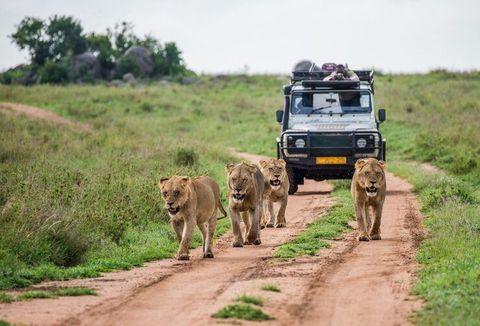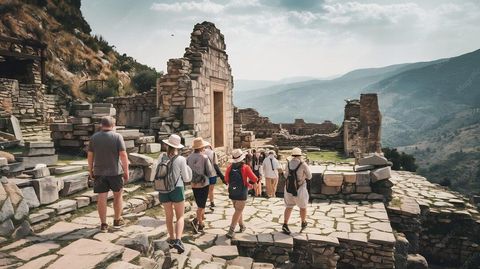
A self-drive road trip is one of the most flexible and rewarding ways to travel. Instead of following fixed schedules or depending on public transport, you control your route, pace, and stops along the journey. Whether driving through mountains, coastal highways, forests, villages, or cities, a road trip allows you to experience destinations beyond the usual tourist attractions.
In recent years, self-drive travel has become increasingly popular because travelers value freedom, privacy, and personalized experiences. Families, couples, solo travelers, and groups of friends all choose road trips for different reasons, from exploring nearby destinations over a weekend to completing long-distance journeys across states or countries.
A successful road trip is about much more than simply driving from one location to another. Good planning, vehicle preparation, safety awareness, and smart travel habits make the journey enjoyable while reducing unexpected challenges. This guide explains everything you need to know before, during, and after a self-drive road trip.
What Is a Self-Drive Road Trip?
A self-drive road trip is a journey where travelers drive their own vehicle or a rented vehicle instead of using a driver or organized transportation. The focus is on independent travel, allowing people to choose their preferred destinations, travel times, sightseeing stops, and overnight stays.
Unlike guided tours, self-drive trips provide complete flexibility. Travelers can spend more time at places they enjoy, take scenic detours, discover hidden attractions, and adjust plans based on weather or personal preferences.
Road trips can range from short day drives to extended vacations lasting several weeks. They may include highways, countryside roads, mountain routes, coastal drives, or national park circuits depending on the destination and travel goals.
Why Self-Drive Road Trips Are Popular Today
Road trips have evolved into a preferred travel style because they combine transportation and exploration into a single experience. Instead of viewing travel as time spent reaching a destination, the journey itself becomes part of the adventure.
Modern navigation technology, improved road infrastructure, and better travel information have made self-driving easier for many travelers. Digital maps help drivers find routes, fuel stations, accommodation, restaurants, and emergency services along the way.
Self-drive travel also offers privacy and comfort. Travelers can carry personal belongings conveniently, stop whenever needed, listen to their preferred music, enjoy local food at roadside locations, and travel according to their own schedule.
The growing interest in nature tourism, weekend getaways, camping, photography, and scenic driving routes has further increased the popularity of road trips.
How to Plan a Self-Drive Road Trip
Planning is one of the most important parts of a successful road trip. A well-planned itinerary reduces stress while leaving enough flexibility for spontaneous experiences.
Start by choosing a destination that matches the available travel time. Consider driving distance, road conditions, weather, and seasonal travel patterns before finalizing the route.
Research the main attractions, viewpoints, parks, historical sites, and local experiences along the route. Instead of driving continuously for long hours, identify comfortable stopping points where you can rest, eat, or explore nearby places.
Estimate daily driving time realistically. Long hours behind the wheel can lead to fatigue, so include breaks every few hours. If the trip spans multiple days, plan overnight stops before darkness whenever possible.
Checking weather forecasts before departure helps prepare for rain, snow, heat, fog, or strong winds that may affect driving conditions.
Preparing Your Vehicle Before the Journey
A road trip depends heavily on the reliability of the vehicle. Performing a complete inspection before departure helps reduce the chance of breakdowns during travel.
Check engine oil, coolant, brake fluid, windshield washer fluid, and tire pressure. Tires should have sufficient tread depth and include a properly inflated spare tire. Lights, indicators, wipers, and brakes should all function correctly before starting the trip.
Battery health is especially important for long journeys, particularly in extreme weather conditions. Keeping emergency tools inside the vehicle ensures you're prepared for unexpected situations.
Clean windows and mirrors improve visibility, while organizing luggage properly prevents items from moving during sudden braking or sharp turns.
If driving a rental vehicle, inspect its condition carefully before leaving and become familiar with its controls, fuel type, and emergency equipment.
Essential Items to Pack for a Road Trip
Packing wisely improves both safety and comfort throughout the journey. The goal is to carry useful items without overcrowding the vehicle.
Important travel documents such as a driver's license, vehicle registration, insurance papers, identification, and emergency contact information should remain easily accessible.
Comfort items like reusable water bottles, snacks, sunglasses, charging cables, phone mounts, power banks, travel pillows, blankets, and rain protection make long drives more enjoyable.
A basic first-aid kit should include bandages, antiseptic supplies, personal medications, and other essential medical items appropriate for the travelers.
Navigation devices or offline maps become valuable when traveling through remote areas with limited internet connectivity.
Driving Safely During a Road Trip
Safe driving is the foundation of every successful road trip. Even experienced drivers benefit from adopting careful driving habits during long-distance travel.
Follow speed limits, traffic rules, and local road signs throughout the journey. Road conditions may change unexpectedly due to weather, construction, wildlife crossings, or heavy traffic.
Avoid driving continuously for extended periods without rest. Fatigue affects concentration, reaction time, and decision-making. Short breaks for stretching, hydration, and fresh air help drivers stay alert.
Maintain a safe following distance from other vehicles, especially during rain or poor visibility. Defensive driving becomes particularly important on unfamiliar roads or mountain routes.
Night driving requires extra attention because visibility decreases and driver fatigue often increases. When possible, complete major driving distances during daylight hours.
Choosing Scenic Routes Instead of the Fastest Route
One of the biggest advantages of self-drive travel is the freedom to choose scenic roads rather than simply selecting the shortest travel time.
Scenic routes often pass through forests, rivers, mountains, lakes, vineyards, villages, deserts, or coastal landscapes that are inaccessible through major highways. These roads provide opportunities for photography, local food experiences, cultural exploration, and nature walks.
However, scenic roads may have narrower lanes, fewer services, or changing weather conditions. Planning fuel stops and checking road accessibility before entering remote routes is important.
Balancing scenic experiences with realistic travel time creates a more enjoyable itinerary without unnecessary driving pressure.
Budgeting for a Self-Drive Journey
Budget planning helps travelers manage expenses throughout the trip while avoiding unexpected financial stress.
Consider fuel consumption, toll roads, parking charges, accommodation, meals, sightseeing tickets, and vehicle maintenance before beginning the trip. Estimating daily travel expenses makes it easier to adjust plans during longer journeys.
Choosing accommodations near planned routes reduces unnecessary driving. Packing some food and reusable water bottles can also reduce frequent roadside purchases while minimizing waste.
Keeping a small emergency budget provides flexibility if weather changes, routes close, or vehicle repairs become necessary.
Sustainable Road Trip Practices
Responsible road travel helps protect natural environments and local communities.
Reduce unnecessary engine idling, dispose of waste properly, and use reusable bottles and containers whenever possible. Respect wildlife habitats, national park rules, and environmentally sensitive areas during the journey.
Support local businesses, restaurants, markets, and community attractions instead of relying only on large commercial stops. This helps local economies while providing more authentic travel experiences.
Stay on designated roads and parking areas to avoid damaging natural landscapes or protected environments.
Sustainable travel also includes conserving water, reducing plastic waste, and respecting cultural traditions in different destinations.
Common Challenges and How to Handle Them
Even well-planned road trips can face unexpected situations. Preparing mentally for small challenges makes travel less stressful.
Weather changes may require route adjustments or temporary delays. Construction work can increase travel time, while traffic congestion may require alternate routes.
Vehicle issues such as low tire pressure, battery problems, or warning lights should be addressed promptly instead of continuing to drive without inspection.
Poor network coverage in remote regions makes offline navigation useful. Informing family members about major travel plans also improves safety during long-distance trips.
Staying flexible allows travelers to adapt without letting unexpected changes affect the overall experience.
Best Seasons for Self-Drive Road Trips
The ideal season depends on the destination and landscape you want to explore.
Spring is popular for pleasant temperatures, blooming landscapes, and comfortable driving conditions. Summer offers longer daylight hours but may bring heavy tourist traffic and higher temperatures in some regions.
Autumn attracts travelers because of colorful landscapes, moderate weather, and scenic countryside drives. Winter road trips can be beautiful in snowy or mountainous regions, but they require additional driving preparation, winter tires where necessary, and awareness of weather advisories.
Understanding seasonal road conditions helps travelers choose safer routes and appropriate clothing for the journey.
Technology That Makes Road Trips Easier
Technology has made self-drive travel more convenient and organized.
GPS navigation helps drivers find routes, alternative roads, fuel stations, parking areas, and nearby attractions. Offline maps remain useful in areas with limited mobile coverage.
Weather applications provide updates about storms, fog, or road closures before reaching affected areas. Travel planning apps help organize accommodation, attractions, and daily itineraries.
Vehicle connectivity features, dash cameras, emergency assistance systems, and hands-free communication improve convenience while encouraging safer driving practices.
Technology should assist driving rather than distract from it. Drivers should configure navigation before starting the vehicle whenever possible.
Recent Trends in Self-Drive Road Trips
Self-drive travel has continued evolving over the past year as travelers increasingly seek flexible and experience-focused vacations.
Weekend road trips to nearby destinations have become more popular than tightly scheduled itineraries. Travelers are also exploring lesser-known scenic routes instead of crowded tourist highways.
Electric vehicles are becoming more common for road trips as charging infrastructure expands in many regions. Sustainable travel planning, digital route sharing, and offline navigation tools have also become more widely adopted.
Many travelers now combine road trips with outdoor activities such as hiking, camping, cycling, photography, and cultural tourism, creating journeys centered around experiences rather than simply visiting famous landmarks.
Frequently Asked Questions
How long should a self-drive road trip be?
A road trip can last from a single day to several weeks depending on your destination, available time, and travel goals. Planning realistic daily driving distances helps keep the journey comfortable.
Is a self-drive road trip suitable for beginners?
Yes. Beginners can start with shorter routes, practice highway driving, understand navigation tools, and gradually gain confidence before attempting longer journeys.
What should I do if weather changes during a road trip?
Monitor weather updates regularly, reduce speed in poor conditions, and adjust your route or schedule if roads become unsafe.
How often should drivers take breaks?
Taking a break every few hours helps reduce fatigue, improves concentration, and makes long-distance driving safer and more comfortable.
Why are offline maps useful during road trips?
Offline maps continue working in remote locations where mobile networks are unavailable, helping drivers navigate safely without internet access.
Conclusion
Self-drive road trips transform travel into a personal journey filled with flexibility, discovery, and memorable experiences. From choosing scenic routes and preparing your vehicle to driving safely and traveling responsibly, every stage of planning contributes to a smoother and more enjoyable adventure.
A successful road trip is not measured only by the destination but also by the experiences collected along the way. Careful preparation, realistic planning, environmental awareness, and safe driving habits help travelers enjoy the freedom of the open road while minimizing unnecessary challenges. Whether exploring nearby countryside roads or embarking on a long-distance adventure, self-drive road trips remain one of the most engaging ways to experience new places at your own pace.