Sri Lanka tourism recovery refers to the process of rebuilding visitor confidence, restoring travel-related businesses, strengthening tourism infrastructure, and creating more stable opportunities for local communities. Tourism is an important part of the country's economy because it supports hotels, restaurants, transport operators, tour guides, cultural attractions, and small businesses across the island.
Sri Lanka offers a varied travel experience, from tropical beaches and wildlife reserves to historic cities, tea-growing highlands, and religious landmarks. This diversity gives the country a strong foundation for tourism development. However, the industry's performance also depends on economic conditions, transport reliability, public services, international perceptions, and the ability of businesses to respond to changing traveler expectations.
Tourism recovery is not simply about increasing the number of international arrivals. It also involves encouraging longer stays, supporting local livelihoods, maintaining service quality, protecting natural resources, and ensuring that tourism contributes to the country's wider development.
Why Tourism Matters to Sri Lanka's Economy
Tourism connects many sectors of the Sri Lankan economy. International visitors generate demand for accommodation, food, transport, recreation, shopping, and cultural experiences. Their spending can support both established tourism companies and small enterprises operating in towns, villages, and coastal communities.
Hotels and resorts employ staff in hospitality, housekeeping, food preparation, administration, and maintenance. Tour operators work with drivers, guides, activity providers, and local attractions. Restaurants, handicraft sellers, farmers, and independent transport providers may also benefit from visitor activity.
The effects extend beyond businesses that interact directly with travelers. Hotels purchase food and other supplies, while transport companies require fuel, maintenance, and related services. When tourism activity grows, these connections can create wider economic benefits.
However, the distribution of those benefits matters. Large tourism centers may recover faster than smaller destinations, and businesses with limited financial reserves may find it harder to withstand periods of weak demand. A balanced recovery therefore requires attention to local enterprises, workforce development, and tourism opportunities beyond the most familiar visitor locations.
Key Factors Behind Sri Lanka's Tourism Recovery
Economic Stability and Visitor Confidence
Economic stability influences travel decisions, business operations, and investment in tourism facilities. During periods of economic uncertainty, travelers may pay closer attention to transport reliability, access to essential services, exchange rates, and the overall ease of planning a trip.
Visitor confidence also depends on clear, consistent information. Travelers want to understand entry requirements, transport options, health precautions, local conditions, and available services before departure.
Tourism businesses can help by communicating booking conditions clearly, providing accurate travel information, and maintaining dependable customer service. Public institutions also have an important role in keeping travel guidance accessible and coordinating essential services.
Confidence develops through reliable experiences rather than advertising alone. Consistent service, transparent communication, and effective responses to problems can influence whether visitors recommend the destination or return in the future.
Infrastructure and Transport Improvements
Reliable infrastructure is central to tourism development. Airports, roads, railways, public transport, telecommunications, electricity, water supplies, and waste management all affect the visitor experience.
Sri Lanka's attractions are spread across different regions, so travel between destinations can be an important part of an itinerary. Better transport coordination and accurate journey information can help travelers plan realistic schedules and reduce uncertainty.
Accommodation providers and tourism operators also depend on dependable utilities and digital connectivity. Smaller businesses may need support in adopting online booking systems, managing customer communication, and maintaining consistent service standards.
Infrastructure improvements should consider residents as well as visitors. Reliable public transport, clean public spaces, accessible facilities, and well-maintained roads can improve everyday life while supporting tourism.
The Role of Natural and Cultural Attractions
Sri Lanka's natural and cultural diversity is a major strength in its tourism recovery. The island offers opportunities for beach holidays, wildlife observation, heritage exploration, hiking, and community-based travel.
Coastal destinations such as Galle, Mirissa, and Trincomalee attract visitors interested in beaches, maritime history, and ocean activities. Inland destinations, including Kandy and the central highlands, offer cultural landmarks, scenic landscapes, and tea-growing regions. National parks provide opportunities to observe wildlife under appropriate conservation guidelines.
These attractions encourage travelers to explore different parts of the country rather than concentrating their entire visit in one location. Longer, well-planned itineraries can spread tourism activity across a wider range of communities.
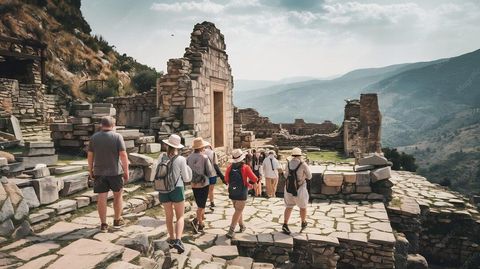
Cultural tourism also requires respect for local traditions. Visitors should follow appropriate dress and behavior guidelines at religious sites, seek permission before photographing people when appropriate, and follow instructions designed to protect historical monuments and natural habitats.
Protecting these resources is essential because the long-term appeal of Sri Lanka depends partly on preserving the environments and cultural traditions that make the destination distinctive.
Sustainable Tourism and Community Participation
Sustainable tourism is an important consideration as Sri Lanka rebuilds its visitor economy. An increase in arrivals can create employment and business opportunities, but unmanaged tourism may also place pressure on water supplies, waste systems, wildlife habitats, and local infrastructure.
Small guesthouses, family-run restaurants, local guides, craft producers, and community tourism initiatives can help distribute tourism income more widely. Visitors can support these businesses by choosing locally operated experiences and purchasing authentic products directly from responsible providers.
Environmental management is equally important. Coastal destinations need effective waste collection, while wildlife areas require responsible visitor behavior and appropriate limits on activities that disturb animals. Hotels and tour operators can contribute through water conservation, energy efficiency, and better waste management.
Community participation helps ensure that tourism development reflects local needs. When residents have opportunities to contribute to planning and benefit from visitor spending, tourism can become a more stable part of the local economy.
Challenges Facing Sri Lanka's Tourism Industry
Despite progress in rebuilding tourism activity, recovery can remain uneven. International economic conditions, regional conflicts, airline capacity, changing travel preferences, and fluctuations in household spending can influence demand.
Seasonality presents another challenge. Weather conditions vary across Sri Lanka's coastline, meaning that the most suitable time to visit one region may differ from the best period for another. Businesses must plan for changing demand while maintaining service quality throughout the year.
Smaller tourism operators may also face difficulties related to staff training, digital visibility, operating expenses, and access to reliable business services. A shortage of trained workers or inconsistent service can affect the visitor experience even when interest in the destination is strong.
Diversifying source markets, improving transport connections, strengthening workforce skills, and providing clear travel information can help the industry respond to these challenges. Monitoring visitor satisfaction and tourism earnings alongside arrival numbers also provides a more complete understanding of recovery.
What Travelers Should Consider When Planning a Visit
Travelers considering Sri Lanka should review current entry requirements, travel advisories, transport arrangements, weather conditions, and regional circumstances before departure. Conditions can change, so information should be checked close to the intended travel date.
It is helpful to plan an itinerary around realistic travel times rather than trying to visit too many destinations in a short period. Combining cultural attractions, coastal areas, and inland experiences can create a balanced trip while allowing more time in each location.
Visitors should also confirm accommodation arrangements, understand cancellation policies, and use appropriately licensed providers for activities that require specialist knowledge. Travel insurance should be reviewed to understand its coverage and exclusions.
Supporting local businesses, respecting cultural practices, and following environmental guidance can make travel more rewarding while contributing to the communities involved in Sri Lanka's tourism recovery.