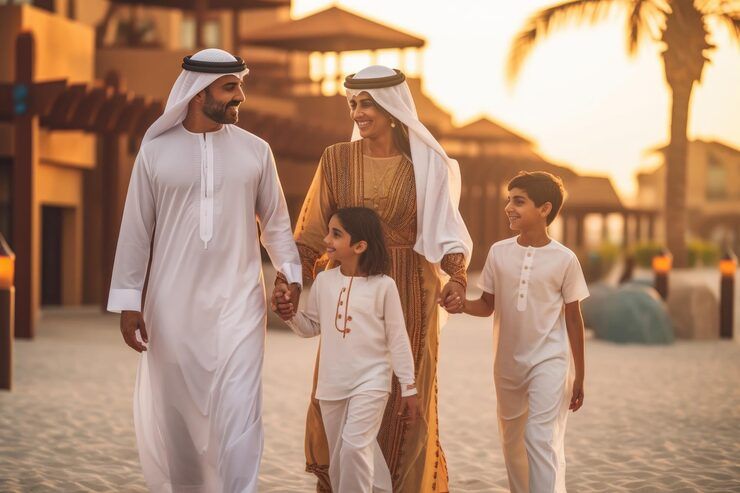
Traveling with family in Saudi Arabia can be a rewarding way to experience historic places, modern cities, natural landscapes, traditional culture, and regional cuisine. For families, however, a successful trip requires more than choosing interesting destinations. Travel schedules, weather, transportation, accommodation, children’s routines, local customs, and accessibility can all influence the experience.
Saudi Arabia is a large country with significant differences between regions. Riyadh offers a modern urban environment, Jeddah combines coastal attractions with historic areas, AlUla is known for dramatic landscapes and archaeological heritage, while destinations such as Abha provide a different climate and mountain setting. Understanding these differences can help families create a realistic itinerary rather than trying to cover too much in one trip.
This guide to family travel tips in KSA focuses on practical planning and culturally respectful travel for parents, children, and multigenerational families.
Choose Destinations According to Your Family
One of the first decisions is deciding what type of experience suits everyone. Families traveling with young children may prefer a slower itinerary with shorter journeys and activities that do not require long periods outdoors. Families with teenagers may be interested in a combination of cultural attractions, nature, entertainment, and outdoor experiences.
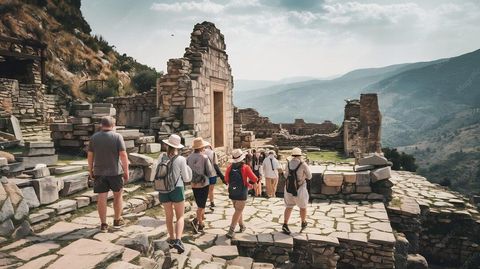
Riyadh can work well for families interested in museums, cultural sites, parks, restaurants, and modern attractions. Jeddah provides access to the Red Sea and historic districts, while AlUla is particularly suited to families interested in archaeology, landscapes, and heritage.
If grandparents are traveling with children, accessibility and walking distances become especially important. A destination may look close on a map but involve considerable walking, stairs, heat exposure, or transportation between different areas.
Instead of adding many destinations, consider choosing one or two regions and exploring them properly. This usually makes family travel less tiring and leaves more time for unexpected experiences.
Plan Around the Weather
Weather is an important consideration when traveling around Saudi Arabia. Temperatures can vary considerably by season and location, and summer conditions can make extended outdoor activities difficult, particularly for young children and older adults.
Families should check the expected weather before finalizing daily activities. Outdoor sightseeing can often be more comfortable during the morning or later in the afternoon, while indoor attractions can be scheduled during hotter parts of the day.
Clothing should also be appropriate for the local climate. Lightweight clothing can help in hot conditions, while a light outer layer may be useful in air-conditioned indoor spaces. Families visiting higher-altitude areas should also check local conditions because temperatures can differ from those in major lowland cities.
Good hydration, sun protection, breaks, and flexible schedules are particularly important when children are traveling.
Build a Realistic Family Itinerary
A common mistake in family travel is trying to see everything in a short period. Children generally need more breaks than adults, and families may take longer to move between activities.
A practical itinerary should leave space between major attractions. Instead of scheduling several demanding activities in one day, combine one main attraction with lighter activities such as a relaxed meal, a park visit, or time at the accommodation.
Travel days should also be treated differently from sightseeing days. Long road journeys or flights can be tiring, so avoid immediately scheduling a full day of activities after arrival.
A flexible itinerary is particularly useful because children may become tired, weather conditions can change, and attractions may take longer than expected.
Consider Transportation Carefully
Saudi Arabia covers a large geographic area, so transportation planning can significantly affect a family trip. In major cities, families may use taxis, ride-hailing services, private vehicles, or other available transportation options. For journeys between cities and regions, families should consider whether driving or air travel is more practical.
If traveling by road, plan regular rest stops and keep essential items accessible rather than packed away. Families with young children should pay particular attention to appropriate child-restraint arrangements and general road safety.
When using local transportation, confirm pickup locations and travel times before leaving an attraction. In unfamiliar areas, having the destination name and address available in a mobile device can make communication easier.
The best transportation choice depends on the destination, family size, luggage, children's ages, and planned activities.
Keep Children Comfortable During Sightseeing
Family travel becomes easier when children are included in the planning process. Explain the day's activities in simple terms and allow children to participate in choosing between suitable attractions.
Carry practical essentials such as water, snacks where appropriate, sun protection, necessary medicines, and a change of clothing for younger children. Families should also identify restrooms and suitable breaks when planning longer sightseeing periods.
For younger children, familiar routines can help. Maintaining reasonably consistent meal and sleep times may reduce tiredness, especially during trips involving multiple destinations.
Teenagers may appreciate having some independence within appropriate family boundaries. Giving them responsibility for researching an attraction, taking photographs, or helping navigate can make the journey more engaging.
Respect Local Culture and Customs
Understanding Saudi Arabian customs is an important part of responsible family travel. Visitors should dress respectfully and behave appropriately in public spaces and religious or heritage locations.
Families should pay attention to local guidance regarding photography. Some locations, people, government facilities, and cultural sites may have specific restrictions or expectations.
Religious sites require particular respect, and visitors should follow any instructions provided by local authorities or site staff. During religious periods such as Ramadan, families should also learn about changes to daily routines, opening hours, and public etiquette.
Teaching children these basic cultural expectations before the trip can turn cultural awareness into a natural part of the travel experience.
Explore Food With Family Needs in Mind
Food can be one of the most enjoyable parts of discovering Saudi Arabia. Families can experience traditional dishes as well as a wide range of international cuisine, particularly in larger cities.
Parents traveling with young children may want to introduce unfamiliar foods gradually. If children have allergies or specific dietary requirements, learn the relevant food terms before traveling and communicate requirements clearly when ordering.
Meal timing can also affect the itinerary. Rather than waiting until children are very hungry, plan meals and snacks around their normal routine.
Trying regional foods can become an educational part of the trip. Parents can explain ingredients, cooking methods, and the cultural background of dishes, making meals part of the overall travel experience.
Choose Family-Friendly Accommodation
Accommodation should be selected according to the needs of the entire family rather than appearance alone. Families may need connecting rooms, larger rooms, kitchen facilities, laundry access, parking, elevators, or convenient access to major attractions.
Location can be just as important as the accommodation itself. Staying closer to planned activities can reduce daily transportation time and make it easier to return for a rest during the afternoon.
For families traveling with babies or older relatives, checking accessibility, sleeping arrangements, bathroom facilities, and available services in advance can prevent avoidable difficulties.
Keep Safety and Health Practical
Basic travel preparation can make a significant difference. Families should keep important documents organized and maintain access to emergency contact information. Travel insurance and appropriate health preparations should also be considered according to individual circumstances.
Children should know what to do if they become separated from their parents in a crowded location. A simple meeting point or identification method can provide an additional layer of preparedness.
Avoiding excessive exposure to heat, maintaining hydration, following food-safety practices, and taking regular rest breaks are practical habits throughout the journey.
Make Family Travel More Meaningful
The most memorable family trips are not necessarily those with the largest number of attractions. Children often remember experiences that involve participation, discovery, and time together.
Families can combine major landmarks with simple experiences such as exploring a historic neighborhood, learning about local traditions, observing landscapes, trying regional food, or discussing the history behind an ancient site.
Allowing some unplanned time can also be valuable. It gives family members an opportunity to rest and discover places naturally rather than following a rigid schedule from morning until night.
Conclusion
Family travel in KSA becomes easier when planning focuses on the needs of the people traveling rather than simply the number of destinations visited. Choosing suitable regions, understanding weather conditions, allowing realistic travel time, selecting practical accommodation, and respecting local customs can create a more comfortable experience for everyone.
Saudi Arabia offers a wide variety of experiences, from urban attractions and historic neighborhoods to archaeological landscapes, mountains, and coastal environments. By keeping the itinerary flexible and involving children in the journey, families can explore the country at a comfortable pace while gaining a deeper understanding of its culture and places.